
Is EMS Foot Massager Safe?

The growing popularity of electrical muscle stimulation devices for home use has raised important questions about their safety. As consumers increasingly turn to devices like the EMS foot massager, portable EMS foot massager pad, and comprehensive EMS massage mat for relief and relaxation, understanding their safety profile becomes crucial. This comprehensive examination addresses safety considerations, potential risks, and evidence-based guidelines for using these technologies safely. By evaluating scientific literature, manufacturer guidelines, and medical perspectives, we can develop a nuanced understanding of how to use these devices without compromising health.
Understanding EMS Technology and Safety Mechanisms
Electrical Muscle Stimulation technology operates by delivering controlled electrical impulses to muscles through electrodes placed on the skin. These impulses mimic natural neurological signals, causing muscles to contract and relax. Modern consumer devices incorporate multiple safety features:
Intensity Controls: Allow users to adjust stimulation levels to comfortable ranges
Automatic Shut-off: Prevents prolonged use that could lead to overstimulation
Impulse Regulation: Maintains consistent electrical output within safe parameters
Quality Insulation: Protects users from electrical hazards
Despite these features, safety ultimately depends on proper usage, individual health factors, and device quality.
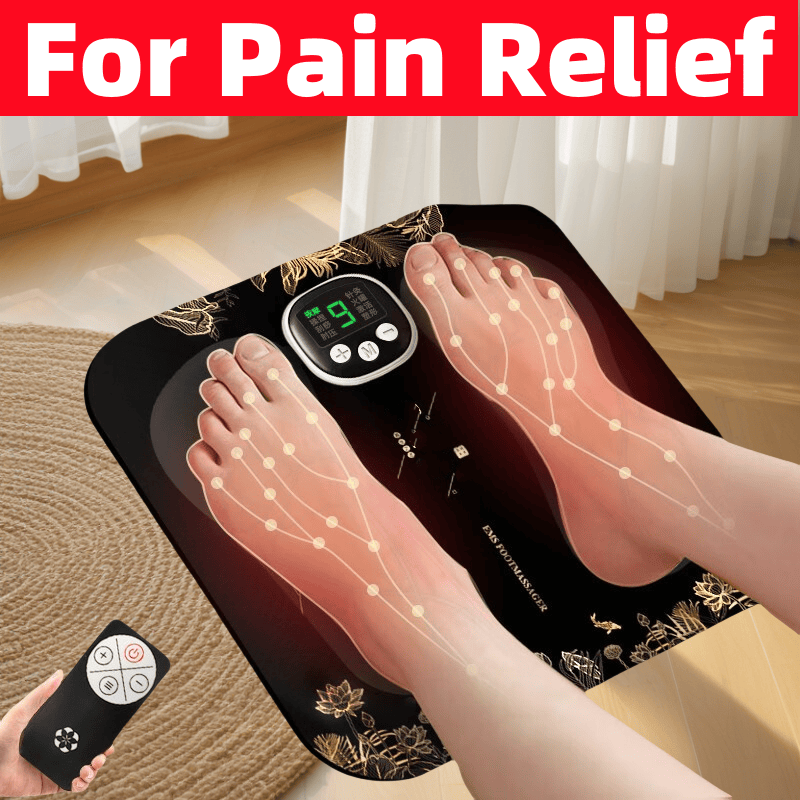
EMS Foot Massager Pad Price, Muscle Stimulator Mat
Medical Contraindications: When EMS Becomes Unsafe
The most significant safety concerns involve specific medical conditions that make EMS use potentially dangerous:
Absolute Contraindications
Do not use EMS devices if you have:
Pacemakers or Implanted Defibrillators: Electrical interference could disrupt device function
Pregnancy: Potential effects on fetal development are unknown
Epilepsy or Seizure Disorders: Stimulation might trigger seizure activity
Deep Vein Thrombosis (DVT) or Blood Clots: Muscle contractions could dislodge clots
Active Cancer in Treatment Areas: Theoretical risk of stimulating cancer spread
Relative Contraindications
Use with extreme caution and medical supervision if you have:
Cardiac Conditions: Including arrhythmias, heart failure, or recent heart attack
Sensory Disorders: Such as peripheral neuropathy where pain perception is impaired
Skin Conditions: Eczema, psoriasis, or open wounds in treatment areas
Hypertension: Particularly uncontrolled high blood pressure
Diabetes: With associated neuropathy or circulatory issues
Device-Specific Safety Considerations
Different EMS device formats present unique safety profiles:
Dedicated EMS Foot Massager
Safety advantages:
Specifically designed for foot anatomy
Typically include more sophisticated safety features
Consistent electrode placement reduces injury risk
Better quality control in established brands
Potential concerns:
Higher intensity capabilities might encourage overuse
Fixed design may not accommodate all foot shapes comfortably
Electrical components in proximity to water if used in bathrooms
EMS Foot Massager Pad
Safety considerations:
Portable designs may sacrifice some safety features
Variable electrode contact can cause uneven stimulation
Lighter construction might be more prone to damage
Quality varies significantly between manufacturers
EMS Massage Mat
Safety aspects:
Larger surface area increases importance of proper positioning
Multiple stimulation points require careful intensity management
Typically higher quality construction with better safety features
More comprehensive user manuals and guidelines
Documented Risks and Adverse Effects
While most users experience no significant issues, potential risks include:
Common Minor Issues
Skin Irritation: Redness, itching, or irritation at electrode sites
Muscle Soreness: Similar to exercise-induced soreness from overuse
Tingling Sensations: Temporary tingling that resolves after use
Headaches: Occasionally reported by sensitive individuals
Rare But Serious Concerns
Burns: Thermal injuries from malfunctioning devices or prolonged use
Muscle Damage: From excessive intensity or duration
Nerve Irritation: Temporary nerve sensitivity changes
Cardiovascular Effects: Palpitations or blood pressure changes in susceptible individuals
Evidence-Based Safety Research
Scientific literature on EMS safety reveals:
Clinical Studies
General Population: EMS is generally safe for healthy adults when used as directed
Controlled Settings: Clinical EMS devices have excellent safety records under professional supervision
Quality Correlation: Safety incidents correlate strongly with device quality and user compliance
Case Reports
Rare adverse events typically involve:
Pre-existing medical conditions
Improper device usage
Low-quality or malfunctioning equipment
Failure to follow manufacturer guidelines
Manufacturer Safety Standards and Regulations
Safety levels vary significantly based on regulatory compliance:
FDA Regulations
Class II Medical Devices: Some EMS devices are classified as medical devices requiring FDA clearance
General Wellness Products: Many consumer devices fall under less stringent regulations
Reporting Requirements: Manufacturers must report adverse events for regulated devices
International Standards
CE Marking: Indicates compliance with European safety standards
ISO Certification: International quality management standards
Electrical Safety Certifications: Such as UL or ETL listing
Quality Indicators
Look for:
FDA registration or clearance
CE marking for European markets
Reputable brand reputation
Clear safety warnings and instructions
Age Considerations and Safety
Adults
Generally safe for healthy adults 18-65
Increased caution for older adults with age-related health concerns
Regular health screenings recommended for users over 50
Adolescents
Use only under adult supervision
Shorter session durations recommended
Lower intensity settings appropriate
Children
Not recommended under age 12
Except under specific medical supervision
Different neurological development requires special consideration
Medication Interactions and Safety
Certain medications may affect EMS safety:
Blood Thinners
Increased bruising risk at electrode sites
Potential for minor skin bleeding
Medical consultation essential
Blood Pressure Medications
Possible enhanced effects of stimulation
Careful monitoring recommended
Medication timing considerations
Pain Medications
Reduced sensation might lead to overstimulation
Impaired ability to recognize discomfort
Extra caution with intensity settings
Practical Safety Guidelines
Pre-Use Safety Checklist
Medical Clearance: Consult healthcare provider if you have any medical conditions
Device Inspection: Check for damaged wires, electrodes, or housing
Skin Assessment: Ensure treatment areas are intact and healthy
Environment Setup: Use in dry, safe environment away from water sources
Sober Use: Never use under influence of alcohol or substances that impair judgment
Usage Safety Protocols
Start Low: Always begin at lowest intensity setting
Gradual Increase: Slowly increase intensity to comfortable level
Time Limits: Adhere to recommended session durations
Skin Monitoring: Regularly check skin condition during use
Comfort Priority: Discontinue immediately if experiencing pain or discomfort
Post-Use Safety Practices
Proper Shutdown: Follow manufacturer shutdown procedures
Skin Care: Clean electrodes and moisturize skin if needed
Device Storage: Store in cool, dry place away from children
Symptom Monitoring: Note any delayed reactions or side effects
Recognizing and Responding to Adverse Effects
Minor Reactions
Skin Redness: Usually resolves within hours; reduce intensity next session
Muscle Fatigue: Allow recovery time before next use
Tingling: Typically temporary; monitor for persistence
Concerning Symptoms
Persistent Pain: Discontinue use and consult healthcare provider
Skin Changes: Blisters, burns, or persistent redness require medical evaluation
Systemic Symptoms: Dizziness, nausea, or heart palpitations need immediate attention
Emergency Situations
Seek immediate medical care for:
Severe pain
Muscle weakness
Chest discomfort
Loss of sensation
Any severe reaction
Long-Term Safety Considerations
Regular Use Safety
Device Maintenance: Regular inspection and cleaning
Health Monitoring: Periodic reassessment of health status
Effectiveness Evaluation: Assess continued benefits versus risks
Usage Pattern Safety
Avoid Dependency: Use as needed rather than compulsively
Periodic Breaks: Consider occasional breaks from regular use
Varied Approaches: Combine with other wellness practices
Comparative Safety Analysis
Versus Traditional Massage
Advantages: No pressure on bones or joints, controllable intensity
Disadvantages: Electrical rather than mechanical stimulation, different risk profile
Versus Pharmaceutical Options
Advantages: Non-invasive, no systemic side effects
Disadvantages: Localized effects only, requires active participation
Versus Professional Treatment
Advantages: Convenience, cost-effectiveness
Disadvantages: Lack of professional assessment and adjustment
Conclusion: A Balanced Safety Perspective
So, is EMS foot massager safe? The answer is both complex and encouraging. When used appropriately by suitable candidates, EMS technology—whether in the form of a dedicated EMS foot massager, a convenient EMS foot massager pad, or a comprehensive EMS massage mat—demonstrates a generally favorable safety profile. The majority of users experience no significant adverse effects when following manufacturer guidelines and respecting medical contraindications.
However, safety is not guaranteed. It depends on multiple factors including:
Individual health status and medical conditions
Device quality and safety certifications
Proper usage techniques and adherence to guidelines
Appropriate intensity and duration management
Regular monitoring for adverse effects
The most significant risks emerge from:
Use despite absolute contraindications
Poor-quality or malfunctioning devices
Excessive intensity or duration
Failure to recognize warning signs
For most healthy adults without contraindications, EMS foot massagers can be used safely and beneficially when approached with education, caution, and realistic expectations. As with any wellness technology, informed usage and respect for one’s individual health status remain the ultimate guarantees of safety.
The evolving nature of this technology means that continued research will further clarify safety parameters. For now, users can feel confident in EMS safety when they prioritize quality devices, follow guidelines meticulously, and maintain open communication with healthcare providers about their wellness practices.
Related topics:
The Heft and Feel: What to Expect from the Weight of a Tungsten Ring
The Scratch-Resistant Promise: How Hard Are Tungsten Rings Really?
How to Personalize Your Tungsten Ring: Inlays, Finishes, and Designs