
How Long Should I Use an EMS Foot Massager?

The integration of Electrical Muscle Stimulation (EMS) technology into personal wellness devices has created new opportunities for at-home muscle recovery and relaxation. However, one of the most common questions among new users is: how long should I use an EMS foot massager? This comprehensive guide examines optimal usage durations for different types of devices including dedicated EMS foot massager units, portable EMS foot massager pad options, and full-body EMS massage mat systems. By understanding the factors that influence ideal session length and frequency, users can maximize benefits while minimizing potential risks.
Understanding EMS Technology and Time Considerations
EMS technology works by delivering electrical impulses that cause involuntary muscle contractions. Unlike passive therapies, EMS actively engages muscles, making duration an important consideration for both effectiveness and safety. The appropriate usage time depends on multiple factors including device type, intensity settings, individual tolerance, and specific wellness goals.
General Guidelines for Session Duration
Beginner Users (First 2-3 Weeks)
For those new to EMS technology, conservative usage is recommended:
Initial Sessions: 10-15 minutes per session
Frequency: Every other day or 3-4 times weekly
Intensity: Lowest comfortable setting
Goal: Acclimation to the sensation and assessment of individual response
Regular Users (After Initial Adaptation)
Once comfortable with the technology:
Standard Sessions: 15-20 minutes per session
Frequency: Daily use is generally acceptable for most users
Intensity: Moderate levels based on comfort
Goal: Maintenance and ongoing benefits
Advanced Users (With Experience and Tolerance)
For those who have developed tolerance and understanding:
Extended Sessions: 20-30 minutes maximum
Frequency: Daily or as needed
Intensity: Higher levels as comfortable
Goal: Targeted treatment for specific issues
Device-Specific Duration Recommendations
Dedicated EMS Foot Massager
These specialized devices typically allow for:
Maximum Session Length: 20-30 minutes (often with auto-shutoff)
Ideal Duration: 15-25 minutes based on program intensity
Frequency: Daily use is generally well-tolerated
Special Considerations: Contoured designs may allow longer comfortable use
EMS Foot Massager Pad
Portable pads have different considerations:
Maximum Session Length: 15-20 minutes recommended
Ideal Duration: 10-15 minutes for most users
Frequency: May require more recovery time between sessions
Special Considerations: Less consistent electrode contact may necessitate shorter sessions
EMS Massage Mat
Full-body systems require broader consideration:
Maximum Session Length: 30 minutes total, with foot-specific segments of 15-20 minutes
Ideal Duration: 20 minutes for comprehensive sessions
Frequency: Daily full-body sessions may be excessive; alternate focus areas
Special Considerations: Larger stimulation area may require shorter durations
Factors Influencing Optimal Usage Time
Individual Sensitivity and Tolerance
High Sensitivity: Start with 10-minute sessions, gradually increasing
Average Sensitivity: 15-20 minutes typically well-tolerated
Low Sensitivity: May tolerate 25-30 minutes, but caution still advised
Health Status and Conditions
General Wellness: Standard durations apply
Chronic Conditions: Shorter sessions (10-15 minutes) with medical guidance
Recovery from Injury: Specific professional recommendations needed
Age Considerations: Older adults may prefer shorter sessions
Device Quality and Features
Professional-grade Devices: May allow longer sessions with better safety features
Consumer Models: Adhere strictly to manufacturer recommendations
Safety Features: Devices with auto-shutoff and intensity ramping may be safer for extended use
Timing Considerations Based on Goals
Relaxation and Stress Relief
Optimal Duration: 15-20 minutes
Best Time: Evening or before sleep
Frequency: Daily or as needed
Intensity: Low to moderate settings
Post-Exercise Recovery
Optimal Duration: 15-20 minutes
Best Time: Within 2 hours after exercise
Frequency: After strenuous activities
Intensity: Moderate settings focusing on recovery programs
Circulation Improvement
Optimal Duration: 10-15 minutes
Best Time: Morning or after prolonged sitting
Frequency: 2-3 times daily for shorter sessions
Intensity: Low to moderate settings
Chronic Pain Management
Optimal Duration: 15-20 minutes
Best Time: When pain is most problematic
Frequency: As needed, with medical guidance
Intensity: Individualized based on comfort
Signs You’re Using Too Long
Recognizing when to stop is crucial for safety:
Immediate Discontinuation Signs
Pain or Discomfort: Beyond mild tingling
Muscle Twitching: That continues after stopping
Skin Irritation: Redness, burning, or itching
Dizziness or Lightheadedness: Any feeling of unwellness
Post-Session Warning Signs
Persistent Numbness: Lasting more than 30 minutes
Muscle Soreness: Beyond mild fatigue
Skin Reactions: That worsen after session ends
Headaches: Following use
Long-Term Overuse Indicators
Decreased Effectiveness: Needing longer sessions for same benefit
Tolerance Issues: Requiring constantly increasing intensity
Dependency Feeling: Unable to relax without device
Interference with Natural Recovery: Instead of enhancing it
Progressive Usage Schedule
Week 1-2: Acclimation Phase
Duration: 10 minutes per session
Frequency: Every other day
Intensity: Level 2-3 (of 10)
Focus: Learning sensation and response
Week 3-4: Building Phase
Duration: 15 minutes per session
Frequency: 4-5 times weekly
Intensity: Level 4-5 (of 10)
Focus: Establishing routine and benefits
Week 5+: Maintenance Phase
Duration: 15-20 minutes per session
Frequency: As needed, typically 5-7 times weekly
Intensity: Individual comfort level (usually 5-7 of 10)
Focus: Sustainable long-term use
Special Circumstances and Adjustments
Travel Usage
Shorter Sessions: 10-15 minutes due to potential dehydration and fatigue
Reduced Frequency: May skip days during travel
Lower Intensity: Account for environmental factors
Seasonal Considerations
Winter: Longer warm-up may be needed; sessions can be longer
Summer: Shorter sessions may be preferable due to heat
Humidity: May affect electrode contact; adjust time accordingly
Health Status Changes
Illness: Reduce or pause use during sickness
Medication Changes: Consult doctor about timing adjustments
New Health Diagnoses: Re-evaluate usage with medical guidance
Combining with Other Therapies
When using EMS alongside other treatments:
With stretching
EMS First: 10 minutes to prepare muscles
Then Stretching: 10-15 minutes while muscles are warm
Total Time: 20-25 minutes combined
With Heat Therapy
Heat First: 5-10 minutes to increase blood flow
EMS After: 15 minutes enhanced by warmth
Total Time: 20-25 minutes combined
With Cold Therapy
EMS First: 15 minutes for recovery
Cold After: 10 minutes to reduce inflammation
Total Time: 25 minutes combined
Manufacturer Recommendations vs. Individual Needs
Understanding Manufacturer Guidelines
Minimum Requirements: Often based on safety testing
Maximum Limits: Typically conservative for liability protection
Auto-Shutoff Features: Usually set at safe maximums
Program Specifics: Different programs may have different time recommendations
Personalizing Your Approach
Start Conservative: Below manufacturer maximums initially
Gradual Increase: Add 2-3 minutes weekly if well-tolerated
Listen to Your Body: More important than strict timing
Keep Records: Track sessions and responses for optimization
Long-Term Usage Considerations
Avoiding Adaptation
Vary Programs: Prevent muscle adaptation to patterns
Take Breaks: Occasional days off maintain effectiveness
Cycle Intensity: Not every session needs to be maximum
Reassess Regularly: Adjust timing as needs change
Sustainable Practices
Consistency Over Duration: Regular shorter sessions better than occasional long ones
Quality Over Quantity: Focused, attentive use better than distracted longer use
Integration with Lifestyle: Find natural times that fit your routine
Periodic Evaluation: Every 3-6 months, reassess your timing needs
When to Consult Professionals
Medical Guidance Needed
Pre-existing Conditions: Especially cardiovascular or neurological
Persistent Pain: That doesn’t improve or worsens
Unusual Reactions: To typical usage times
Medication Interactions: That might affect tolerance
Therapeutic Guidance
Physical Therapists: For specific rehabilitation timing
Sports Medicine: For athletic recovery optimization
Pain Specialists: For chronic condition management
Device Specialists: For technical questions about specific models
Conclusion: Finding Your Optimal Duration
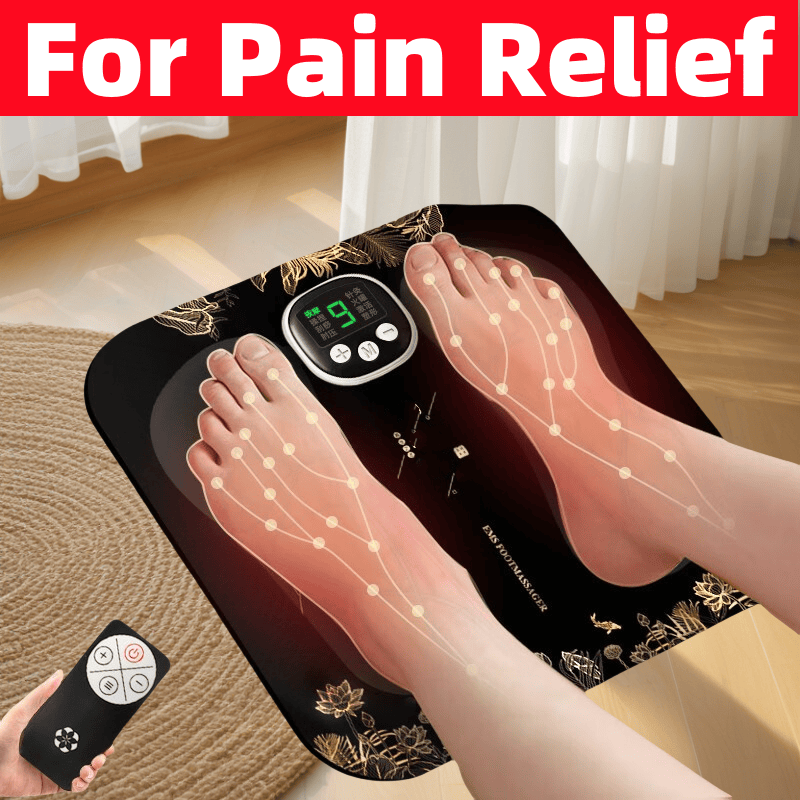
EMS Foot Massager Pad Price, Muscle Stimulator Mat
Determining how long should I use an EMS foot massager is not a one-size-fits-all equation. The ideal duration depends on your specific device type—whether a dedicated EMS foot massager, portable EMS foot massager pad, or comprehensive EMS massage mat—as well as your individual needs, tolerance, and goals.
For most users, the sweet spot falls between 15-20 minutes per session, with frequency ranging from daily to several times weekly. The key principles are:
Start conservatively and increase gradually
Listen to your body’s signals
Respect manufacturer guidelines while personalizing for your needs
Prioritize consistency over extended single sessions
Regularly reassess and adjust as needed
Remember that EMS technology is most effective when used as part of a comprehensive wellness approach that includes proper hydration, nutrition, stretching, and other recovery modalities. By finding your optimal usage time and respecting your body’s responses, you can safely enjoy the benefits of EMS technology for long-term foot health and overall well-being.
The most successful users are those who view their EMS device as a tool rather than a solution, integrating it thoughtfully into their overall health practices while maintaining realistic expectations about what it can achieve within appropriate time parameters.
Related topics:
Beyond the Bonus: Cultivating Culture with Thoughtful Corporate Gifts for Employees
https://timebusinessnews.com/beyond-the-paycheck-unpacking-the-anatomy-of-a-truly-meaningful-employee-reward/
How to Personalize Your Tungsten Ring: Inlays, Finishes, and Designs