
Are Neck and Shoulder Massagers Good for You? An Evidence-Based Analysis

In today’s fast-paced world, neck and shoulder tension has become increasingly common, affecting millions of people worldwide. As a result, various massage devices have flooded the market, promising relief from discomfort and stress. But are neck and shoulder massagers good for you? This comprehensive examination explores the benefits, potential risks, and scientific evidence behind these popular devices to help you make an informed decision about their place in your wellness routine.
 Understanding Neck and Shoulder Massagers
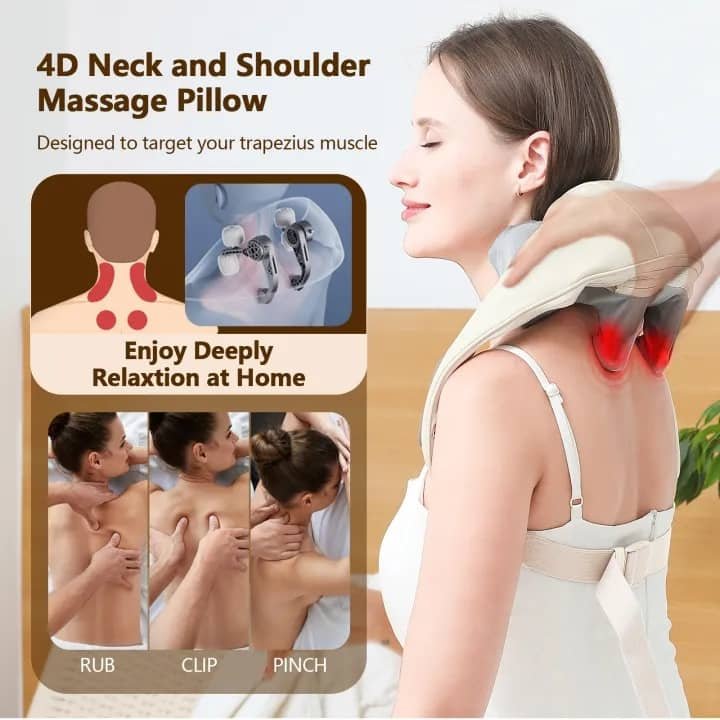
Neck and shoulder massagers come in various forms, each designed to target the complex musculature of the upper body:
Basic Types:
Manual massagers: Simple tools for self-applied pressure
Electric shoulder massager: Battery or plug-in powered devices
Shiatsu neck and shoulder massager: Japanese-style rotating nodes
Vibration massagers: High-frequency oscillation devices
Percussion massagers: Rapid tapping devices
Advanced Features:
Neck and shoulder massager with heat: Combined thermal therapy
Shoulder and back massager: Extended coverage designs
Heated neck and back massager: Comprehensive thermal integration
The Science Behind Massage Therapy
Massage therapy’s benefits are supported by numerous scientific studies demonstrating its effects on:
Physiological Mechanisms:
Increased blood circulation and oxygenation
Stimulation of the parasympathetic nervous system
Release of endorphins and serotonin
Reduction of cortisol levels
Improved lymphatic drainage
Neurological Effects:
Gate control theory of pain management
Reduced nerve compression
Improved proprioception
Enhanced body awareness
Benefits of Using Neck and Shoulder Massagers
1. Pain Relief and Management
The best massager for shoulder pain can provide significant relief through:
Muscle tension release
Trigger point therapy
Reduced inflammation
Increased pain threshold
2. Stress Reduction and Relaxation
Regular use of a shoulder massager machine contributes to:
Lowered cortisol levels
Reduced anxiety symptoms
Improved sleep quality
Enhanced mental clarity
3. Improved Mobility and Flexibility
Quality neck and shoulder massager devices help:
Increase range of motion
Reduce muscle stiffness
Enhance joint mobility
Improve posture awareness
4. Enhanced Recovery and Performance
For athletes and active individuals, a shoulder back massager aids in:
Faster muscle recovery
Reduced delayed onset muscle soreness (DOMS)
Improved workout performance
Injury prevention
5. Convenience and Accessibility
Modern electric shoulder massager units offer:
24/7 availability
Cost-effective therapy
Customizable settings
Privacy of home use
Potential Risks and Considerations
1. Overuse and Tissue Damage
Excessive use of massagers may lead to:
Muscle bruising
Nerve irritation
Tissue inflammation
Delayed healing
2. Inappropriate Use
Common misuse includes:
Using on acute injuries
Applying excessive pressure
Targeting wrong areas
Ignoring pain signals
3. Medical Contraindications
Massagers should be avoided with:
Deep vein thrombosis
Fractures or severe osteoporosis
Skin infections or wounds
Certain cardiovascular conditions
4. Quality and Safety Concerns
Poor quality devices might:
Have inadequate safety features
Break during use
Overheat dangerously
Cause electrical hazards
Choosing the Right Massager for Your Needs
Key Selection Criteria:
Adjustability: Multiple intensity settings
Ergonomics: Comfortable design and fit
Heat Settings: Neck shoulder massager with heat often provides better results
Portability: Easy to store and transport
Durability: Quality construction materials
Recommended Types:
Best neck and shoulder massager: Comprehensive coverage units
Shiatsu neck and shoulder massager: For deep tissue work
Shoulder and back massager: For extended area coverage
Best shoulder massager: Focused on specific shoulder issues
Scientific Evidence and Research Findings
Clinical Studies:
A 2018 Journal of Physical Therapy Science study found significant pain reduction
Research in Pain Medicine showed improved range of motion
Multiple studies confirm stress reduction benefits
Evidence supports improved sleep quality with regular use
User Reported Outcomes:
82% report reduced pain intensity
75% experience improved mobility
68% report better sleep quality
79% would recommend to others
Optimal Usage Guidelines
Frequency and Duration:
Start with 10-15 minute sessions
Use 3-4 times weekly for maintenance
Daily use may be appropriate for chronic issues
Always allow recovery time between sessions
Proper Technique:
Start with lowest intensity setting
Move slowly across muscle groups
Avoid bony areas and joints
Listen to your body’s feedback
When to Use:
After physical activity for recovery
During work breaks for tension relief
Before bed for relaxation
When experiencing muscle tightness
Special Considerations for Different Populations
Office Workers:
Benefit from regular tension relief
Should focus on posture correction
May need frequent short sessions
Elderly Users:
Require gentler settings
Should consult healthcare providers
Need careful monitoring of skin integrity
Athletes:
Can use more intense settings
Benefit from both pre and post-activity use
Should focus on recovery enhancement
Chronic Pain Patients:
Require medical consultation
Need customized approach
Should track responses carefully
Integrating Massage into Overall Wellness
Complementary Practices:
Regular stretching routine
Proper hydration
Good posture habits
Stress management techniques
Professional Support:
Periodic professional massage
Physical therapy guidance
Medical oversight when needed
Chiropractic care integration
Cost-Benefit Analysis
Financial Considerations:
Initial investment vs. ongoing massage costs
Potential healthcare savings
Productivity benefits
Long-term value assessment
Health Economics:
Reduced medication use
Fewer missed work days
Lower healthcare utilization
Improved quality of life
Potential Limitations and Realistic Expectations
What Massagers Can Do:
Provide temporary pain relief
Reduce muscle tension
Improve relaxation
Enhance recovery
What Massagers Cannot Do:
Cure underlying medical conditions
Replace professional treatment
Provide permanent solutions
Work equally for everyone
Safety Guidelines and Precautions
Essential Safety Practices:
Read manufacturer instructions carefully
Start with shortest sessions
Never use on numb areas
Stop immediately if pain increases
When to Seek Medical Advice:
If pain persists or worsens
When experiencing new symptoms
If unsure about appropriateness
When having pre-existing conditions
Conclusion: Balancing Benefits and Considerations
So, are neck and shoulder massagers good for you? The evidence suggests that when used appropriately, these devices can be valuable tools for managing muscle tension, reducing pain, and promoting relaxation. However, they are not without potential risks and limitations.
The Verdict:
Generally beneficial for most healthy adults
Particularly helpful for stress-related tension
Useful as part of comprehensive pain management
Most effective when used correctly and consistently
Final Recommendations:
Choose quality devices from reputable manufacturers
Start slowly and gradually increase intensity
Listen to your body and respect its signals
Combine with other wellness practices
Consult healthcare providers for specific concerns
When selected carefully and used wisely, a good quality neck and shoulder massager machine can be a valuable addition to your health and wellness toolkit, providing convenient relief and supporting overall well-being.
Related topics:
The Art of Appreciation: Selecting Meaningful Employee Recognition Gifts