
How to Protect Hands in the Shower?

For individuals managing a hand or wrist injury, the daily ritual of showering transforms from a simple act of hygiene into a significant challenge. Whether you’re protecting a cast, a splint, stitches, a wound, or a sensitive skin condition, the imperative to keep the area dry is paramount. Water exposure can lead to a host of complications, including skin maceration, infection, cast deterioration, and delayed healing.
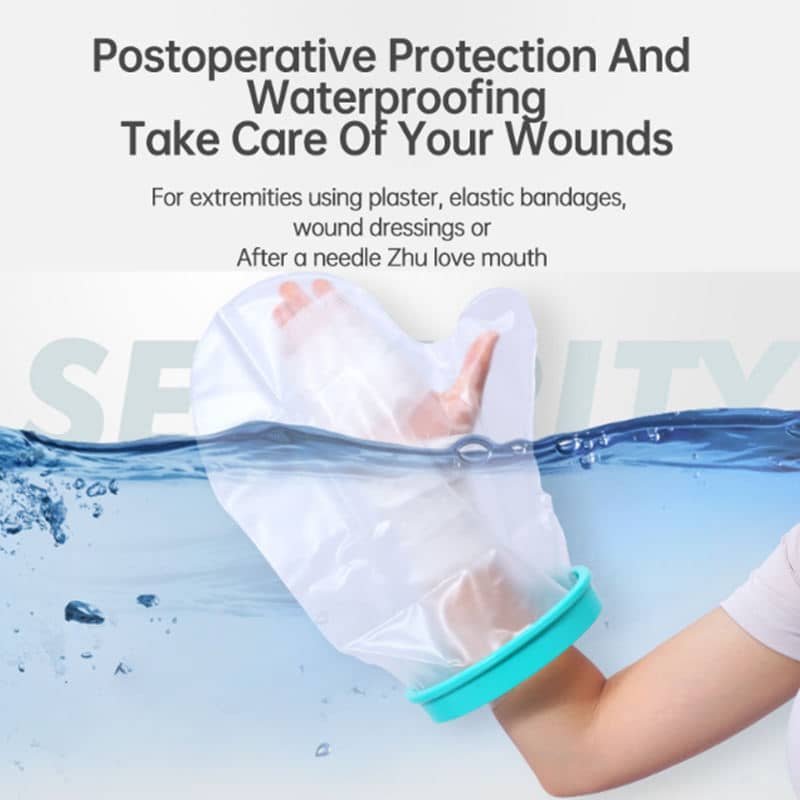
Navigating this challenge requires reliable strategies and tools. While makeshift solutions abound, the most effective method involves using a purpose-built Waterproof Hand Cast Cover For Shower. This comprehensive guide will explore the best practices for hand protection during bathing, focusing on the superior efficacy of dedicated waterproof protectors.
The Critical Importance of Keeping Hands Dry
Understanding the risks associated with moisture is the first step toward effective protection.
For Casts and Splints: A wet cast is a serious medical concern. Moisture trapped inside a plaster or fiberglass cast can cause skin breakdown, intense itching, fungal growth, and unpleasant odors. It also compromises the structural integrity of the cast, potentially necessitating an early and costly replacement.
For Wounds and Stitches: Introducing water and bacteria to a healing wound or surgical incision dramatically increases the risk of infection. It can also disrupt the healing process, cause sutures to loosen, and lead to maceration—where the surrounding skin becomes white, soggy, and prone to further breakdown.
For Skin Conditions: Conditions like eczema or severe dermatitis can be exacerbated by prolonged water exposure and harsh soaps, leading to increased dryness, cracking, and irritation.
Protecting your hands is not about convenience; it’s a crucial component of successful recovery and management.
The Gold Standard: Dedicated Waterproof Hand and Wrist Covers
The most reliable and hassle-free method for showering with an injured hand is to use a professionally designed waterproof hand cover for shower. These devices are engineered to create a fail-safe, watertight barrier, offering unparalleled peace of mind.
How They Work:
These protectors are typically sleeves made from durable, transparent plastics like TPU or medical-grade PVC. The key to their effectiveness is a wide, stretchable seal made of hypoallergenic silicone that fits snugly around the forearm or upper arm, creating an impenetrable gasket against water. The transparency allows for visual confirmation that the seal remains intact and the interior is dry.
Types of Covers:
Shower Protectors: A waterproof hand cast cover designed for showering is built to withstand splashes and direct spray. It is an essential tool for daily hygiene. Look for features like a wide silicone seal for comfort and a long sleeve that extends up the arm.
Swimming Protectors: A wrist cast cover for swimming or a waterproof hand cover for swimming is a more heavy-duty device. It is constructed with thicker material and stronger seals to handle the increased pressure of submersion. It is critical never to use a shower cover for swimming, as it will likely fail.
Key Features to Look For:
When selecting a waterproof hand cast protector, prioritize:
A Secure, Comfortable Seal: A wide silicone seal is gentle on the skin and prevents leakage without cutting off circulation.
Ample Length: The cover should extend from well above the wrist down past the fingertips.
Durable Material: The plastic should be thick enough to resist punctures but flexible for ease of movement.
Reusability: A quality cover can be used dozens of times, making it cost-effective for a multi-week recovery.
Step-by-Step Guide to Using a Waterproof Cover
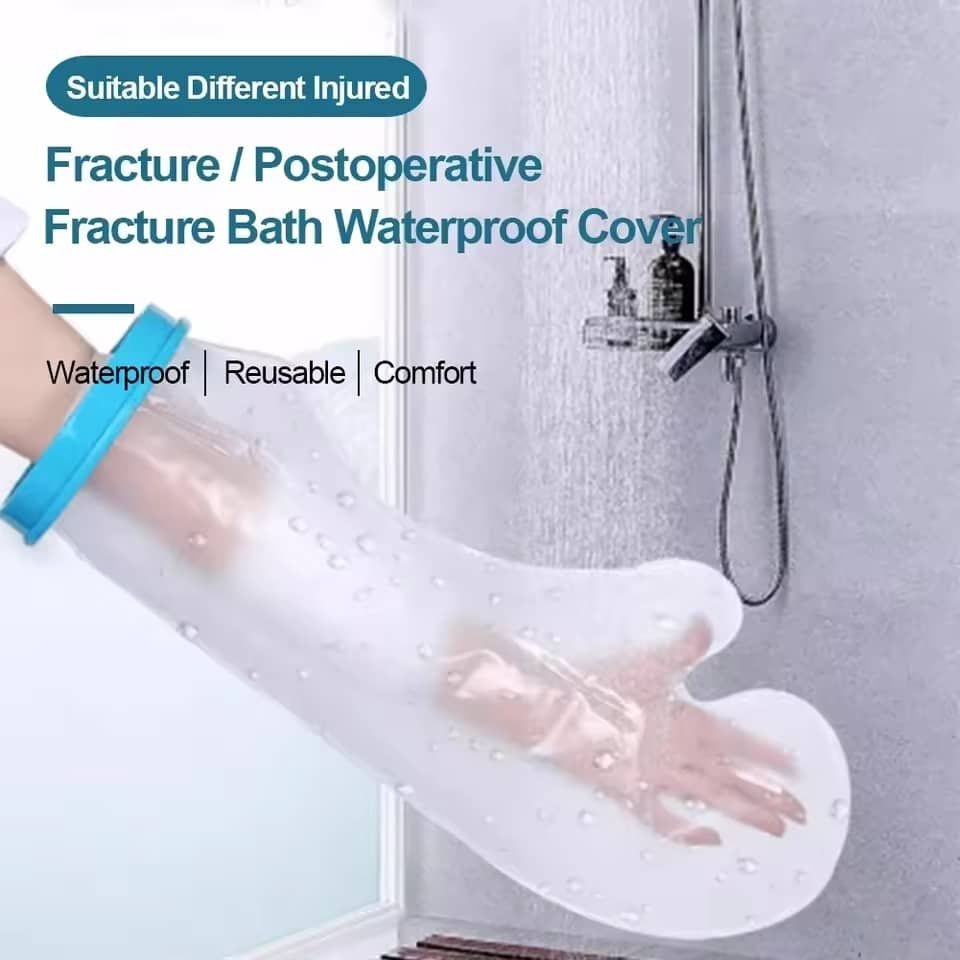
Proper application is the key to absolute dryness. Follow these steps for using your hand cast cover for shower:
Prepare Your Skin: The area on your forearm where the seal will sit must be clean, completely dry, and free of lotions or oils. This ensures a perfect grip. A light dusting of talcum powder can help improve the seal.
Prepare the Cover: Turn the waterproof cast cover wrist protector partially inside out. Roll it up from the hand end towards the top seal. This makes application significantly easier.
Apply the Cover: Gently slide the rolled cover over your injured hand. Position the sealed opening high on your forearm, ensuring it’s on smooth, uniform skin away from the elbow joint.
Unroll and Secure: Slowly unroll the cover down the length of your arm and over the cast. Adjust the top seal so it sits comfortably but snugly. It should be tight enough to prevent gaps but not so tight as to cause discomfort.
The Pre-Shower Check: Before entering the shower, feel around the seal for any folds or gaps. The transparent material allows you to see that everything is properly positioned.
Shower Mindfully: Use caution to avoid snagging the cover on sharp objects. While the cover is effective, avoid directing a high-pressure shower stream directly at the seal.
Dry Thoroughly Afterward: After showering, carefully pat the outside of the cover dry before removing it. Gently roll the cover off from the top. Immediately dry the skin under the seal and around the cast opening with a towel.
Alternative Methods and Their Drawbacks
Before commercial covers were widely available, people relied on DIY methods. These are not recommended for regular use due to their high failure rate.
Plastic Bags and Tape: This is a notoriously unreliable method. Tape does not adhere well to wet skin, loses its stickiness in steam, and can irritate the skin. Bags tear easily and cannot be sealed effectively.
Press-and-Seal Plastic Wrap: This is a slight improvement over bags, as it clings to itself and the skin. However, it is still prone to tearing and is not designed for the direct force of water.
These methods may work for a very quick, cautious rinse but are inadequate for a full shower. The risk of water seepage is high, making a dedicated wrist cast waterproof cover a far wiser investment.
Special Considerations and Final Tips
For Full Arm Coverage: If your injury extends further up the arm, ensure you select a cover that is long enough. Some waterproof cover for wrist cast models are quite short; always check the product dimensions.
After Surgery: A waterproof hand cast protector is crucial for protecting stitches, staples, or wounds from infection. Always follow your surgeon’s specific instructions regarding when it is safe to shower.
Check for Moisture: If you suspect any moisture may have entered the cast or wound, use a hairdryer on the cool setting to blow air over the area. Never use heat.
When in Doubt, Sponge Bathe: If you do not have a reliable cover, sponge bathing the unaffected parts of your body is the safest alternative. It is always better to err on the side of caution.
Conclusion: Shower with Confidence and Security
Protecting an injured hand in the shower doesn’t have to be a source of stress. By investing in a high-quality Waterproof Cast Protector wrist and learning to apply it correctly, you can maintain your hygiene and independence without jeopardizing your recovery. The modest cost of a dedicated wrist cast cover is insignificant compared to the comfort, convenience, and, most importantly, the security it provides in keeping your healing hand completely dry.
Remember, a dry recovery is a successful recovery. Choose the right tool for the job, follow the steps carefully, and step into the shower with confidence, knowing your hand is well-protected.