
Can I Train My Ears to Not Stick Out?

The desire to alter one’s appearance, especially a feature like protruding ears, is common. Many people wonder if, like training a muscle, they can “train” their ears to lie flatter against their head. The answer to this question is nuanced and hinges on a critical biological factor: the age of the individual and the plasticity of their ear cartilage.
This article will explore the science behind ear shape, the effective window for non-surgical intervention, and the truth behind consumer products like ear corrector tape, ear corrector stickers, and ear corrector clips that claim to offer a training-like solution.
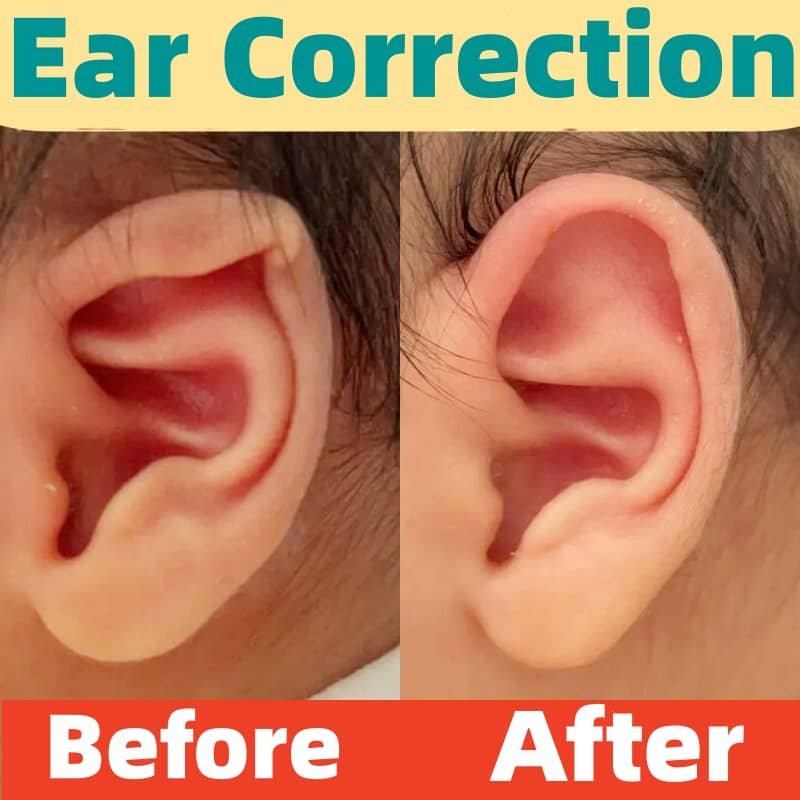
The Biology of Ear Cartilage: It’s Not a Muscle
First, it’s essential to understand what you’re trying to change. The structure of your ear is made of cartilage, a firm, flexible connective tissue. Unlike muscle, cartilage cannot be strengthened or reshaped through exercise or repetitive motion. It does not have blood vessels or nerves in the same way, and its form is largely permanent after a certain age.
The concept of “training” implies a change through consistent effort. While this works for muscles, which break down and rebuild stronger, it does not apply to cartilage. You cannot do “ear reps” to make them less prominent. Any method claiming to do so must rely on external, continuous pressure to effect change—and the effectiveness of this pressure is entirely age-dependent.
The Only True “Training” Window: Infant Ear Molding
For newborns, the answer is a resounding yes—ears can be non-surgically guided to a new shape. This process is less about “training” and more about molding during a unique biological period.
The Science Behind the Window:
In the first few weeks of life, a baby’s body contains high levels of maternal estrogen. This hormone makes the cartilage throughout the body exceptionally soft and malleable. This window of opportunity is short, typically closing between 6 to 8 weeks of age as the estrogen levels drop and the cartilage begins to stiffen into its permanent form.
The Process:
This is where medical-grade ear correctors for babies come in. A Newborn ear corrector system, such as the EarWell™ or EarBuddies™, is applied by a medical professional. It consists of a soft framework, a silicone shell, and medical-grade adhesive that functions like sophisticated ear corrector stickers. This system gently holds the ear in the desired position, molding the soft cartilage over 4-6 weeks.
This infant ear molding technique is highly successful for treating protruding ear, lop ear, cup ear, Stahl’s Ear, and other infant ear deformity issues. When treatment begins early, infant ear correction is permanent, with a success rate over 90%. This is the only scenario where external pressure can reliably and permanently reshape the ear.
The Adult Reality: Why “Training” Doesn’t Work
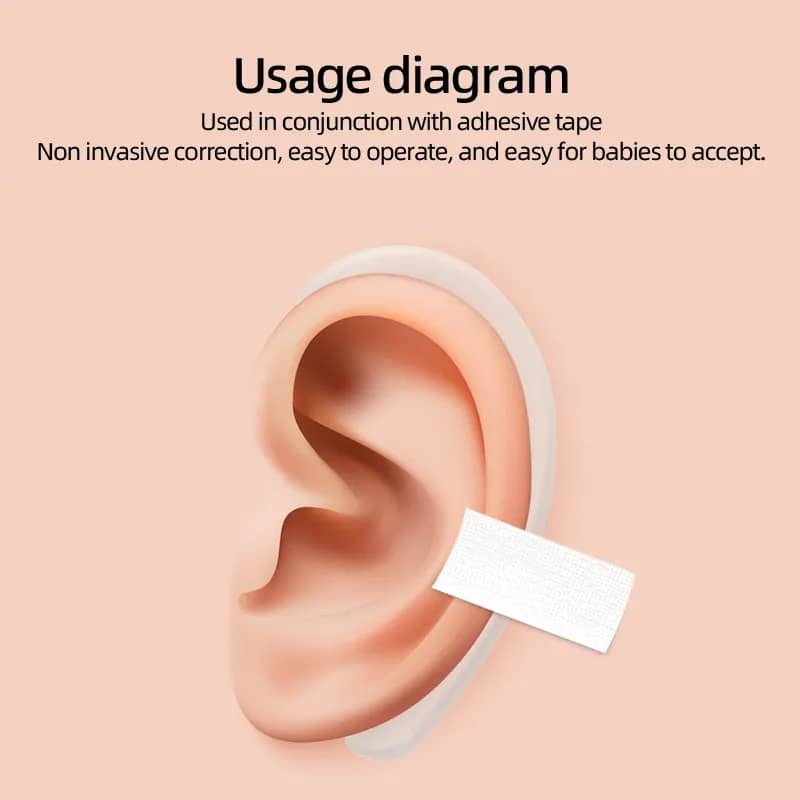
For adults, adolescents, and even infants who have missed the molding window, the cartilage is permanently set. It has hardened and lost its plasticity. This is a biological fact that no amount of “training” can reverse.
This reality check is crucial when evaluating products marketed as ear correctors for adults. These products, which include ear corrector tape, stickers, and ear corrector clips, are often presented as tools to “train” your ears. Let’s analyze their actual function:
Ear Corrector Tape/Stickers: These adhesive strips are applied to the back of the ear and attached to the scalp. They physically pull the ear closer to the head for as long as they are worn.
The Truth: This is temporary concealment, not correction or training. The effect is instantly reversed once the tape is removed. The cartilage has not changed. It does not provide cup ear deformity correction or address the underlying cause of prominent ears; it merely hides it temporarily. Prolonged use can lead to skin irritation and damage.
Ear Corrector Clip: This device clips onto the helical rim of the ear, applying pressure to bend it backward.
The Truth: Similar to tape, its effects are temporary and superficial. It is often uncomfortable and can cause pain, pressure sores, or even damage the skin and cartilage with extended use. It does not create any lasting change.
The Verdict for Adults:
These products are best understood as cosmetic concealers, not medical devices. They are the equivalent of shapewear for your ears—they can provide a temporary desired silhouette under clothing (or hair), but they do not permanently alter your body’s structure. No clinical evidence supports the claim that these devices can permanently “train” adult cartilage.
What Can You Do? Permanent Solutions for Protruding Ears
If you are an adult looking for a permanent solution, the only proven and effective method is otoplasty, or ear pinning surgery.
How it Works: A plastic surgeon makes a small incision behind the ear, sculpts the cartilage, and uses permanent sutures to create or enhance the natural folds and position the ear closer to the head. For complex deformities like Stahl’s Ear or constricted ear, more advanced techniques are used.
Permanence: The results of otoplasty are permanent. It is a one-time procedure that effectively addresses the root cause of protruding ears.
Recovery: Recovery involves a bandage for about a week and wearing a headband at night for several weeks to protect the results.
While otoplasty requires a medical procedure, it is the only way to achieve the lasting change that many people desire when they think about “training” their ears.
Conclusion: Manage Your Expectations
So, can you train your ears to not stick out?
If you are the parent of a newborn, the answer is an emphatic yes. Through the medical process of infant ear molding with a true ear corrector baby system, you can permanently guide your child’s soft cartilage to a more typical shape, preventing future self-consciousness.
If you are an adult, the answer is no. The concept of training is biologically impossible. Products like ear corrector tape, stickers, and clips offer only a temporary fix, not a permanent solution. They cannot alter the fundamental structure of your hardened cartilage.
The path to change is clear: embrace the temporary concealment options for what they are, or consult with a board-certified plastic surgeon to discuss the permanent, surgical solution of otoplasty. Understanding the science behind your body is the first step toward making an informed and realistic decision about your appearance.