
How Do I Choose the Right Toe Spacer?

The journey to improved foot health often begins with a simple yet powerful tool: the toe spacer. Whether you’re seeking relief from bunion pain, aiming to correct overlapping toes, or simply wanting to give your feet the space they crave after a long day in tight shoes, selecting the right device is crucial. The market is flooded with options, from basic foam plugs to sophisticated medical-grade systems. Choosing incorrectly can lead to discomfort, wasted money, and a lack of results. So, how do you navigate this landscape and find the perfect fit for your feet? This guide will walk you through the key considerations, ensuring you select a toe spacer that is effective, comfortable, and tailored to your specific needs.
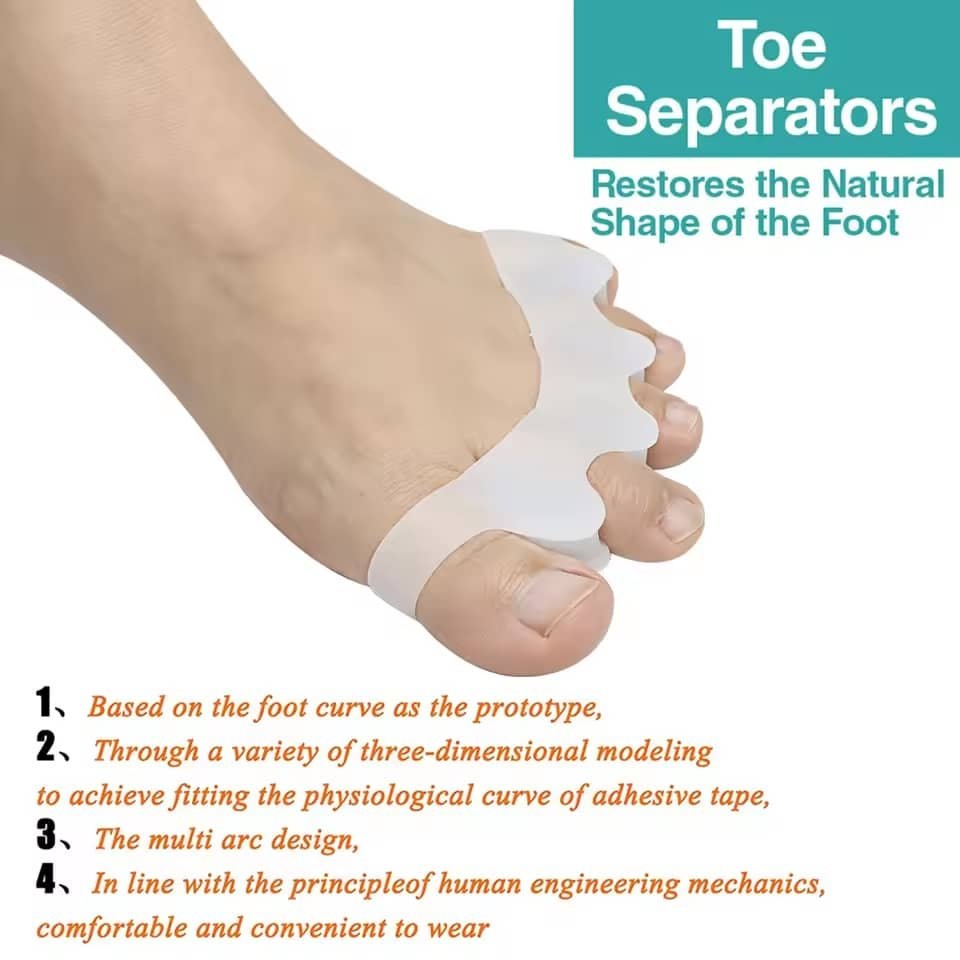
Step 1: Define Your Primary Goal
The most important question to ask is: Why do I want to use a toe spacer? Your objective will dramatically narrow down your choices.
For General Comfort & Post-Shoe Recovery: If your goal is to soothe tired, cramped feet after wearing heels or narrow shoes, soft, flexible options are ideal. Basic silicone toe spreaders that are stretchy and comfortable for short-term wear will suffice. They provide a pleasant stretch without being too aggressive.
For Pedicures: Your need is temporary and non-therapeutic. Inexpensive, single-use foam toe dividers for overlapping toes during polish drying are perfectly adequate. Their only job is to prevent smudging.
For Correcting a Specific Deformity (Bunions, Overlapping Toes, Hammertoes): This is where your choice becomes critical. For active realignment, you need a more robust tool. Passive, flimsy spacers will not provide enough resistance to create change. You should be looking for firmer, medical-grade silicone toe spreaders or anatomical spacers designed to hold their shape under pressure. For severe overlapping, specifically designed toe dividers for overlapping toes that target the specific digits involved are necessary.
For Holistic Foot Health & Gait Retraining: If you’re transitioning to minimalist footwear and want to restore your foot’s natural, splayed shape, you need the most effective corrective tool available. This often means investing in a system like Correct Toes or other podiatrist-recommended spacers that align all toes simultaneously and are designed for active use.
Step 2: Evaluate Material and Firmness
The material dictates the spacer’s function, durability, and level of correction.
Soft Silicone/Gel: These are typically squishy, very pliable, and comfortable for beginners. They are excellent for acclimating your toes to being separated and for mild, passive stretching. However, they can compress easily and may not be durable enough for long-term, therapeutic use. They are often too bulky for shoes.
Firm, Medical-Grade Silicone: This is the gold standard for correction. Firmer silicone toe spreaders provide consistent, active resistance against misaligned toes. They hold their shape, are highly durable, easy to clean, and hypoallergenic. They are designed for longer wear sessions during rest.
Foam: Cheap, disposable, and only useful for pedicures. They offer no structural support for correction.
Rubber/Latex: Less common now due to allergy concerns. Can be durable but is often less comfortable than medical silicone.
Step 3: Analyze Design and Anatomical Fit
A one-size-fits-all tube of gel is rarely as effective as an anatomically designed product.
Anatomical Shaping: The best therapeutic spacers have differently sized plugs or channels to match the natural descending size of your toes. The space between your big and second toe should be larger than the space between your fourth and pinky toe. This design ensures even pressure and a more natural, comfortable fit.
Targeted Design: For specific issues, look for a targeted design. Toe dividers for overlapping toes might be a single, sturdy spacer that fits specifically between the big and second toe, or a smaller one for the smaller toes. Don’t use a general full-foot spacer if only one area needs attention.
Adjustability: Some higher-end systems allow you to customize the spacing between toes by trimming the device or adjusting tension. This is invaluable for achieving a perfect, comfortable fit that provides the ideal amount of stretch.
Comfort Features: Look for seamless designs, smooth edges, and venting channels. These features prevent chafing, reduce moisture buildup, and make longer wear sessions more comfortable.
Step 4: Consider Size and Adjustability
A spacer that is too wide for your foot will over-stretch and cause discomfort. One that is too narrow will be ineffective and may pinch.
Width: Measure the widest part of your forefoot while standing. Many manufacturers provide sizing charts based on foot width. If you are between sizes, it’s often better to size up, as a spacer that is too tight is unusable.
Toe Channel Size: Ensure the individual channels or plugs are appropriately sized for your toes. If you have particularly slender or thick toes, this will affect your choice.
Adjustable Options: If you have unique needs or are unsure about size, an adjustable spacer is your safest bet. It allows you to start with a gentle stretch and gradually increase it as your feet adapt.
A Practical Guide by Use Case
For Bunions: Choose firm, medical-grade silicone toe spreaders with a strong focus on the space between the first and second toe. The spacer must be robust enough to push against the big toe’s deviation. Correct Toes are often considered the top choice for this.
For Overlapping Toes: You need specifically designed toe dividers for overlapping toes. These are often single spacers or small sets that target the specific toes involved (e.g., a Y-shaped spacer for a pinky toe overlapping the fourth toe). They need to be firm enough to hold the toe in a corrected position.
For Hammertoes: A full-foot spacer that encourages all toes to lie flat is beneficial. It helps stretch the tightened tendons and muscles that are causing the toe to curl. Firm silicone is again preferred.
For Beginners: Start with a soft-to-medium firmness silicone spacer. Wear it for short periods (15-30 minutes) to allow your feet to adapt without being overwhelmed.
For Active Use/In Shoes: This is very difficult. Most spacers are for rest only. If you must have something for shoes, only the very thinnest, softest silicone toe spreaders might work, and only if your shoes have an extremely wide and flexible toe box. Never force a spacer into a regular shoe.
 Step 5: Integrate into a Holistic Routine

Remember, a toe spacer is a tool, not a cure. Its effectiveness is multiplied when combined with other practices:
Proper Footwear: This is non-negotiable. You cannot correct your toes if you spend 8+ hours a day cramming them into narrow shoes. Invest in footwear with a wide toe box.
Foot Strengthening: Use the spacers during your foot exercises. Practice spreading your toes against the resistance of the spacer, doing towel scrunches, and doming your arch. This active engagement is where real change happens.
Gradual Progression: Start slowly. Your toes have been misaligned for years; change will not happen overnight. Gradually increase wear time from 15 minutes to 1-2 hours per day over several weeks.
Listen to Your Body: A gentle stretch is good. Sharp pain, numbness, or a burning sensation is not. If you experience this, remove the spacer immediately. You may need a softer material, a different size, or a shorter wear time.
Conclusion: Your Path to the Perfect Fit
Choosing the right toe spacer is a personal process that requires you to be an informed consumer. By clearly defining your goal—be it comfort, pedicure, or correcting overlapping toes—you can immediately filter for the right category of product. Prioritize material and design, opting for firm, anatomical, medical-grade silicone toe spreaders for any therapeutic purpose. Finally, remember that the spacer is just one part of the equation. True, lasting change comes from combining this passive tool with active strengthening, mindful footwear choices, and consistent, patient effort. By taking the time to choose wisely, you invest in a foundation of lasting foot health and comfort.