
Do Big Toe Bunion Correctors Work?

The sight of a bunion—a bony, often painful bump at the base of the big toe—can be a source of frustration and concern for millions. This common deformity, known medically as hallux valgus, doesn’t just affect appearance; it can lead to significant discomfort, difficulty finding shoes, and a progressive decline in foot function. In the search for a non-surgical solution, a vast array of devices promises relief and correction, most notably the big toe spacer. But do these bunion correctors actually work, or are they merely a temporary comfort measure? The answer, like the foot itself, is complex and hinges on understanding what these devices can and cannot do.
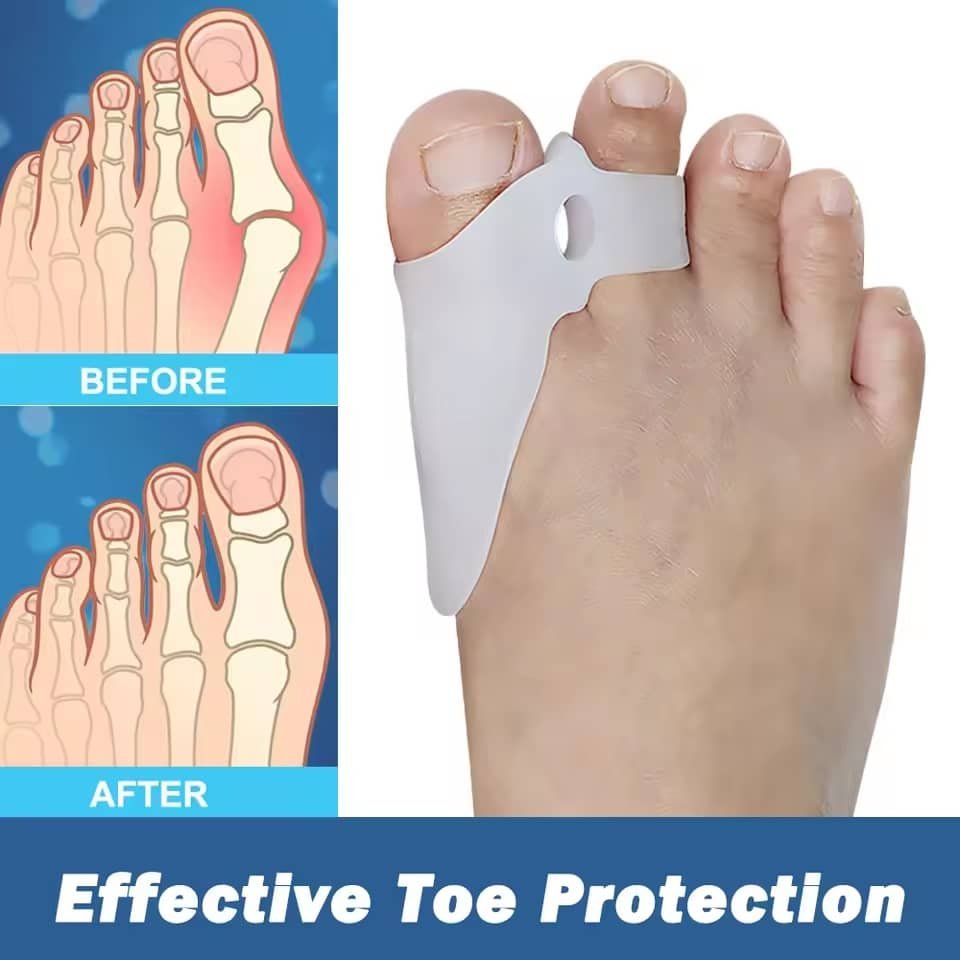
Gel Silicone Big Toe Dividers Spacer for Bunions 7
This article delves into the science and practicality of big toe spacer for bunions, separating evidence from marketing hype to help you make an informed decision about your foot health.
Understanding the Bunion: More Than Just a Bump
To evaluate any corrector, one must first understand what a bunion is. It is not simply an extra growth of bone. A bunion is a complex structural deformity where the first metatarsal bone shifts inward, while the big toe angles outward toward the smaller toes. This misalignment creates the characteristic bump, which is actually the metatarsal head protruding.
The causes are multifaceted:
Genetics: A inherited foot type, like flat feet or overly flexible ligaments, is a primary factor.
Footwear: Narrow, pointed-toe shoes and high heels are a major contributing factor, especially for women, as they force the foot into an unnatural position that exacerbates the underlying predisposition.
Biomechanics: Abnormal gait or foot mechanics can place excessive stress on the big toe joint.
This complexity is crucial because it means a simple big toe spacer is not addressing the underlying displacement of the metatarsal bone.
How Bunion Correctors (Spacers) Claim to Work
The most common type of non-surgical device is the toe dividers for bunions. This category includes everything from simple gel toe spacers for bunions to more rigid splints. Their proposed mechanisms are:
Realignment: By placing a big toe spacer between the big and second toes, the device applies a gentle, constant lateral force. The goal is to push the big toe back into a more anatomically neutral position over time.
Stretching Soft Tissues: The spacer stretches the tightened ligaments, tendons, and joint capsule on the inner side of the big toe, which may improve flexibility and reduce the deforming pull.
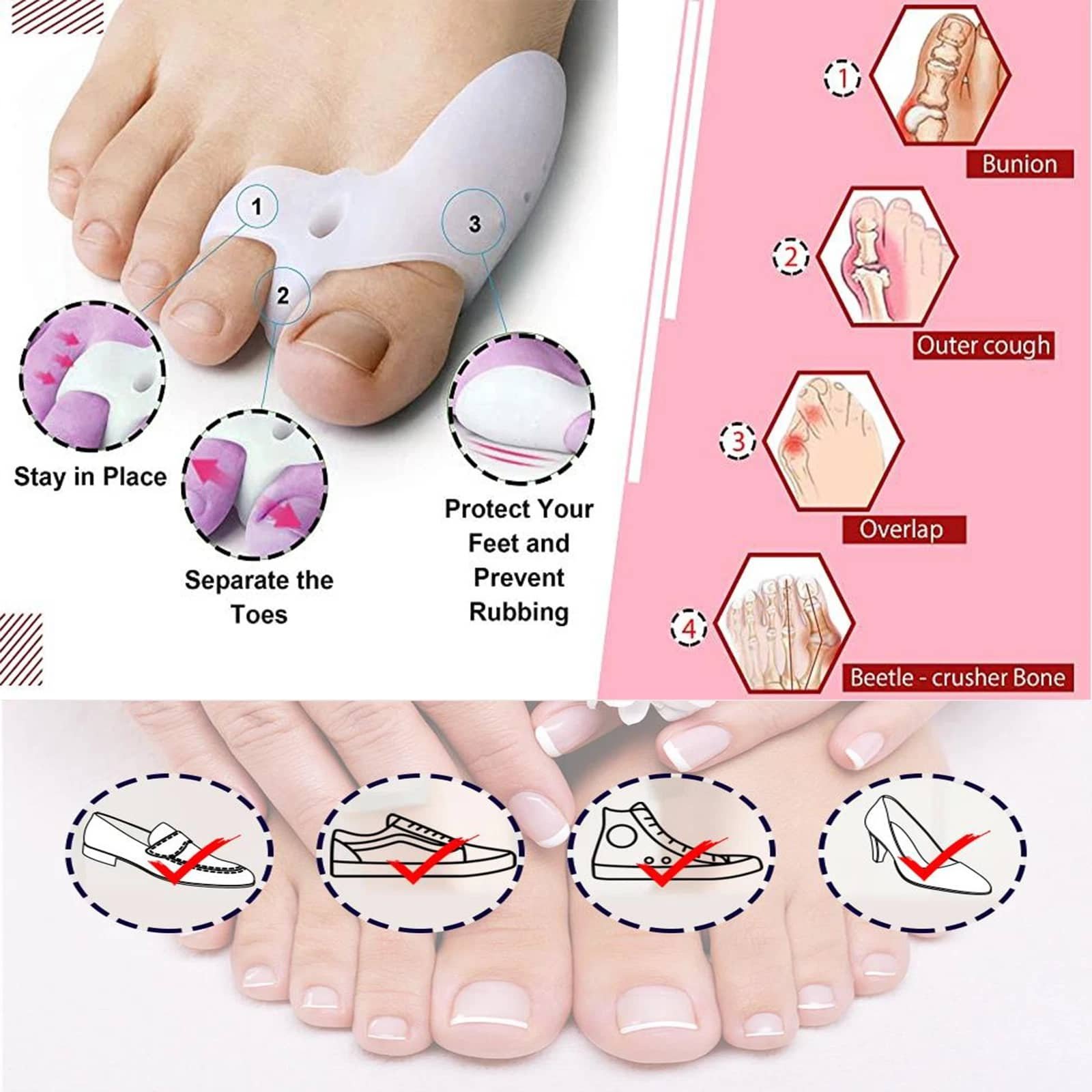
Pain Relief: By separating the toes, these spacers for bunions prevent friction and rubbing, reducing pressure on the inflamed bursa and skin, thereby alleviating pain from corns and calluses.
Splinting: Some devices, particularly night splints, are more rigid and aim to hold the toe in a corrected position for extended periods, like during sleep.
The Reality Check: What the Evidence Says
So, do they deliver on these promises? The consensus among podiatrists is nuanced.
 What They CAN Do (The Benefits):
Provide Effective Symptomatic Relief: This is their strongest benefit. Silicone toe spacers for bunions are highly effective at reducing friction between the toes, which can immediately alleviate pain from soft tissue inflammation, corns, and calluses. For many users, this comfort alone makes them worthwhile.
Slow Progression: For mild, flexible bunions, consistent use of a big toe spacer for bunions may help slow the progression of the deformity. By counteracting the inward force of the big toe, they can prevent the condition from worsening as quickly as it might otherwise, especially if combined with proper footwear.
Improve Flexibility: They can help stretch and loosen tight soft tissues around the joint, which may improve range of motion and reduce stiffness.
Post-Surgery Maintenance: They are often used after bunion surgery to help maintain the correction achieved during the procedure.
What They CANNOT Do (The Limitations):
They Cannot “Cure” or Permanently Reverse a Bunion: This is the most critical point to understand. Once the metatarsal bone has shifted and the joint has adapted to its new position, no external splint or spacer can permanently reverse this structural change. The deformity is osseous (bony) and ligamentous.
Limited Effect on Rigid Bunions: If your bunion is rigid (you cannot manually move the big toe back toward a straight position), spacers will have little to no corrective effect. They may still provide comfort, but they will not change the alignment.
No Address of Root Cause: Gel toe spacers for bunions do not address the underlying biomechanical cause of the bunion, such as overpronation or faulty gait mechanics. Without addressing these root issues with orthotics or physical therapy, the deforming forces will continue.
Choosing the Right Device: A Buyer’s Guide
If you decide to try a corrector, choosing the right type is key to getting any benefit.
For Daytime Comfort: Soft, flexible gel toe spacers for bunions or silicone toe spacers for bunions are ideal. They are discreet enough to be worn with roomy shoes and excel at reducing friction and pressure. Look for medical-grade silicone for durability and comfort.
For Active Correction (Night Use): Rigid night splints or adjustable correctors are designed for use during rest. They apply a stronger corrective force than soft spacers but are too bulky for walking. These are best for targeting flexible bunions when the foot is relaxed.
For Targeted Separation: Simple toe dividers for bunions that fit only between the first and second toes are a good starting point. They are less intrusive than full-foot spacers.
Fit and Comfort: The device should fit snugly enough to stay in place and provide a gentle stretch but should not cause pain, numbness, or cut off circulation. It should be made from hypoallergenic, washable material.
The Holistic Approach: Spacers Are Just One Tool
Relying solely on a big toe spacer is like building a house without a foundation. For a comprehensive approach, you must combine it with:
Proper Footwear: This is the single most important factor. You must wear shoes with a wide, deep toe box that allows your toes to spread naturally without compression. Continuing to wear narrow shoes will nullify any benefit from the spacer.
Strengthening Exercises: Strengthen the intrinsic foot muscles to better support the arch and toes. Exercises like toe spreads, towel scrunches, and marble pickups are essential.
Orthotics: Custom or over-the-counter orthotics can help correct the underlying biomechanical issues (like overpronation) that contribute to bunion formation.
Professional Consultation: See a podiatrist for a definitive diagnosis and personalized treatment plan. They can tell you if your bunion is flexible or rigid and recommend the most appropriate conservative or surgical options.
Conclusion: A Tool for Management, Not a Miracle Cure
So, do big toe bunion correctors work? Yes, but with important caveats. They are not miracle devices that will make a developed bunion disappear. They will not provide a permanent correction for a structural bone deformity.
However, they do work remarkably well as a tool for management. A high-quality silicone toe spacers for bunions can provide significant pain relief, reduce friction, improve flexibility, and potentially slow the progression of a flexible bunion. When used as part of a holistic strategy that includes appropriate footwear, foot exercises, and professional guidance, a big toe spacer becomes a valuable component in your toolkit for maintaining foot health, managing symptoms, and delaying the potential need for surgery.