
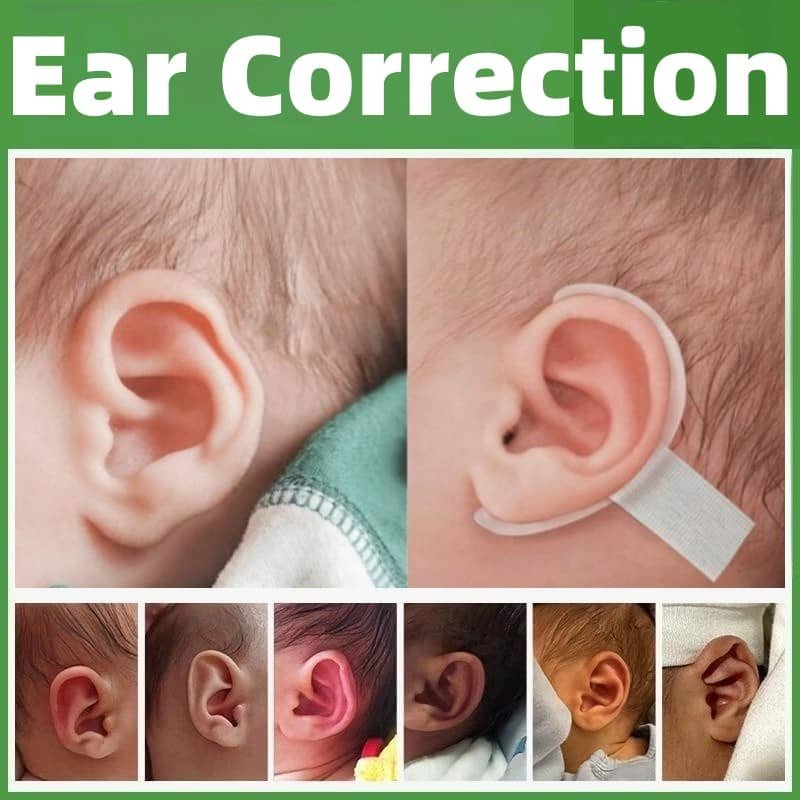

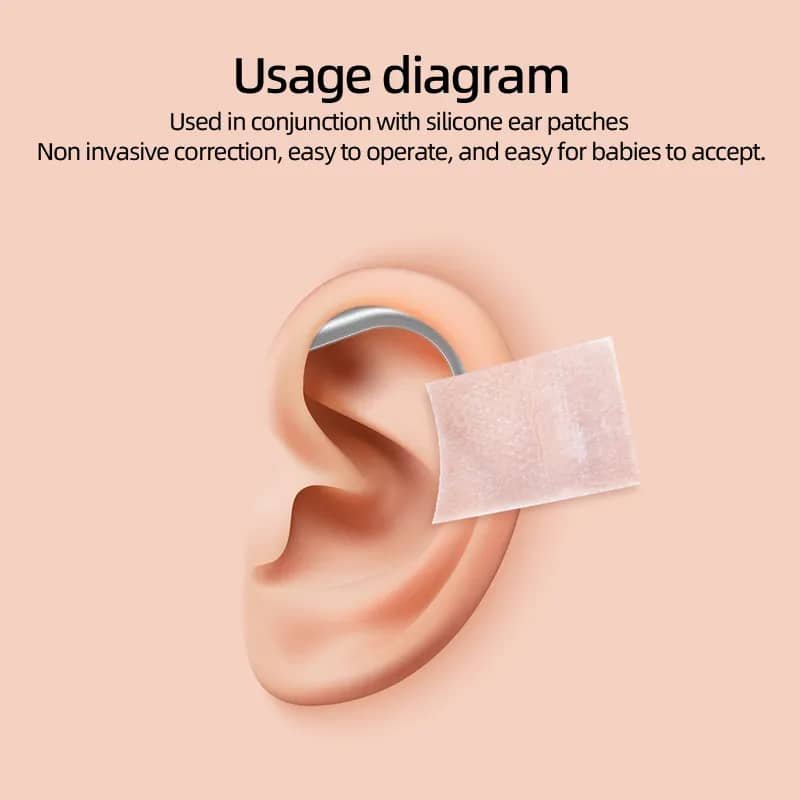
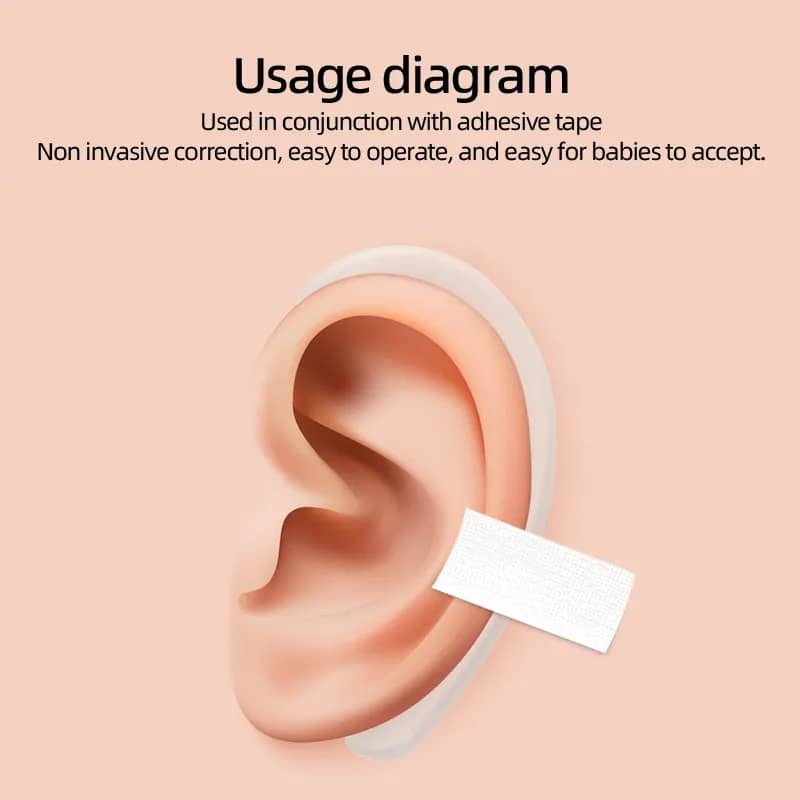
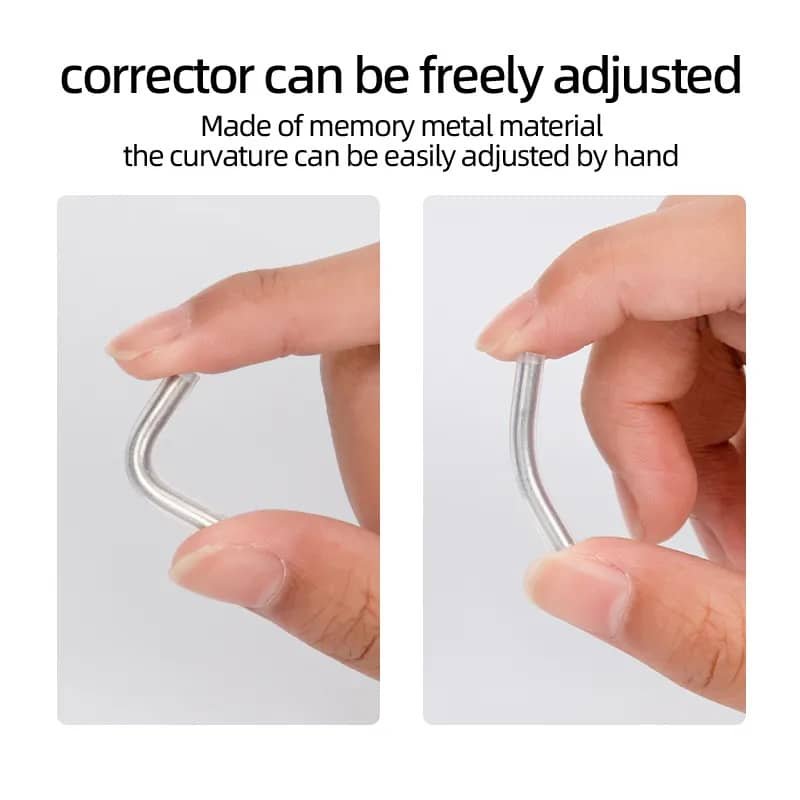
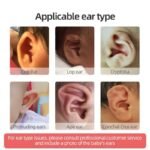
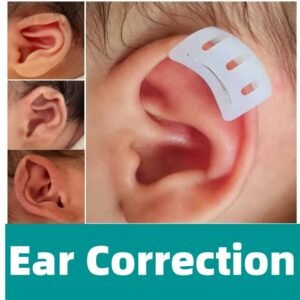
Lop Ear Corrector Tape, Cryptotia Deformity Correction
Price range: $68.00 through $88.00
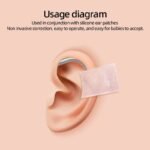
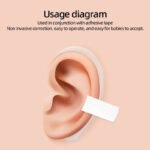
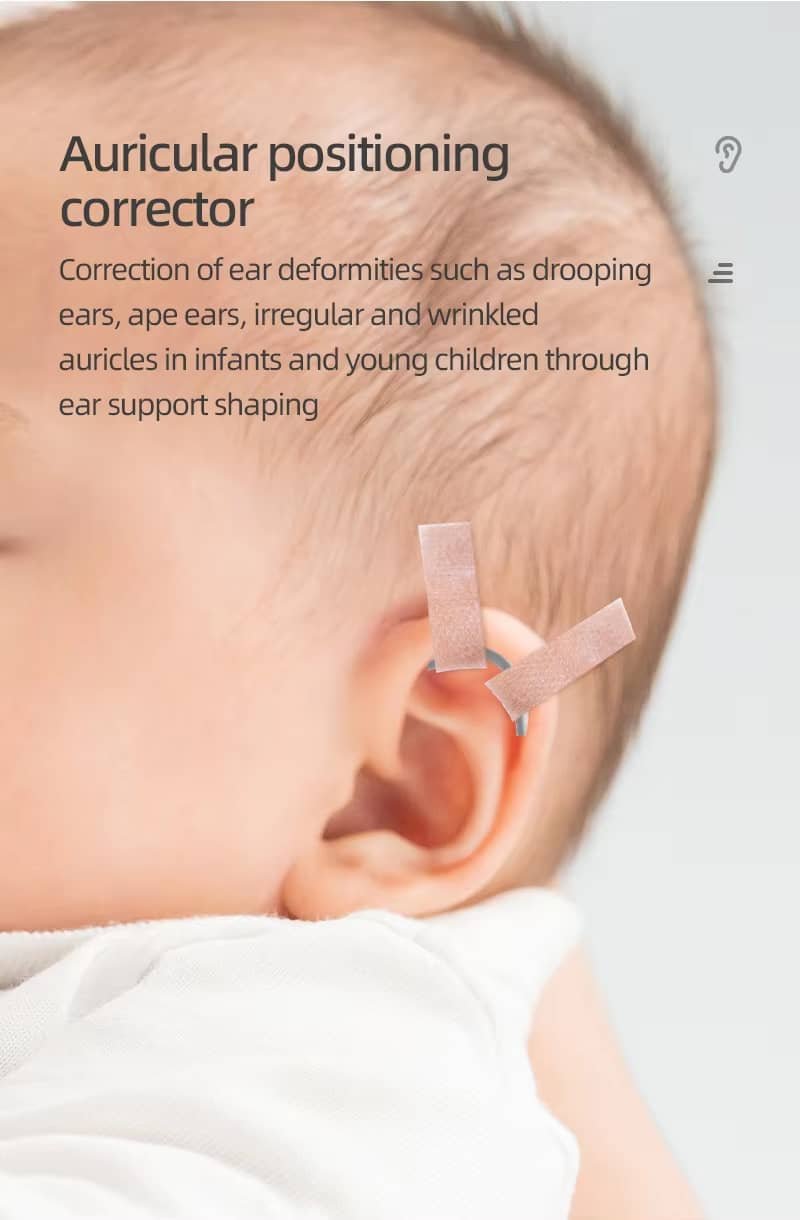
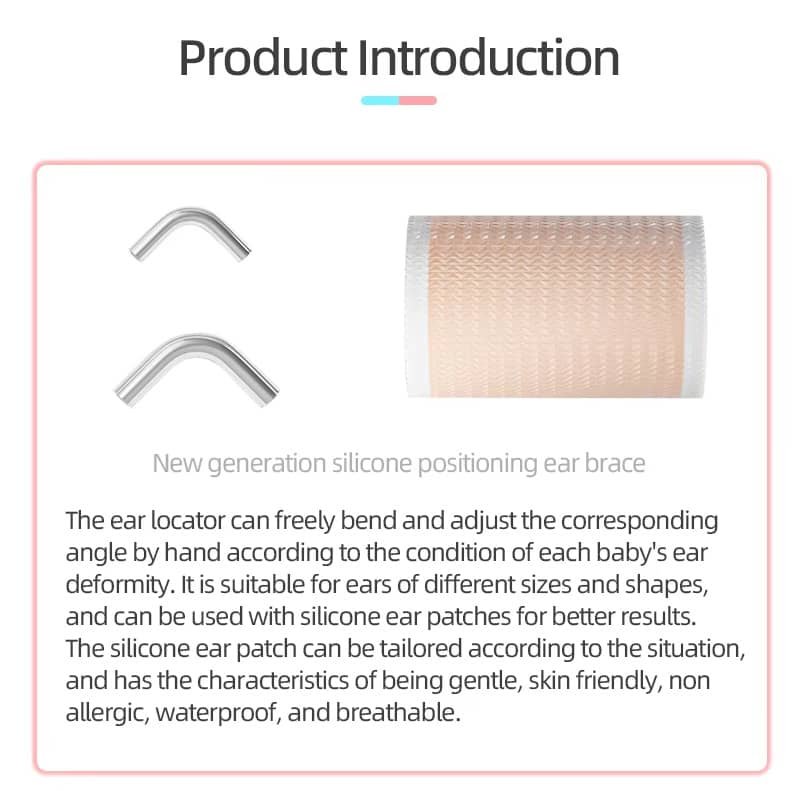
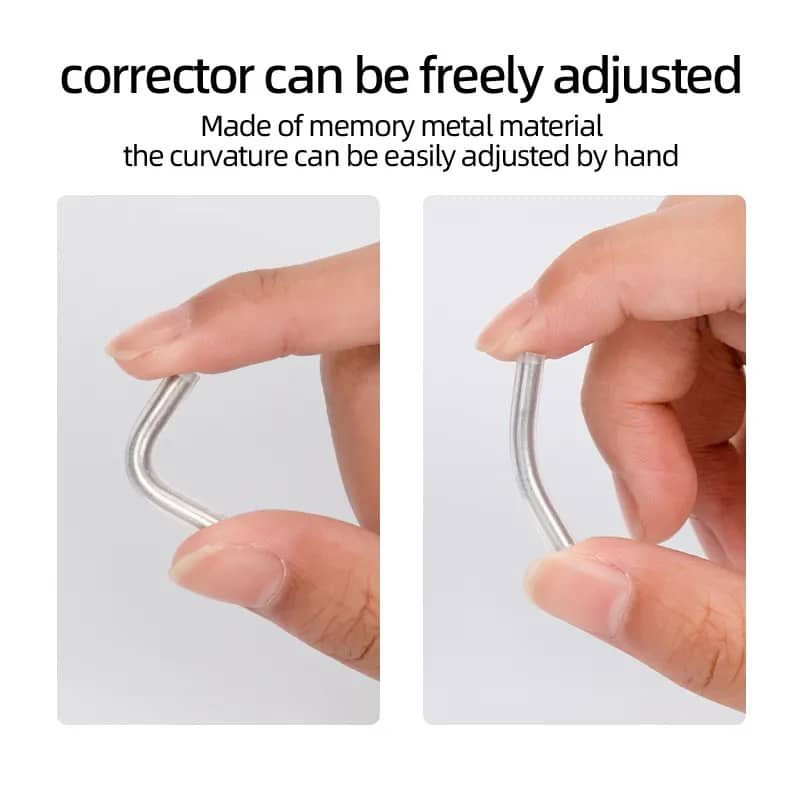
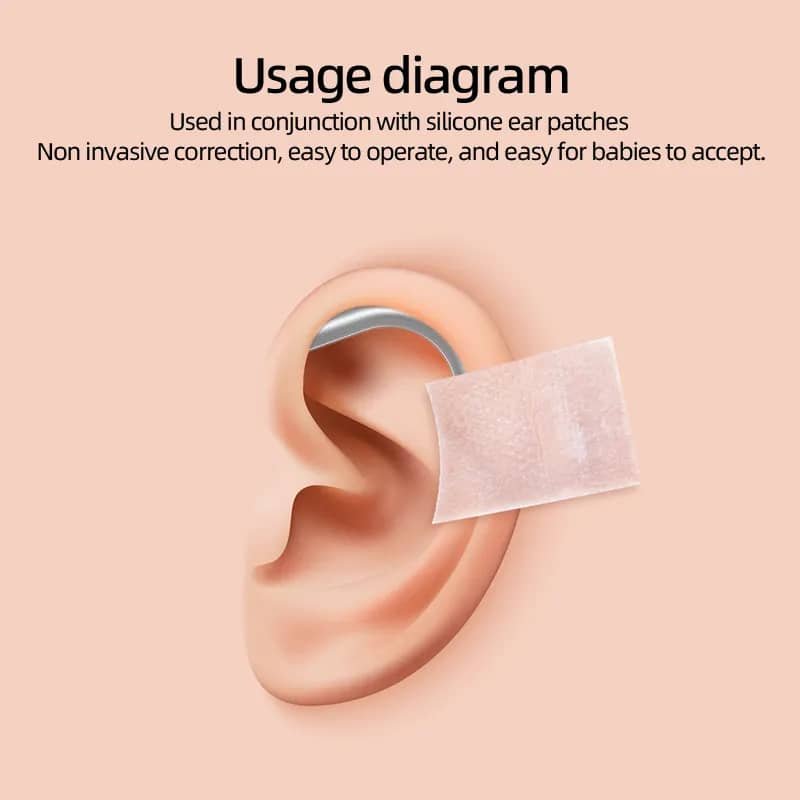
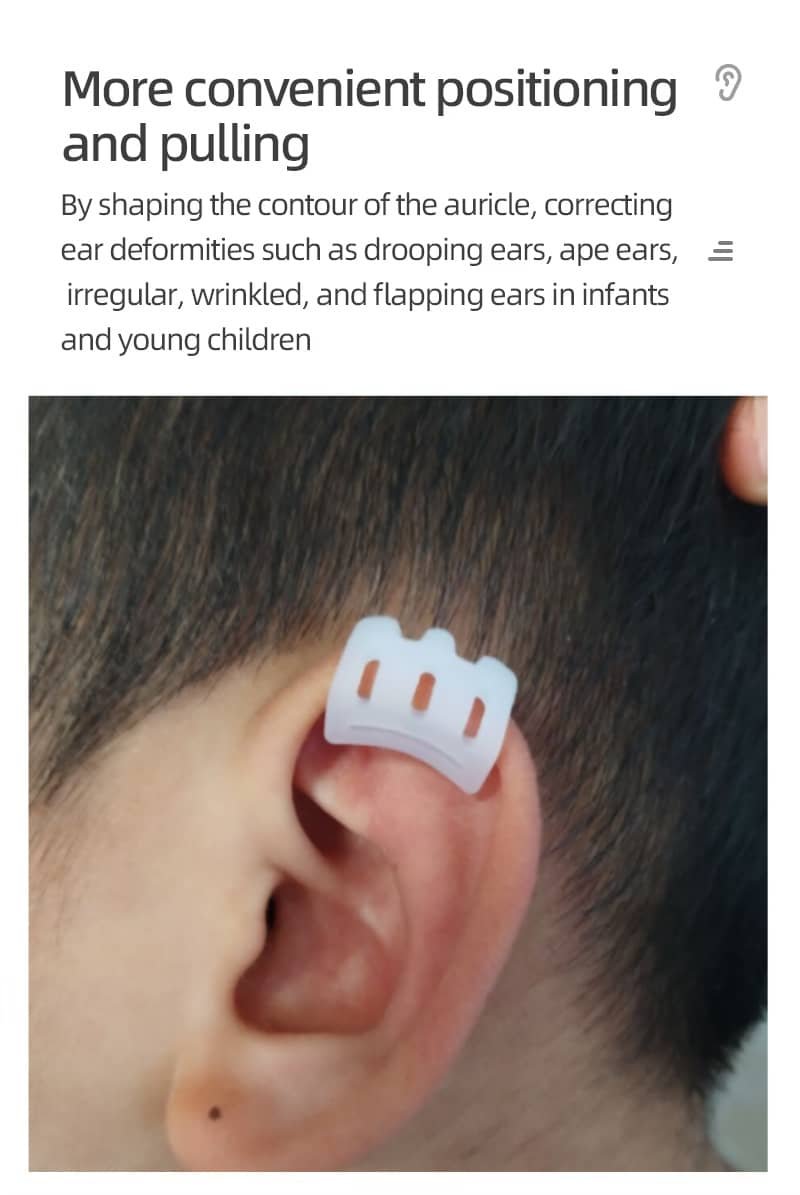
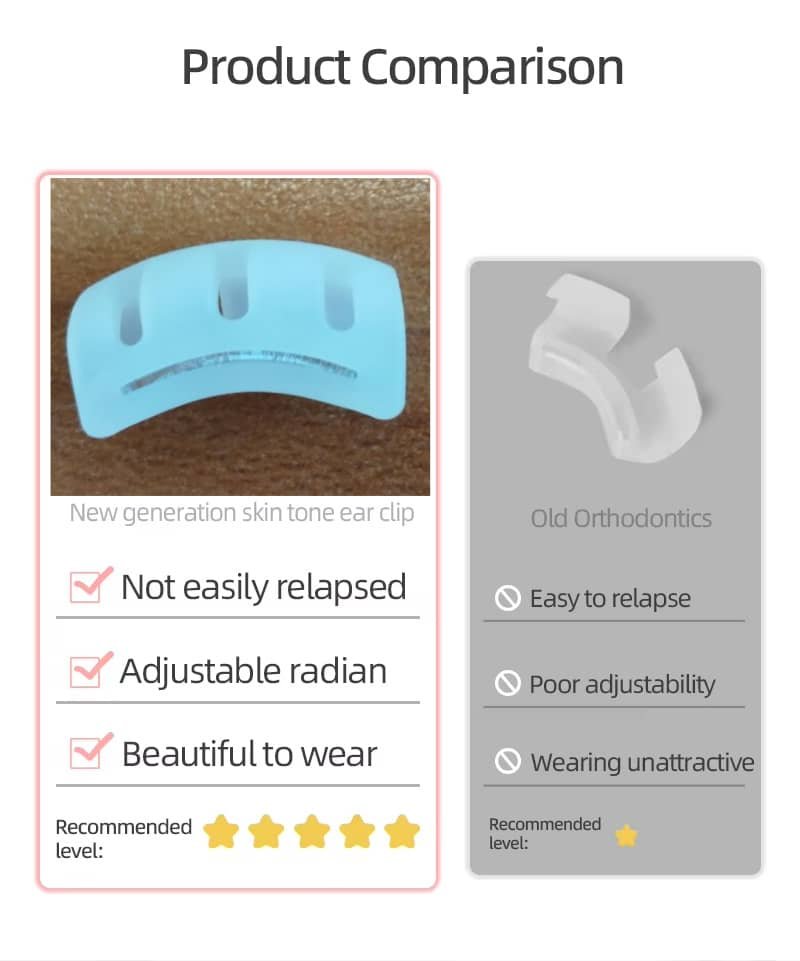
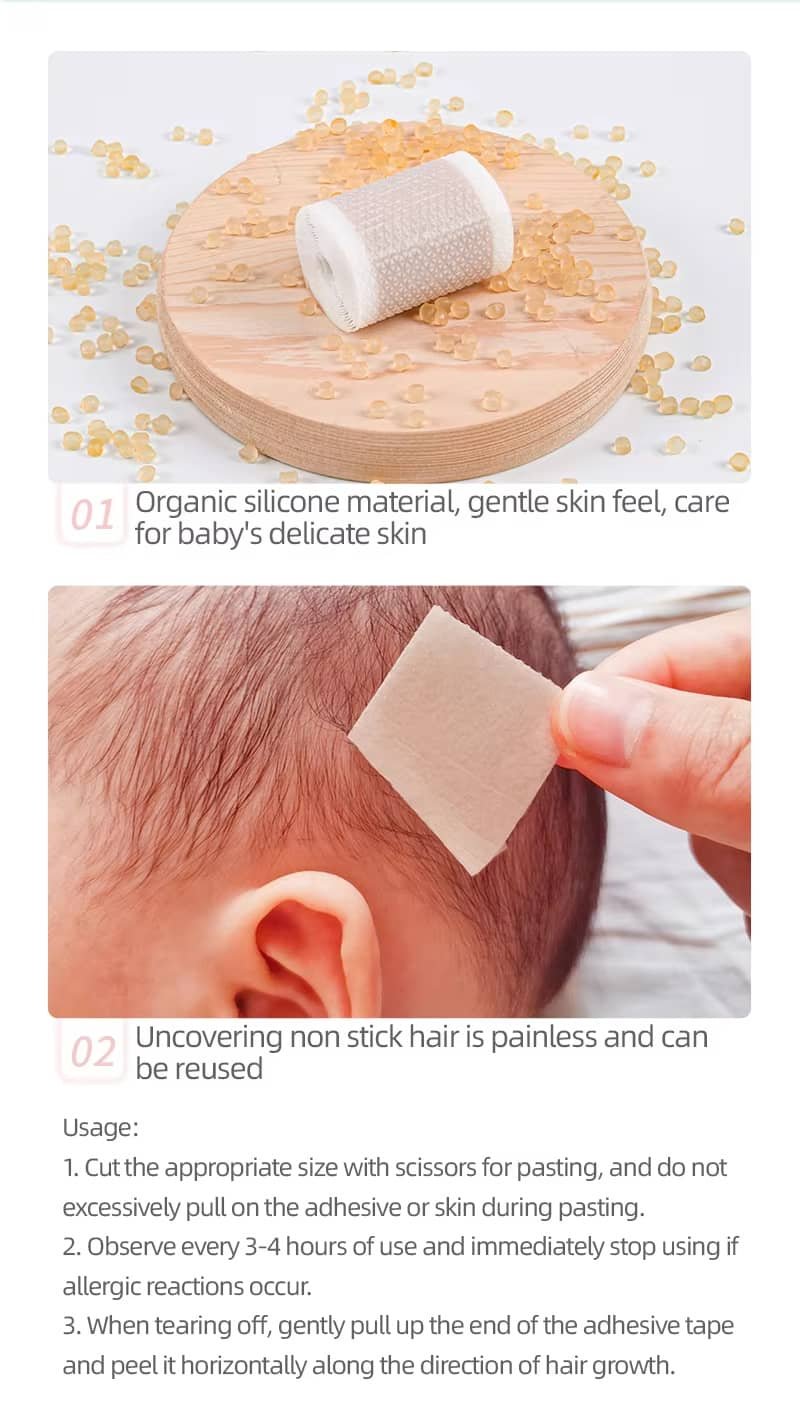
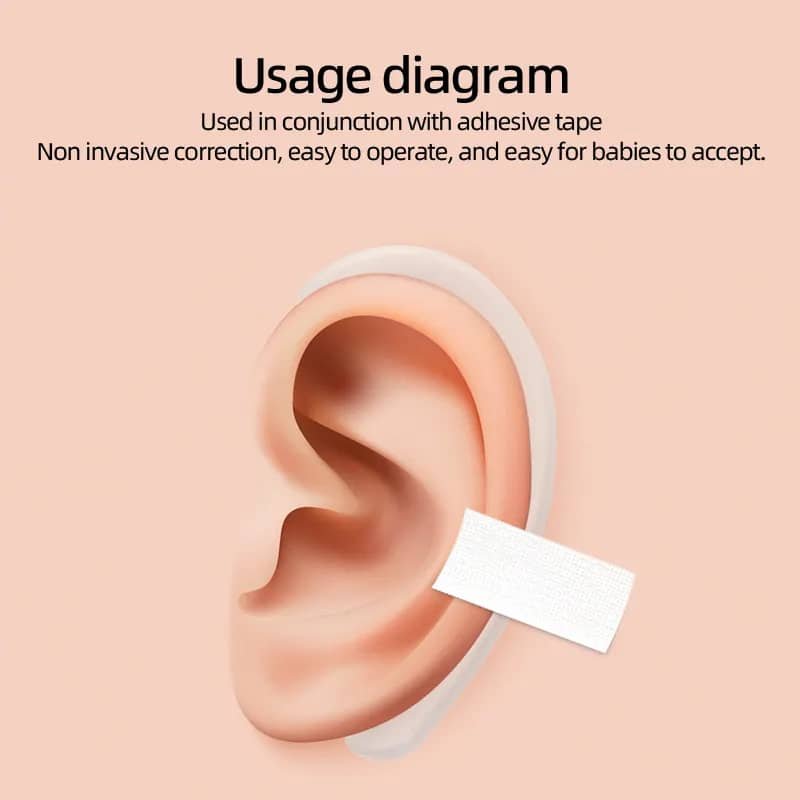
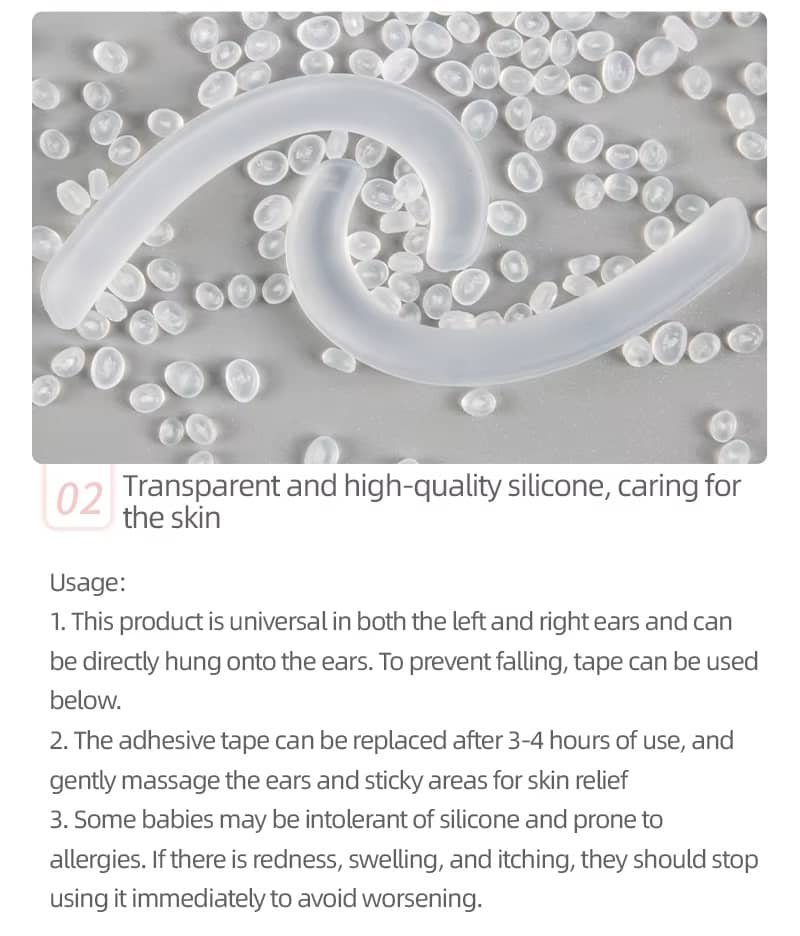
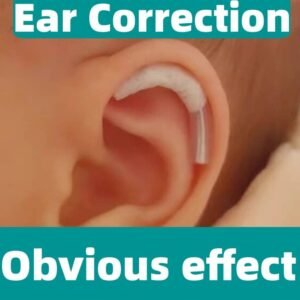
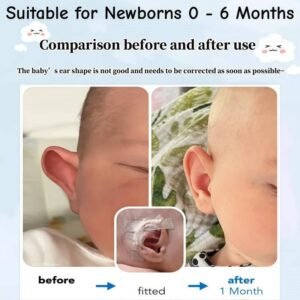
1. 【No Discomfort】: Ear corrector are made of soft silicone material that is low in allergy, breathable, and skin-friendly.
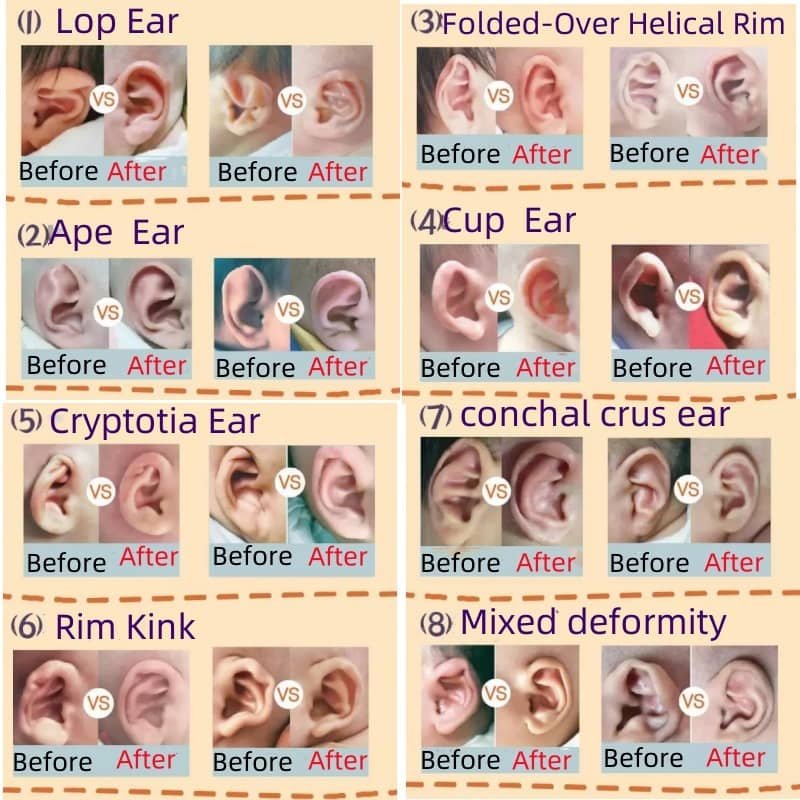
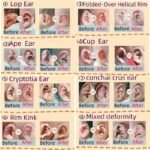
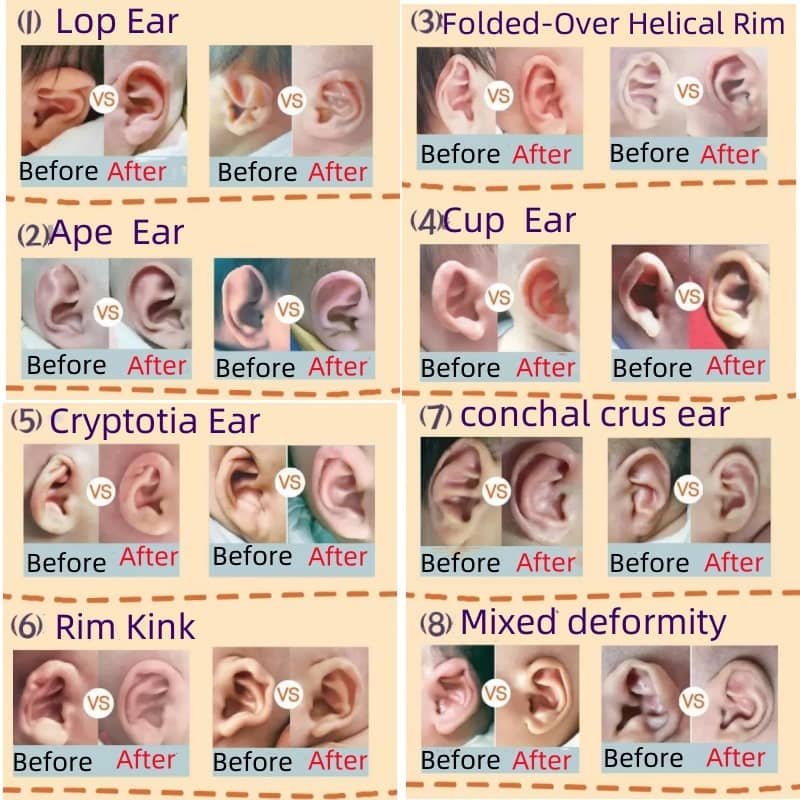
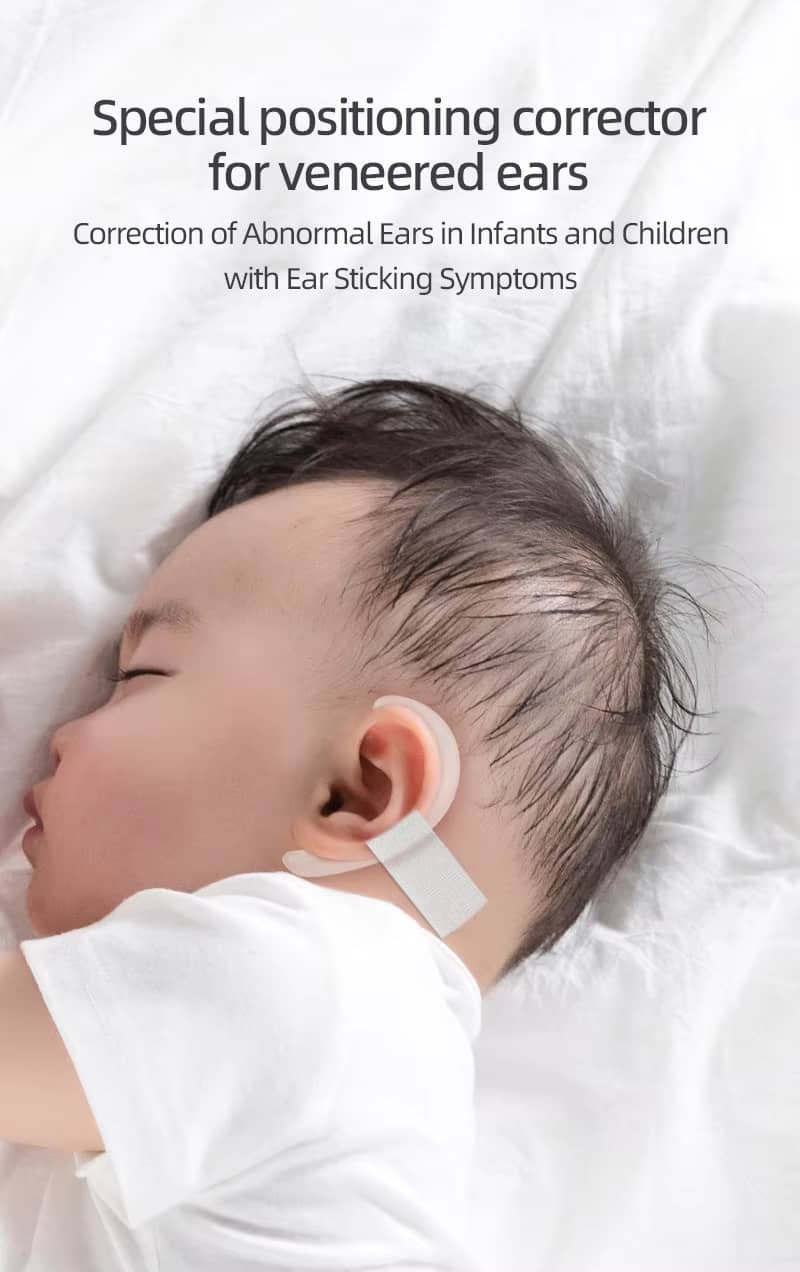
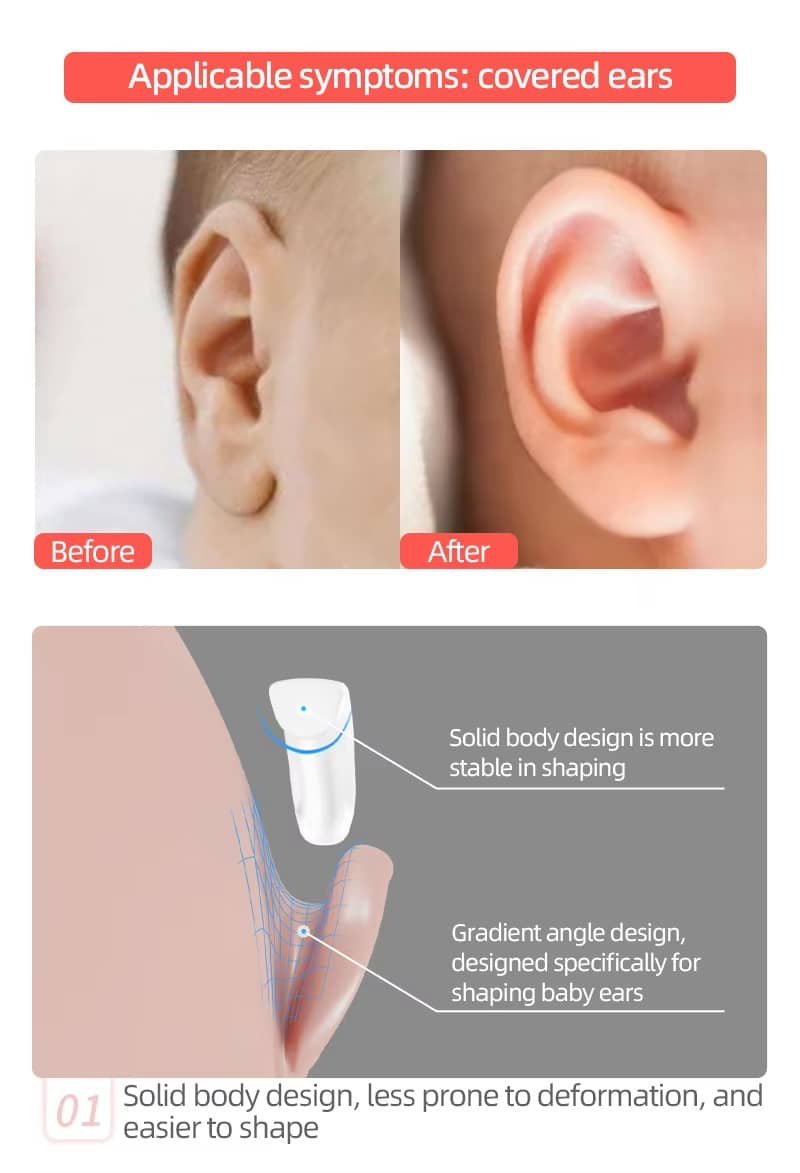
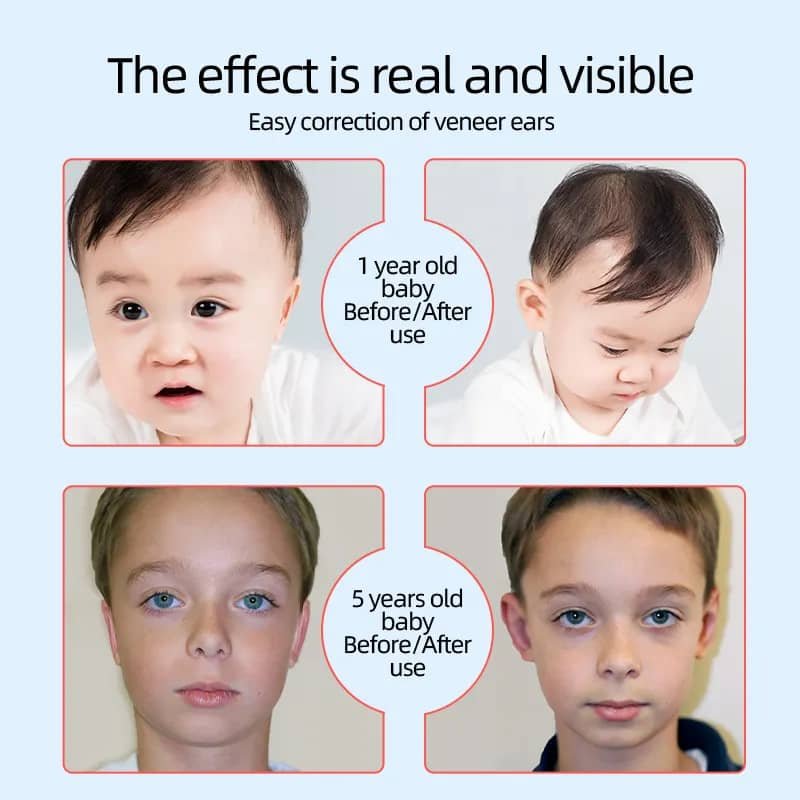
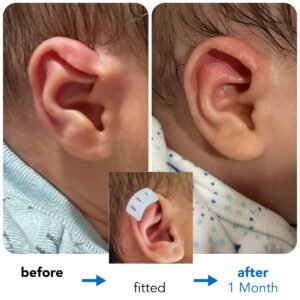
2. 【Good effect】: It can effectively correct various ear deformities..
3. 【Online Guidance Service】: If you have any questions about how to use it, please consult us, and we will assist you in wearing it properly.
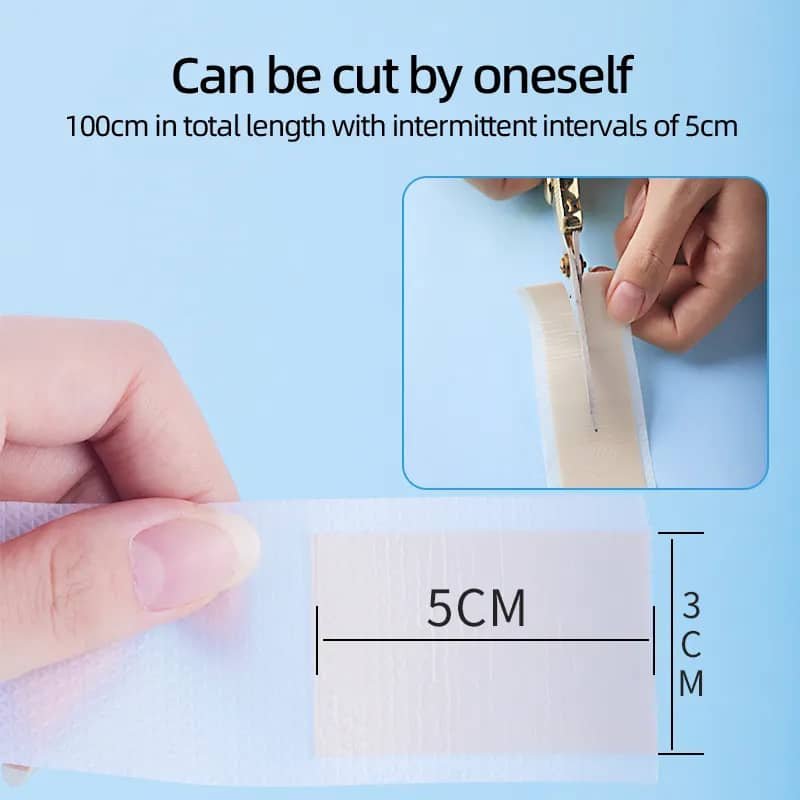
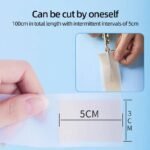
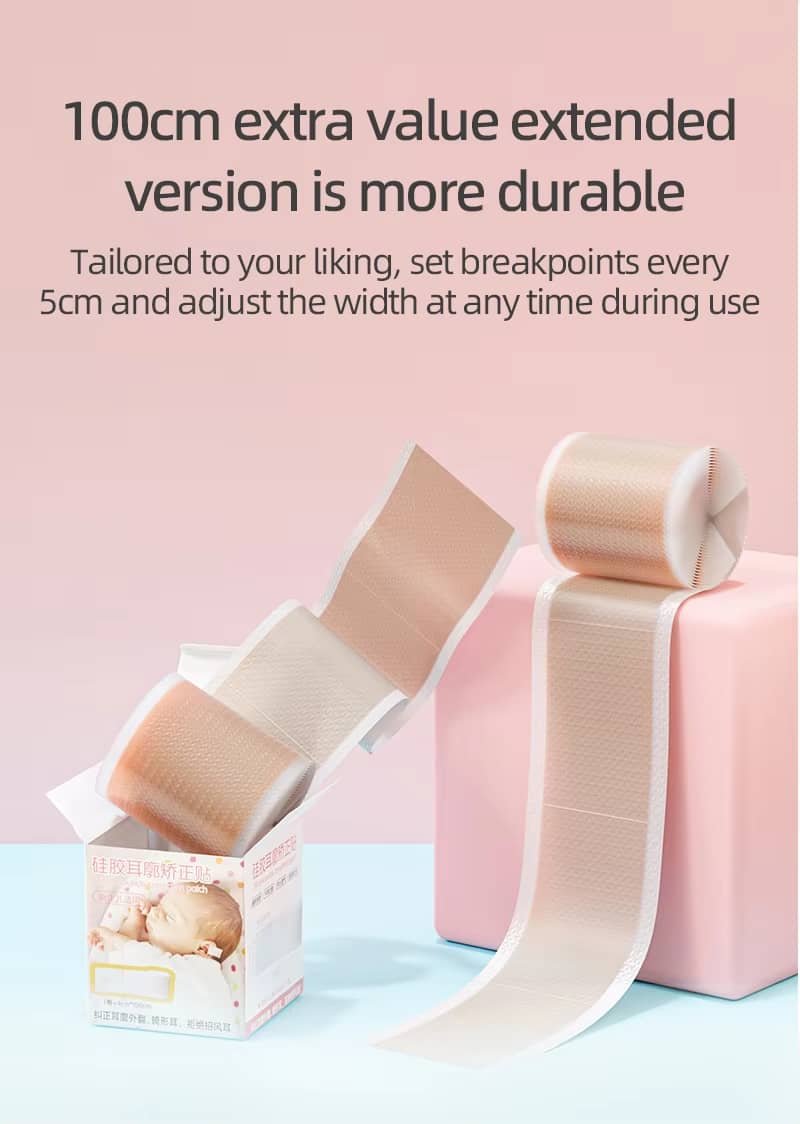
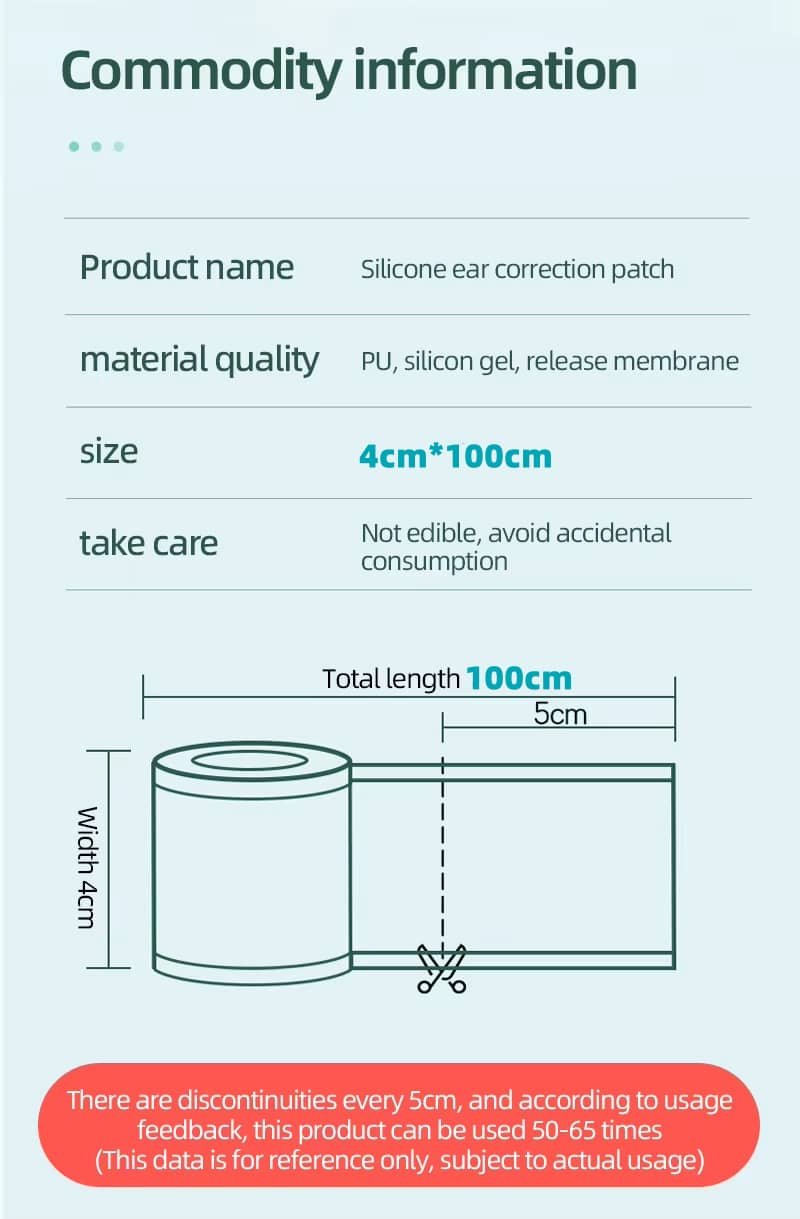
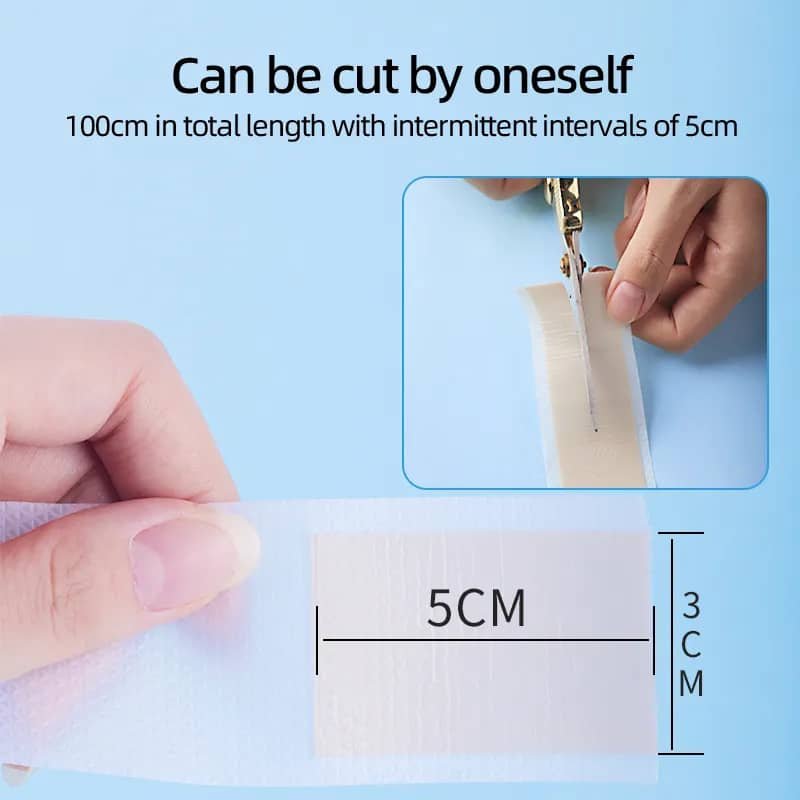
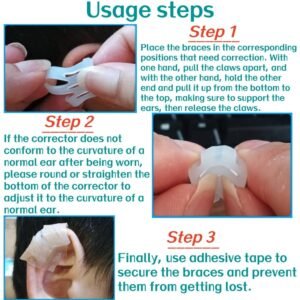
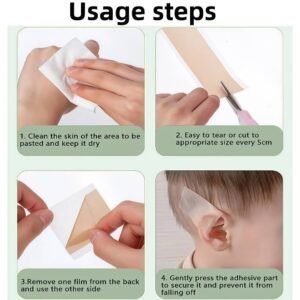
4. 【Self-Cutting Feature】: Ear corrector stickers can be self-cut to fit larger or smaller sizes as needed.



17 reviews for Lop Ear Corrector Tape, Cryptotia Deformity Correction
You must be logged in to post a review.
Do ear deformities correct themselves?
The arrival of a newborn is a time of immense joy, but it can also be filled with anxiety, especially for parents who notice that their baby’s ears appear misshapen. A common, hopeful question arises: "Will this fix itself?" The answer is nuanced. While a small subset of very mild deformities might improve on their own, the vast majority of infant ear deformity cases will not spontaneously resolve. Relying on the hope of self-correction can unfortunately cause parents to miss a critical window for simple, non-invasive treatment, potentially leaving their child to face future surgery or self-esteem issues.
The Two Types of Newborn Ear Issues: Deformations vs. Malformations
To understand the potential for self-correction, we must first distinguish between two types of ear anomalies:
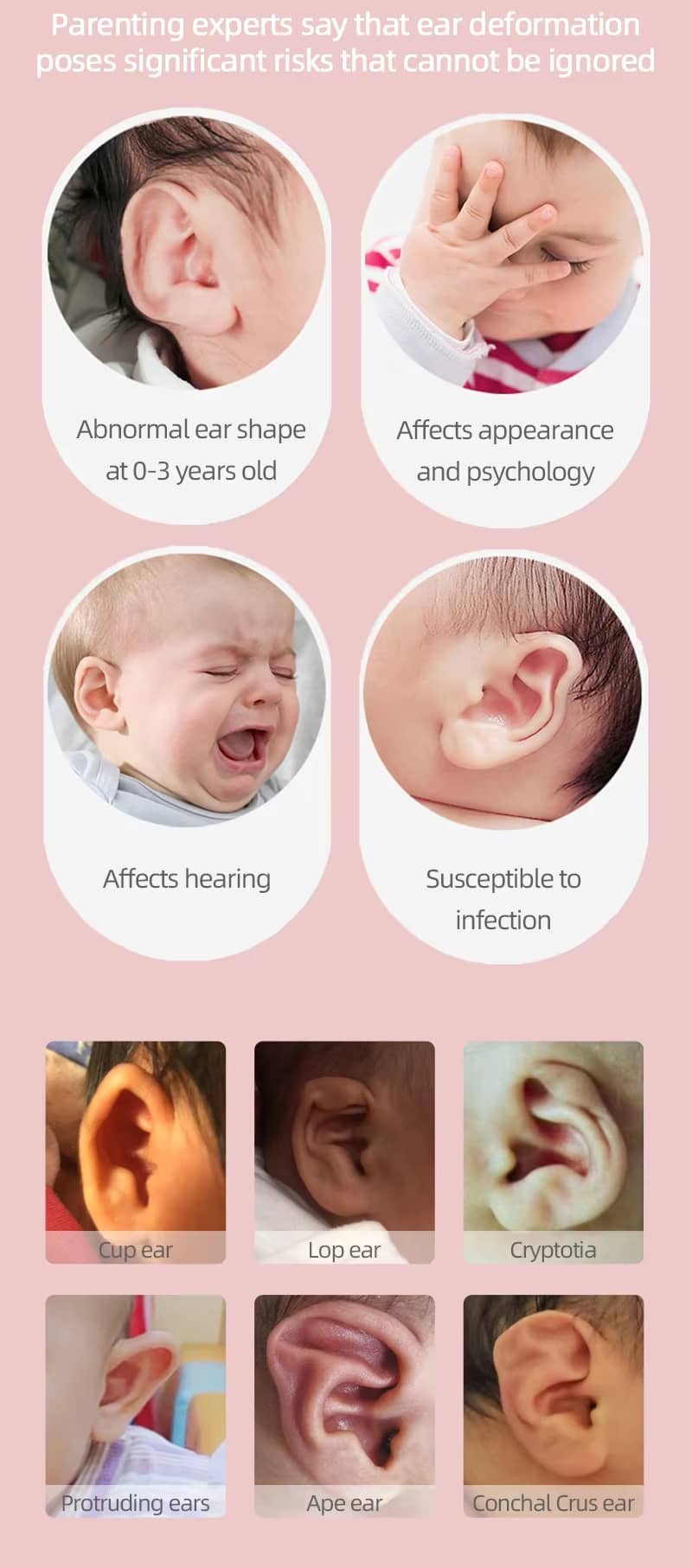
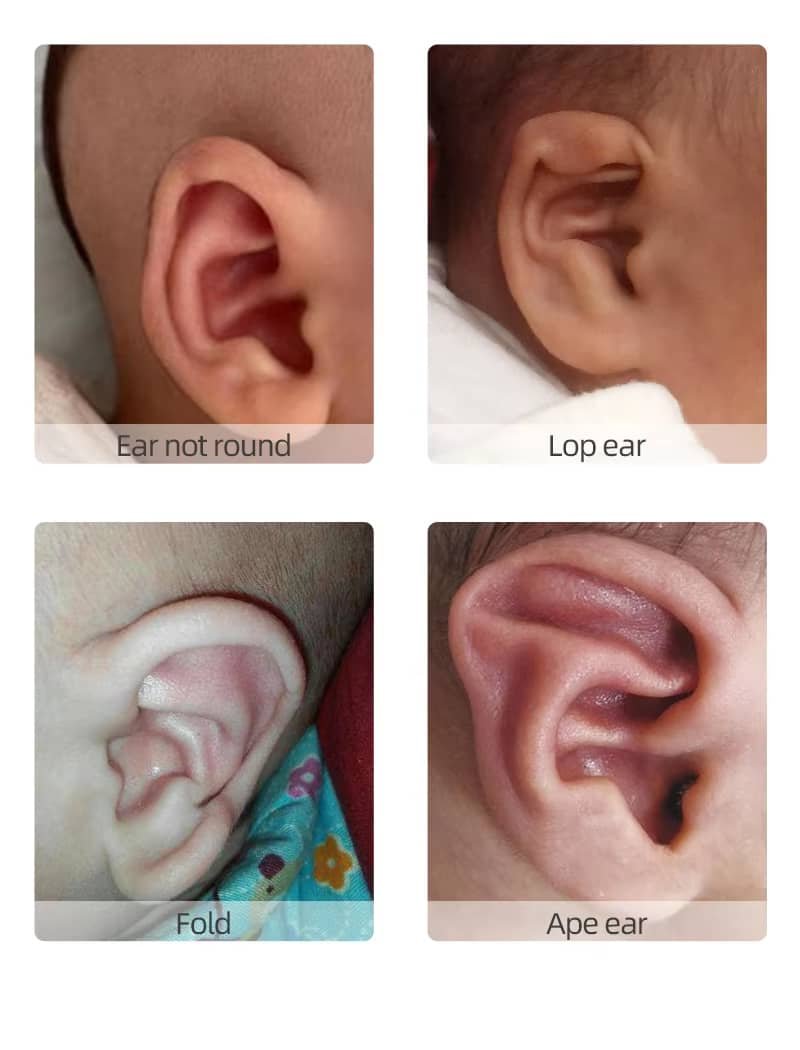
Deformations (The Most Common): These occur when a normally developed ear is misshapen due to external pressure in the womb (e.g., from the uterus wall, pelvic bone, or a twin) or during the birth process. The cartilage structure is complete but bent or folded. Examples include protruding ears (prominent ears), many constricted ears (cup ear or lop ear), Stahl's ear, and folded ear tips.
Malformations: These are rarer and involve the incomplete or abnormal development of the ear cartilage itself. The necessary tissue is not fully formed. Conditions like microtia (a underdeveloped ear) or anotia (absence of the ear) fall into this category. Malformations will not self-correct and almost always require complex reconstructive surgery later in life.
This article focuses on deformations, which represent the majority of cases parents might question.
The Myth of Self-Correction: Why Hope Isn't a Strategy
The belief that a deformed ear will "pop out" or reshape on its own is a pervasive myth. Cartilage has a "memory"; it wants to spring back to its misshapen form. While it's true that some mild folding caused by birth canal pressure may resolve within the first 48-72 hours as the swelling goes down, this is the exception, not the rule.
For a true deformation—such as a missing anti-helical fold causing protruding ears, a tight rim causing a constricted ear, or an extra fold causing Stahl's Ear—the internal structure of the cartilage is set. Without intervention, that shape is permanent. The idea that a child will "grow into their ears" is anatomically unfounded. In fact, as a child grows, prominent ears can become more, not less, noticeable.
Relying on self-correction is a gamble with the highest stakes: your child’s future well-being. Studies have shown that children with prominent ears are often subject to teasing and bullying, which can impact self-esteem and social development. Choosing to wait and see can mean closing the door on a simple, non-surgical solution.
The Proven Solution: Harnessing the "Golden Window"
Instead of hoping for self-correction, medicine offers a proven, highly effective solution: infant ear molding. This technique leverages a unique biological opportunity. Newborns have high levels of maternal estrogen in their system, which makes their ear cartilage exceptionally soft and malleable for several weeks after birth.
This creates a "golden window" for intervention, typically the first three months of life, with the most dramatic results achieved when treatment begins within the first two weeks. During this time, a specialist can use a newborn ear corrector system, like the EarWell® Infant Ear Correction System, to permanently reshape the cartilage.
How Professional Infant Ear Molding Works:
This is not a simple DIY product. A clinician affixes a soft, external shell to the baby’s head. Inside, a system of ear corrector tape, conformers, and gentle ear corrector clip-like mechanisms applies precise, constant pressure to guide the growth of the soft cartilage into a normal shape. This process, over 4-6 weeks, can achieve complete infant ear correction for conditions like:
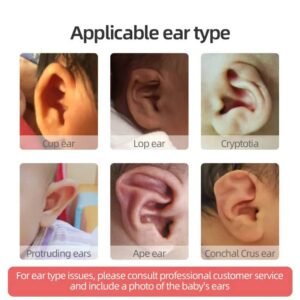
Protruding ear corrector needs
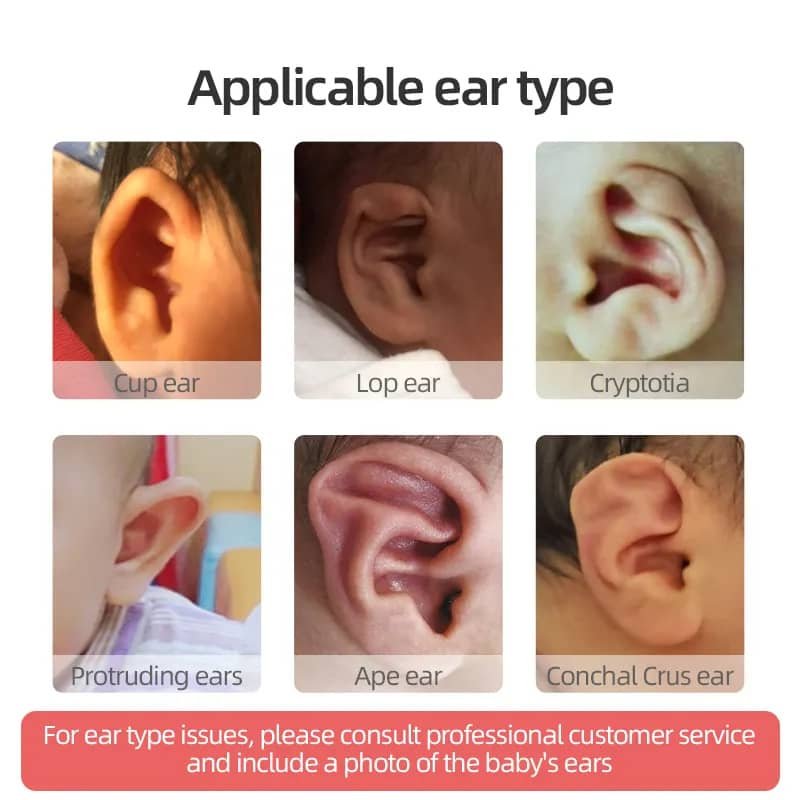
Cup ear deformity correction
Lop ear deformity correction
Stahl's Ear
Cryptotia (hidden ear)
Earlobe deformities
The success rate of professional infant ear molding initiated early is over 90%. It is the only true alternative to waiting for surgery later in life.
The Danger of DIY and False "Ear Correctors"
Recognizing parental concern, a market of cheap, over-the-counter solutions has emerged online. Products like ear corrector stickers, generic ear corrector tape, and basic ear corrector clip devices are marketed with bold claims. It is crucial to understand that these are not the same as medically supervised treatment.
They Are Largely Ineffective: These products lack the customizability and precision of a professional system. They may address one part of the ear but neglect others, leading to incomplete or failed correction.
They Pose Safety Risks: The adhesives can irritate and damage a newborn’s delicate skin, causing rashes, blisters, and sores. Loose parts can present a choking hazard.
They Waste Precious Time: The greatest risk is that parents will use an ineffective DIY ear corrector for babies for several weeks, only to find it hasn’t worked. By then, the golden window may have closed, and the opportunity for non-surgical ear corrector baby treatment is lost forever.
Ear correctors for adults are an entirely different and equally misleading concept, as adult cartilage is hardened and cannot be reshaped by external pressure.
Conclusion: Action, Not Hope, is the Answer
So, do ear deformities correct themselves? The evidence-based answer is a clear and definitive no, they do not. While hope is a natural parental instinct, it is not a viable medical strategy for an ear deformity newborn.
The journey from concern to resolution is straightforward:
Consult Early: If you notice an infant ear deformity, speak to your pediatrician immediately—ideally within the first week of life.
Seek a Specialist: Request a referral to a specialist experienced in infant ear molding.
Act Decisively: If recommended, proceed with a professional Infant ear corrector system. This simple, painless process can permanently correct the shape of your baby’s ear, saving them from potential future surgery and psychological distress.
Choosing proactive, medical-grade infant ear correction is one of the most impactful gifts a parent can give. It replaces the anxiety of "wait and see" with the certainty of a proven, successful outcome.
Recovering from knee surgery is a journey that requires patience, dedication, and meticulous care. One of the most critical aspects of this process is keeping the surgical site or cast completely dry to prevent infections, skin irritation, and other complications. Whether you’re dealing with a post-surgical dressing, a knee cast, or a wound, waterproof protection is essential for maintaining hygiene and ensuring a smooth recovery. This comprehensive guide explores the various types of waterproof cover for knee after surgery, including the knee cast cover for shower, waterproof knee cover for shower, and waterproof knee cast protector. We’ll also discuss the benefits of using a waterproof knee shower protector and how to choose the right waterproof knee protector for your needs. By the end of this article, you’ll have the knowledge to make an informed decision, empowering you to navigate your recovery with confidence and ease.
The Importance of Keeping Your Knee Dry After Surgery
After knee surgery, the incision site or cast must remain dry to avoid complications such as:
Infection: Moisture can create a breeding ground for bacteria, leading to infections that delay healing.
Skin Maceration: Prolonged exposure to water can cause the skin to become soft, wrinkled, and prone to breakdown.
Cast Damage: Traditional plaster casts can weaken or disintegrate when wet, compromising their support and stability.
Discomfort: A wet dressing or cast feels heavy, cold, and uncomfortable, adding unnecessary stress to your recovery.
For these reasons, healthcare professionals strongly advise against exposing your knee to water during activities like showering or bathing. However, avoiding water entirely for weeks or even months is impractical and can negatively impact your quality of life. This is where waterproof knee protectors come into play. These devices are designed to create a secure, impermeable barrier around your knee, allowing you to shower or even engage in water-based therapy without worry.
Types of Waterproof Knee Protectors
Waterproof knee protectors come in various designs, each tailored to specific needs and levels of water exposure. Understanding the differences will help you choose the right product for your situation.
Shower Protectors
Knee Cast Cover for Shower: This type of protector is designed for short-term use during showers. It typically features an adjustable seal at the top and bottom to fit snugly around your thigh and calf, preventing water from seeping in. Made from durable PVC or TPU, it’s reusable and easy to clean.
Waterproof Knee Cover for Shower: Similar to the cast cover, this product focuses on protecting post-surgical dressings or wounds. It often includes a transparent window for monitoring the incision site without removing the cover.
Waterproof Knee Shower Protector: This is a broader term encompassing any protector designed for shower use. These products are lightweight, user-friendly, and ideal for daily hygiene.
Heavy-Duty Protectors
Waterproof Knee Cast Protector: Built for more demanding activities, such as swimming or prolonged water exposure, this protector is made from thicker, more resilient materials. It often includes double-seal technology or vacuum pumps to ensure a completely watertight seal. This type is essential for aquatic therapy or if you enjoy swimming during your recovery.
Waterproof Knee Protector: This versatile option can be used for both showering and swimming. It balances durability with comfort, making it a popular choice for those who need reliable protection in various scenarios.
Specialized Protectors
Waterproof Cover for Knee After Surgery: This product is specifically designed for post-surgical patients. It may include features like soft inner liners to prevent chafing, adjustable straps for a customized fit, and hypoallergenic materials to avoid skin irritation. Some models are also designed to accommodate braces or bandages.
Key Features to Look For
When selecting a waterproof knee protector, consider the following features to ensure optimal performance and comfort:
Secure Seal: Look for protectors with silicone or latex-free elastic seals that create a tight barrier without cutting off circulation. A good seal is the most critical factor in preventing leaks.
Durable Material: High-quality protectors are made from medical-grade PVC, TPU, or nylon. These materials are not only waterproof but also resistant to tearing and punctures.
Adjustability: Straps or adjustable seals allow you to customize the fit, ensuring compatibility with different leg sizes and cast thicknesses.
Ease of Use: If you have limited mobility, choose a protector that is easy to put on and remove. Wrap-around designs with adhesive strips or zippers are often more manageable than slip-on models.
Comfort: Soft edges and breathable materials reduce the risk of skin irritation, especially during extended use.
Reusability: Most protectors are reusable. Check the manufacturer’s guidelines for cleaning and maintenance to prolong the product’s lifespan.
How to Use a Waterproof Knee Protector
Using your protector correctly is essential for preventing leaks and ensuring its effectiveness. Follow these steps:
Inspect the Protector: Before each use, check for any signs of damage, such as tears or holes. Ensure the seals are clean and free from debris.
Prepare Your Skin: The area where the seal will contact your skin should be dry and free of lotions or oils, which can compromise the seal.
Apply the Protector: Gently roll or slide the protector over your knee, ensuring it covers the entire cast or dressing. If it’s a wrap-style design, secure the adhesive strips or straps firmly.
Test for Leaks: For added peace of mind, test the protector by spraying water over it while your leg is in a dry area (e.g., over a sink). Check inside for moisture.
Dry Thoroughly: After use, remove the protector, dry the exterior, and allow the interior to air dry completely before storing it.
Benefits of Using a Waterproof Knee Protector
Investing in a high-quality waterproof knee protector offers numerous benefits:
Peace of Mind: Shower or swim without anxiety about water damaging your cast or incision.
Faster Recovery: By keeping the surgical site dry, you reduce the risk of infections and other complications, promoting faster healing.
Improved Hygiene: Maintain your regular shower routine, which is essential for physical and mental well-being during recovery.
Cost-Effectiveness: Reusable protectors are more economical than repeatedly visiting healthcare providers for cast changes due to water damage.
Therapeutic Advantages: For those prescribed aquatic therapy, a reliable protector enables you to participate in low-impact exercises that accelerate rehabilitation.
Choosing the Right Protector for Your Needs
Selecting the right protector depends on several factors:
Type of Surgery: If you have a simple dressing, a basic shower protector may suffice. For more complex procedures or casts, opt for a heavy-duty model.
Activity Level: If you only need to shower, a standard waterproof knee cover for shower is adequate. For swimming or water therapy, choose a waterproof knee cast protector.
Comfort Requirements: If you have sensitive skin, look for protectors with hypoallergenic materials and soft seals.
Budget: While high-end models offer advanced features, many affordable options provide reliable protection. Read reviews to find a product that balances cost and quality.
Additional Tips for Knee Surgery Recovery
Beyond using a waterproof protector, here are some general tips to enhance your recovery:
Follow Medical Advice: Adhere to your doctor’s instructions regarding weight-bearing, physical therapy, and medication.
Elevate Your Leg: Reduce swelling by keeping your knee elevated above heart level whenever possible.
Monitor for Complications: Watch for signs of infection, such as increased pain, redness, swelling, or fever, and contact your healthcare provider immediately if they occur.
Stay Positive: Recovery can be challenging, but maintaining a positive mindset and focusing on small milestones can make the process more manageable.
Conclusion
A waterproof cover for knee after surgery is an indispensable tool for anyone navigating the recovery process. Whether you choose a knee cast cover for shower, a waterproof knee cover for shower, or a heavy-duty waterproof knee cast protector, these products provide the security and freedom to maintain your daily routines without compromising your healing. By understanding the different types of protectors and their features, you can select the right one for your needs, ensuring a drier, more comfortable, and successful recovery. Remember, investing in a quality waterproof knee shower protector is an investment in your health and well-being, allowing you to focus on what truly matters—getting back to your active life.
Farideh –
I’ve been wearing it for half a month, and it’s very effective. It’s a small investment for a big result.
Gibsam –
The correctores are really easy to put on and to remove
Jby –
They seem to work
Cristina Rosario –
These work great! Been using them for my daughter’s protruding ears instead of earwells. They stay on for 10 days easily.
Rosario –
They were the most discrete and effective choice for us.
Azwar Hasan –
seems working fine
Sandra Rivera –
My baby’s ear was folded when she was born. I thought over time it was going to go back to normal or match the other ear, but that didn’t happen. I order this and gave them a try. Right now my daughter is wearing it and I have showered her and it still in place. I hope this fix her ear from sticking out.
Hana A Abuzeid –
It’s really helping with my babies ears
alexander sepulveda –
Saw a lot of mixed reviews but so far so good.. seem to be sticking well & it’s been about five days already. Can’t say how good the effects will be yet but seem to be holding ears back in place well.
Francisco Rondon –
Like it,I used this product since my girl had 8 months…she is 7 now it works,you have to be constantly.
neilyn –
Like it,I used this product since my girl had 8 months…she is 7 now it works,you have to be constantly.
Adriana Sandoval –
So far so good, working on my little one. Going to purchase another set!!
Stasha_Pierce –
My baby ear is way better with this product than with an European one I got that did not help her cause. Buy it won’t regret it
Liss Baca –
This works really well for me. They are a bit pricey but worth it as I like to wear my hair up and unable to do so without them! They last up to a week with hair washing and bathing if applied correctly
Harley –
Love them. They work well and if positioned right won’t hurt your ear.
Kristyn Mitchell –
I absolutely love these. It’s given me the confidence to wear different hair styles without being insecure or embarrassed. I can’t Express how much I love this product. I only wish I’d found it sooner. They stay on pretty well too if you use rubbing alcohol to clean the area first. I have to peel them off after a week so they work for me. I like them so much that I ordered 2 packs last time. Game changer.
Elena –
These are the best! I use them all the time, comfortable, easy to put on and great value