
Are Heated Neck Massagers Safe? A Comprehensive Safety Analysis

In recent years, heated neck massagers have surged in popularity, offering promise for those seeking relief from chronic neck pain, muscle tension, and stress. From sophisticated neck massager with heat units to convenient pendant neck massager designs, these devices are increasingly common in homes and offices. However, many consumers rightly wonder: are heated neck massagers safe? This comprehensive examination addresses safety concerns, benefits, proper usage guidelines, and specific considerations for different types of heating massage devices.
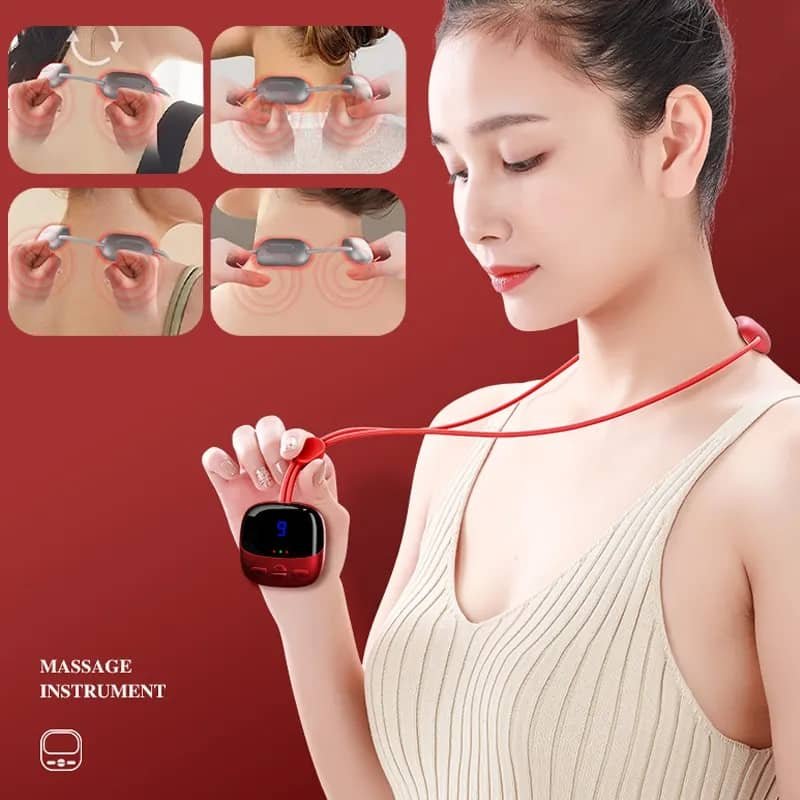
Pendant Portable EMS Neck Massager with Heat Mini Cervical Massager 3
Understanding Heated Neck Massager Technology
Heated neck massagers combine thermal therapy with various massage techniques to provide dual therapeutic benefits. These devices typically incorporate:
Heating Elements:
Carbon fiber heating panels
Infrared heating technology
Ceramic heating elements
Low-voltage electrical heating systems
Safety Mechanisms:
Automatic shut-off timers (usually 15-20 minutes)
Overheat protection sensors
Temperature regulation systems
Insulated wiring and housing
Massage Technologies:
Vibration motors for oscillation massage
Shiatsu rotating nodes for deep tissue manipulation
EMS (Electrical Muscle Stimulation) technology
Air compression technology for kneading action
General Safety Profile of Heated Massagers
When used properly, most modern heated neck massagers are designed with multiple safety features:
Built-in Safety Protocols:
Automatic temperature regulation prevents overheating
Timer functions limit session duration
Quality insulation protects against electrical hazards
Low-voltage operation minimizes shock risk
Manufacturing Standards:
FDA registration for medical devices
CE certification for European markets
RoHS compliance for hazardous substance restrictions
UL/ETL certification for electrical safety
Potential Risks and Safety Concerns
Despite general safety, several potential risks require consideration:
Thermal Risks:
Skin burns from excessive heat
Thermal discomfort for heat-sensitive individuals
Overheating of device components
Fire hazard with malfunctioning units
Physical Risks:
Muscle strain from intense massage
Pressure discomfort on cervical spine
Entanglement risk with corded models
Weight strain with heavier units
Electrical Risks:
Shock hazard with damaged cords
Short circuit potential
Battery issues in cordless models
Charging-related risks
Device-Specific Safety Considerations
Pendant Neck Massager Safety:
Ensure proper weight distribution
Check necklace clasp security
Verify heat distribution uniformity
Monitor battery temperature during use
EMS Neck Massager Precautions:
EMS neck massager devices require special caution
Avoid use with electronic implants
Don’t use on numb or insensitive areas
Follow electrode placement guidelines carefully
Portable Device Considerations:
EMS portable neck massager units need proper storage
Portable mini cervical massager devices require careful handling
Battery maintenance is crucial for safety
Travel considerations for airport security
Population-Specific Safety Guidelines
Generally Safe For:
Most healthy adults without skin conditions
Individuals with muscle tension without underlying pathology
Those without heat sensitivity issues
People without electronic medical devices
Require Medical Consultation:
Diabetic patients with reduced sensation
Individuals with circulatory disorders
People with skin conditions or sensitivities
Those with cancer or recent surgeries
Absolute Contraindications:
Open wounds or broken skin
Deep vein thrombosis
Pregnancy (particularly abdominal use)
Severe osteoporosis or bone fragility
Proper Usage Guidelines for Safety
Pre-Use Safety Checks:
Inspect device for damage before each use
Check electrical cords for fraying or damage
Ensure proper charging for cordless models
Read manufacturer instructions thoroughly
During Use Precautions:
Start with lowest heat and intensity settings
Limit sessions to recommended duration
Never use while sleeping or drowsy
Discontinue immediately if pain occurs
Post-Use Safety:
Allow device to cool before storage
Clean according to manufacturer instructions
Store in dry, temperature-controlled environment
Charge according to recommended guidelines
Comparing Heat Therapy Modalities
Traditional vs. Modern Heat Therapy:
Heating pads vs. neck massager with heat
Manual massage vs. mini cervical massager
Professional treatment vs. portable mini cervical massager
Static heat vs. pulsating thermal therapy
Technology-Specific Benefits:
Pendant neck massager: Hands-free convenience
EMS portable neck massager: Combined electrical and thermal therapy
Mini neck massager: Targeted localized treatment
Neck massager with heat: Comprehensive relaxation approach
Recognizing and Addressing Problems
Warning Signs to Discontinue Use:
Skin redness that persists after removal
Pain or discomfort beyond mild warmth
Electrical buzzing or sparking
Unusual odors during operation
Device overheating during use
Emergency Response:
Remove device immediately if discomfort occurs
Unplug electrical devices during malfunctions
Seek medical attention for burns or injuries
Contact manufacturer for device issues
Quality Indicators and Red Flags
Signs of Quality Devices:
Clear safety certifications and markings
Detailed instruction manuals
Manufacturer contact information
Warranty and support options
Positive user reviews and ratings
Warning Signs of Poor Quality:
Missing safety certifications
Vague or translated instructions
No manufacturer contact information
Extremely low prices compared to similar products
Poor construction quality
Children and Elderly Considerations
Children:
Generally not recommended for young children
Teen use only with adult supervision
Extra caution with heat settings
Emphasis on non-heated options first
Elderly Users:
Reduced skin sensitivity requires caution
Lower heat settings recommended
Shorter session durations advised
Additional padding may be necessary
Maintenance for Ongoing Safety
Regular Maintenance:
Weekly inspection of cords and components
Regular cleaning of contact surfaces
Proper storage to prevent damage
Battery care for cordless models
Long-term Care:
Replacement of worn electrodes
Battery replacement when needed
Software updates for smart devices
Professional inspection if available
Environmental and Usage Considerations
Appropriate Environments:
Dry, indoor settings optimal
Avoid use in bathrooms or wet areas
Stable surfaces for device operation
Adequate ventilation during use
Inappropriate Environments:
Areas with water exposure
High humidity conditions
Extreme temperature environments
Unstable or moving surfaces
Integration with Other Therapies
Complementary Safe Practices:
Gentle stretching after heat therapy
Proper hydration during use
Posture awareness integration
Stress management techniques
Potentially Risky Combinations:
Topical pain creams with heat therapy
Multiple electrical devices simultaneously
Heat therapy after intense exercise
Combining with other heat sources
Emergency Preparedness
First Aid for Minor Issues:
Cool burns with running water
Clean minor skin irritations
Rest strained muscles
Monitor for delayed reactions
Emergency Contacts:
Poison control for electrical exposure
Emergency services for serious injuries
Manufacturer customer service
Medical provider for health concerns
Conclusion: Balanced Perspective on Safety
Heated neck massagers are generally safe for most users when proper precautions are followed. The key to safe usage lies in:
Essential Safety Practices:
Choose quality devices with proper certifications
Follow manufacturer instructions carefully
Start conservatively with low settings
Listen to your body’s responses
Seek professional guidance when needed
Final Recommendations:
Consult healthcare providers for specific medical conditions
Invest in quality devices from reputable manufacturers
Use as part of a comprehensive wellness approach
Regular maintenance ensures ongoing safety
When in doubt, err on the side of caution
While heated neck massagers offer significant benefits for muscle relaxation and pain relief, they are not without potential risks. By understanding these risks and implementing proper safety practices, most users can safely enjoy the benefits of thermal massage therapy.
Remember that individual responses vary, and what is safe for one person may not be appropriate for another. Always prioritize safety over convenience, and don’t hesitate to seek professional advice when uncertain about proper usage. With careful attention to safety guidelines, heated neck massagers can be a valuable and safe addition to your wellness routine.
Related topics:
Beyond the Bonus: Cultivating Culture with Thoughtful Corporate Gifts for Employees
https://timebusinessnews.com/beyond-the-paycheck-unpacking-the-anatomy-of-a-truly-meaningful-employee-reward/
How to Personalize Your Tungsten Ring: Inlays, Finishes, and Designs