
Are Neck Massagers Good for Arthritis?

Living with arthritis is a daily exercise in managing discomfort and seeking relief. While the condition is most commonly associated with the hands, knees, and hips, the cervical spine—the intricate network of bones, discs, and joints in your neck—is a frequent and often debilitating site for arthritic pain. Cervical spondylosis, essentially arthritis of the neck, affects millions, causing stiffness, aching, headaches, and a reduced range of motion. In the quest for relief, many turn to technology, specifically the burgeoning market of electronic neck massagers. But are these devices truly good for arthritis, or could they potentially cause harm? This article delves into the science, the benefits, the precautions, and the different types of devices—from the pendant neck massager to the advanced EMS portable neck massager—to help you make an informed decision.
Understanding Arthritis in the Neck
Before evaluating the tools, it’s crucial to understand the enemy. Arthritis in the neck, or cervical osteoarthritis, is a degenerative condition. Over time, the cartilage that cushions the vertebrae wears down. Bones begin to rub against each other, leading to pain, inflammation, and the development of bone spurs (osteophytes). This process can pinch nerves or even the spinal cord, leading to radiating pain, numbness, or weakness in the shoulders, arms, and hands.
The goals of managing cervical arthritis are to:
Reduce pain and inflammation.
Improve flexibility and range of motion.
Strengthen supporting muscles.
Prevent further degeneration.
This is where targeted therapy, like massage, comes into play.
The Therapeutic Benefits of Massage for Arthritis
Massage therapy, when performed correctly, offers several evidence-backed benefits for arthritic conditions:
Increased Blood Flow: Massage stimulates circulation, delivering oxygen and nutrient-rich blood to stiff, aching muscles and joints while flushing out inflammatory toxins and metabolic waste products.
Reduced Muscle Tension: Arthritic pain often leads to protective muscle guarding—where surrounding muscles tense up to splint and protect the painful joint. This creates a vicious cycle of pain and stiffness. Massage helps to break this cycle by relaxing these hypertonic muscles.
Improved Flexibility: By relaxing muscles and breaking down soft tissue adhesions, massage can gently increase the range of motion in the neck, making daily movements less painful.
Endorphin Release: Massage promotes the release of endorphins, the body’s natural painkillers, which can provide a significant, albeit temporary, reduction in the perception of pain.
The Rise of the Modern Neck Massager: A Tool for Relief
While professional massage is excellent, it’s not always accessible or affordable for daily use. This has led to the explosion of personal massagers designed for the neck and shoulders. They come in various forms, each with its own mechanism of action.
1. The Pendant Neck Massager and Mini Massagers
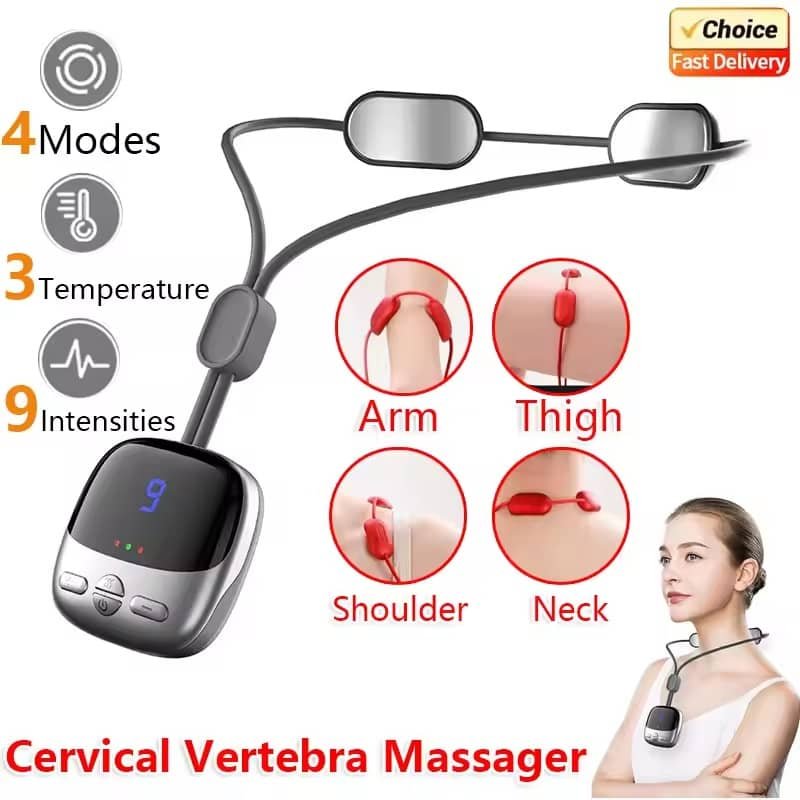
The pendant neck massager is a popular design that sits on the shoulders like a U-shaped scarf or pillow. Many of these devices are also categorized as a mini neck massager or mini cervical massager due to their compact, lightweight design. The primary mechanism here is often percussion or vibration.
How they work: These devices use small motors to create deep, rhythmic tapping or vibrating sensations across the trapezius and paraspinal muscles.
Benefits for Arthritis: The vibration can be excellent for relieving surface-level muscle tension and spasm that accompanies arthritic pain. It’s a good option for a soothing, general massage that promotes relaxation and increases blood flow. The portable mini cervical massager variety is particularly appealing for its convenience, allowing users to get relief at their desk or while traveling.
2. The Neck Massager with Heat
Perhaps the most universally recommended feature for arthritis is heat. A neck massager with heat combines the mechanical benefits of massage with the therapeutic application of warmth.
How it works: Integrated heating pads warm the muscles before and during the massage session.
Benefits for Arthritis: Heat is a potent therapy. It dilates blood vessels, significantly improving circulation to the stiff joints. It helps to reduce muscle stiffness and soothe aching joints, making the subsequent mechanical massage more effective and comfortable. For arthritic individuals, a massager with heat is often a superior choice over one without.
3. The EMS Neck Massager
This is where technology gets more advanced. EMS stands for Electrical Muscle Stimulation. An EMS neck massager and its compact cousin, the EMS portable neck massager, use a different approach entirely.
How they work: These devices use adhesive electrodes placed on the skin to deliver low-frequency electrical impulses. These impulses mimic the signals from your central nervous system, causing your muscles to contract and relax involuntarily.
Benefits for Arthritis: The benefits are twofold. First, the rhythmic contractions provide a deep, intense massage that can reach muscles difficult to target with percussion. Second, and more importantly for arthritis, EMS can be used for muscle rehabilitation. For individuals whose pain has led to muscle weakness or atrophy, controlled EMS stimulation can help to re-educate and strengthen these supporting muscles without putting strain on the arthritic joints themselves. Stronger neck muscles provide better stability for the cervical spine, potentially reducing mechanical stress on the joints.
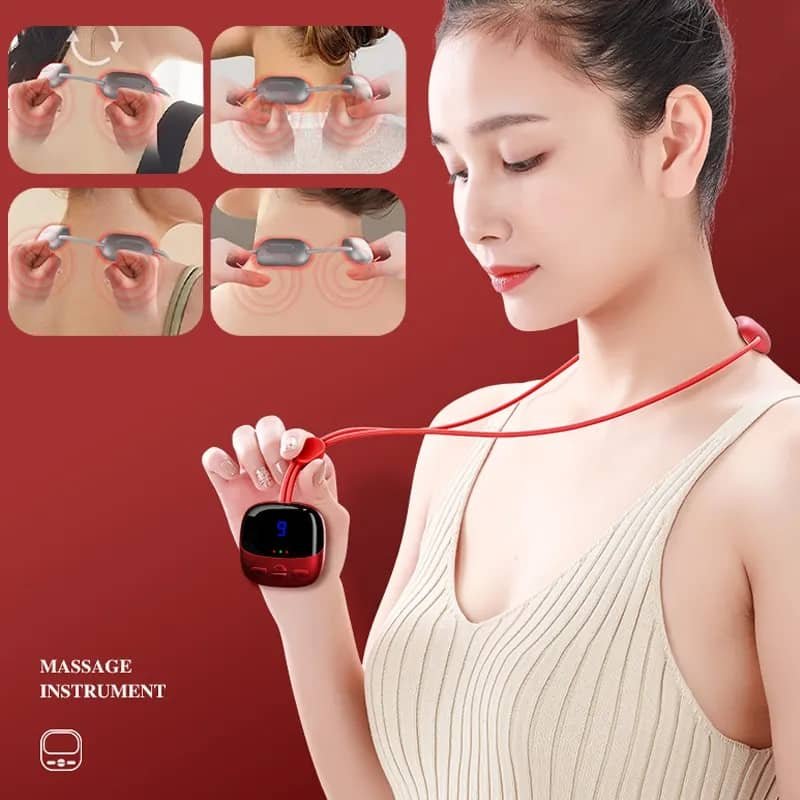
Pendant Portable EMS Neck Massager with Heat Mini Cervical Massager 3
Important Precautions and When to Avoid Use
While the potential benefits are significant, neck massagers are not without risk, especially for a degenerative condition like arthritis. It is imperative to consult with your doctor or a physical therapist before using any electrical massager.
Absolute Contraindications:
Acute Inflammation Flare-ups: Do not use any massager—especially heat or deep percussion—during a severe inflammatory flare. Heat can sometimes worsen inflammation.
Osteoporosis: Severe weakening of the bones means that even the pressure from a massager could potentially cause harm.
Recent Surgery or Injury: Avoid use unless explicitly cleared by your surgeon.
Numbness, Tingling, or Severe Nerve Pain: If you have significant radiculopathy (nerve pinching), a massager could aggravate the condition.
Certain Medical Conditions: Avoid use if you have a pacemaker, deep vein thrombosis, cancer in the area, or any skin infections.
General Guidelines for Safe Use:
Start Low, Go Slow: Always use the lowest intensity setting first and gradually increase only to a comfortable level. The goal is relaxation and relief, not pain.
Limit Session Time: Do not use the device for more than 15-20 minutes at a time on a given area.
Listen to Your Body: Pain is a signal. If any activity—including using a massager—causes sharp, shooting, or increased pain, stop immediately.
Avoid the Spine: Focus the massage on the muscular areas to the side and back of the neck, not directly on the spinal vertebrae.
The Verdict: A Valuable Tool with Caveats
So, are neck massagers good for arthritis? The answer is a cautious yes, they can be a highly beneficial part of a comprehensive pain management plan.
A pendant neck massager with vibration can soothe tense muscles.
A neck massager with heat is excellent for relieving stiffness and improving circulation.
An EMS portable neck massager offers the unique benefit of potentially strengthening weakened supportive muscles.
The key is to choose the right tool for your specific type of pain and to use it intelligently and cautiously. A mini cervical massager provides convenience for on-the-go relief, but it should never replace professional medical advice.
These devices are best viewed as partners in your wellness journey. They can provide daily relief and improve your quality of life, but they are not a cure. They work best when combined with other strategies: physical therapy exercises to maintain strength and flexibility, anti-inflammatory medications (if prescribed by your doctor), proper posture, and lifestyle modifications.
By understanding your condition and choosing your technology wisely, you can harness the power of a portable mini cervical massager or a heated EMS device to take an active role in managing your arthritic pain and reclaiming a sense of comfort and mobility.
Related topics:
Beyond the Bonus: Cultivating Culture with Thoughtful Corporate Gifts for Employees
https://timebusinessnews.com/beyond-the-paycheck-unpacking-the-anatomy-of-a-truly-meaningful-employee-reward/
How to Personalize Your Tungsten Ring: Inlays, Finishes, and Designs