
At What Age Can Ear Deformities Be Corrected?

The question of timing is perhaps the most critical factor in the successful correction of ear deformities. The answer is not a single age, but a timeline defined by a biological window of opportunity. The possibility of non-surgical correction, the techniques used, and the expected outcomes are all profoundly influenced by the patient’s age at the time of intervention.
This article will provide a comprehensive age-based guide to correcting ear deformities, from the non-surgical golden window of infancy to the reliable surgical options available later in life.
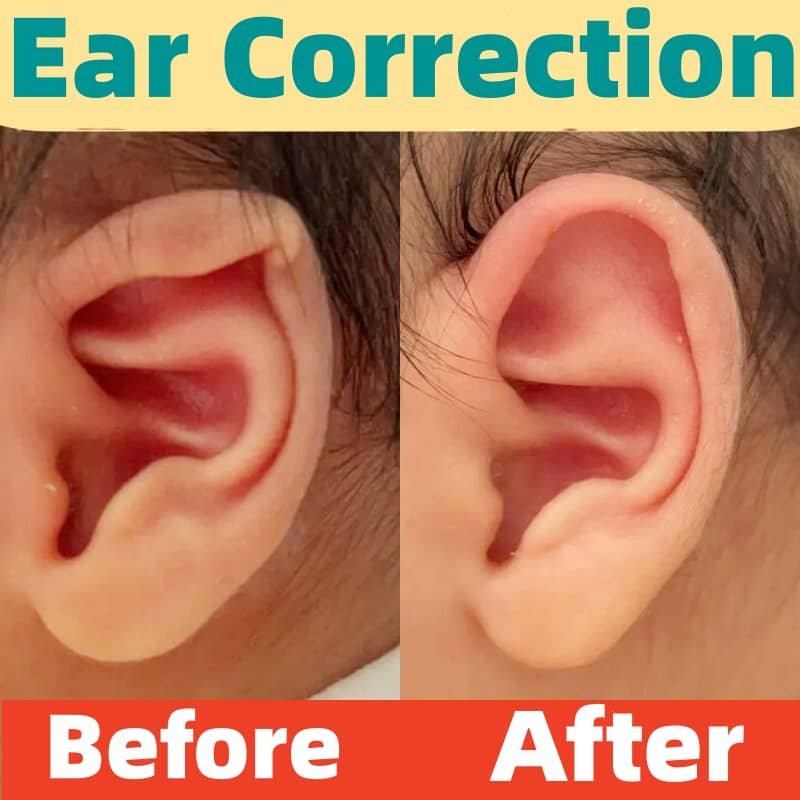
The Golden Window: Newborn to 8 Weeks (Non-Surgical Correction)
The most effective time to correct ear deformities is immediately after birth. During this period, a unique biological phenomenon allows for stunningly successful non-surgical treatment.
Why This Age is Ideal: The Role of Maternal Estrogen
A newborn has high levels of maternal estrogen in their system for the first several weeks of life. This hormone makes the cartilage throughout the body, including the ears, exceptionally soft, pliable, and responsive to molding. This window of plasticity is finite, typically beginning to close around 3 weeks of age and shutting firmly by 6-8 weeks as the estrogen levels drop and the cartilage starts to harden permanently.
The Procedure: Infant Ear Molding
The non-surgical technique used is called infant ear molding. A specialist (such as a pediatrician, dermatologist, or plastic surgeon) applies a Newborn ear corrector or Infant ear corrector system. This is not a simple piece of tape; it is a sophisticated medical device that often includes a soft framework, a silicone shell, and medical-grade adhesive.
This ear corrector for babies is carefully fitted to guide the soft cartilage into the desired shape over a period of 4 to 6 weeks. Treatment is most effective when started in the first 1-2 weeks of life.
Deformities Treatable at This Age:
This method is highly effective for a vast range of ear deformity newborn issues, including:
Protruding ear / Prominent ear / Stick Out Ear
Lop ear (requiring lop ear correction)
Cup ear or constricted ear (requiring cup ear deformity correction)
Stahl’s Ear (characterized by an extra horizontal fold)
Cryptotia (“hidden ear”)
Various Earlobe deformities
Success Rate: When initiated within the first three weeks, infant ear correction via molding boasts a success rate of over 90%. It is a painless, non-invasive, and permanent solution that can prevent the need for future surgery.
Early Childhood to Adulthood: The Surgical Option (Ages 5 and Up)
Once a child misses the non-surgical window, the cartilage hardens and becomes permanent. From this point onward, the only method for permanent correction is otoplasty, or ear surgery.
Why Age 5-7 is the Ideal Surgical Time:
Cartilage Development: By this age, the ear cartilage is stable and strong enough to hold sutures effectively, yet it is still more malleable than adult cartilage, allowing for excellent shaping.
Ear Size: The ear has grown to nearly its adult size (around 90%), so the results of the surgery will be lasting.
Psychosocial Factors: This is typically before a child enters school or shortly thereafter, allowing the correction to happen before potential teasing or self-consciousness about prominent ears begins.
The Procedure: Otoplasty
Otoplasty is an outpatient surgical procedure where the surgeon makes an incision behind the ear, sculpts the cartilage, and uses permanent sutures to create or enhance the antihelical fold and/or reduce the conchal bowl to set the ears closer to the head. For more complex issues like Stahl’s Ear or severe constricted ear, more advanced cartilage grafting and reshaping techniques are employed.
Deformities Treatable with Surgery:
Otoplasty can successfully correct all the same deformities as infant molding, but through surgical means. This includes protruding ear corrector procedures, lop ear deformity correction, and cup ear correction.
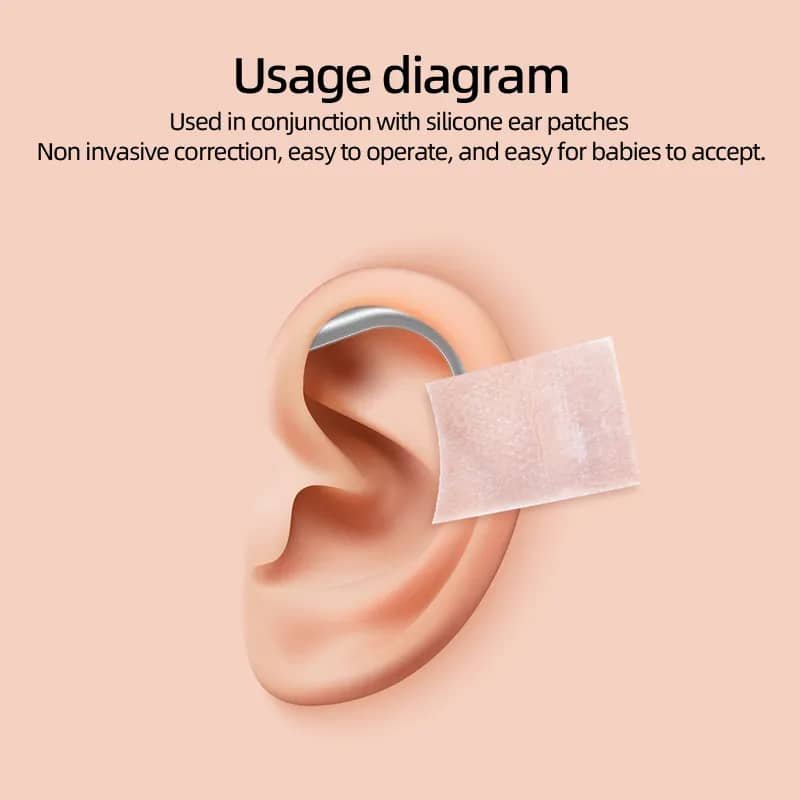
The Misconception: “Ear Correctors” for Adults
A common online search leads to products like ear corrector tape, ear corrector stickers, and ear corrector clip devices, often marketed as ear correctors for adults. It is crucial to understand what these products are—and what they are not.
Reality Check:
These products are cosmetic concealment aids, not medical corrective devices. They work by using adhesive or mechanical pressure to temporarily hold the ears closer to the head. The moment they are removed, the ear returns to its natural shape.
They do not reshape cartilage. Hardened adult cartilage cannot be permanently altered by external pressure.
They offer zero permanent correction. Their effect is purely temporary, lasting only as long as the product is worn.
They are not solutions for complex deformities. A ear corrector clip cannot address cryptotia or provide cup ear deformity correction.
While they might provide a short-term confidence boost for a photoshoot or event, they are not a substitute for medical intervention at any age.
Age-Based Correction Timeline Summary
| Age Range | Primary Method | Permanence | Key Considerations |
|---|---|---|---|
| 0 – 8 Weeks | Infant Ear Molding (Non-surgical) | Permanent | The “golden window.” Highest success rate. Requires immediate action. |
| 8 Weeks – 5 Years | Usually Observation | N/A | Surgery is typically delayed until the ear is more developed. |
| 5 – 7 Years | Otoplasty (Surgery) | Permanent | Ideal surgical age. Ear is nearly adult-sized. Pre-social pressure. |
| Adolescence & Adulthood | Otoplasty (Surgery) | Permanent | Surgery is highly effective at any age. Consumer products (tape, clips) offer only temporary concealment. |
Conclusion: The Sooner, The Better
The age at which an ear deformity can be corrected defines the path to treatment. For newborns, the answer is clear: act immediately. The first few weeks of life offer a unique, non-surgical chance for permanent infant ear correction through molding, a truly remarkable medical advancement.
For those who have passed this window, whether toddlers or adults, all is not lost. Permanent correction is still highly achievable through the proven and safe surgical techniques of otoplasty. The key is to have realistic expectations and to understand that consumer products marketed as correctors cannot alter the fundamental structure of the ear. Regardless of age, consulting with a medical professional is the essential first step toward understanding the best and most effective treatment options available.