
Can a Scalp Massager Regrow Hair? Separating Hope from Hype

The quest for hair restoration has created a multi-billion dollar industry, with countless products promising to reverse hair loss. Among these offerings, scalp massagers have gained significant attention, particularly those marketed as scalp massager for hair growth. But can a scalp massager regrow hair, or is this another overhyped solution? This comprehensive examination explores the scientific evidence, mechanisms of action, and realistic expectations for using these devices as part of a hair restoration strategy.
 Understanding Hair Loss: The Complex Reality
Before assessing massagers’ potential, one must understand why hair loss occurs:
Common Causes of Hair Loss:
Androgenetic alopecia (pattern baldness) – genetic and hormonal
Telogen effluvium – stress-induced shedding
Alopecia areata – autoimmune condition
Traction alopecia – physical stress on follicles
Nutritional deficiencies and medical conditions
This complexity means no single solution works for all types of hair loss, making realistic expectations crucial when considering any hair massager for hair growth.
The Theory Behind Scalp Massage for Hair Regrowth
Proponents suggest several mechanisms through which scalp massagers might influence hair growth:
1. Increased Blood Circulation
The most frequently cited benefit involves enhanced blood flow to hair follicles. The theory suggests that devices like an electric scalp massager can:
Dilate blood vessels through mechanical stimulation
Deliver more oxygen and nutrients to follicles
Remove metabolic waste products more efficiently
Create a more favorable environment for hair growth
2. Follicle Stimulation
Mechanical manipulation from devices such as an automatic scalp massager may:
Stimulate dermal papilla cells that control hair growth
Help awaken dormant follicles in the telogen (resting) phase
Encourage transition to the anagen (growth) phase
Potentially increase hair density and thickness
3. Reduction of Scalp Tension
Some theories suggest that chronic scalp tension may contribute to hair loss. Regular use of a head massager for hair growth might:
Relax muscles surrounding hair follicles
Reduce constriction of blood vessels
Create a more favorable environment for hair growth
4. Exfoliation and Cleansing
Devices like a silicone scalp massager can help:
Remove dead skin cells and product buildup
Prevent follicle clogging that might inhibit growth
Maintain optimal scalp health for hair production
Scientific Evidence: What Research Reveals
Supportive Studies:
A 2016 study in ePlasty found that standardized scalp massage increased hair thickness in men after 24 weeks
A 2019 Japanese study observed that mechanical stress on dermal papilla cells upregulated hair-growth-related genes
Multiple studies show massage can significantly reduce stress levels, potentially helping stress-related hair loss
Limitations of Current Research:
Most studies involve small sample sizes
Limited long-term data on sustained results
Few controlled comparisons between massage and other treatments
Variable methodology makes comparisons difficult
Areas Requiring Further Research:
Optimal massage techniques and duration
Differences between manual and device-assisted massage
Effects on different types of hair loss
Long-term efficacy and sustainability
Types of Scalp Massagers and Their Potential Efficacy
Manual Massagers:
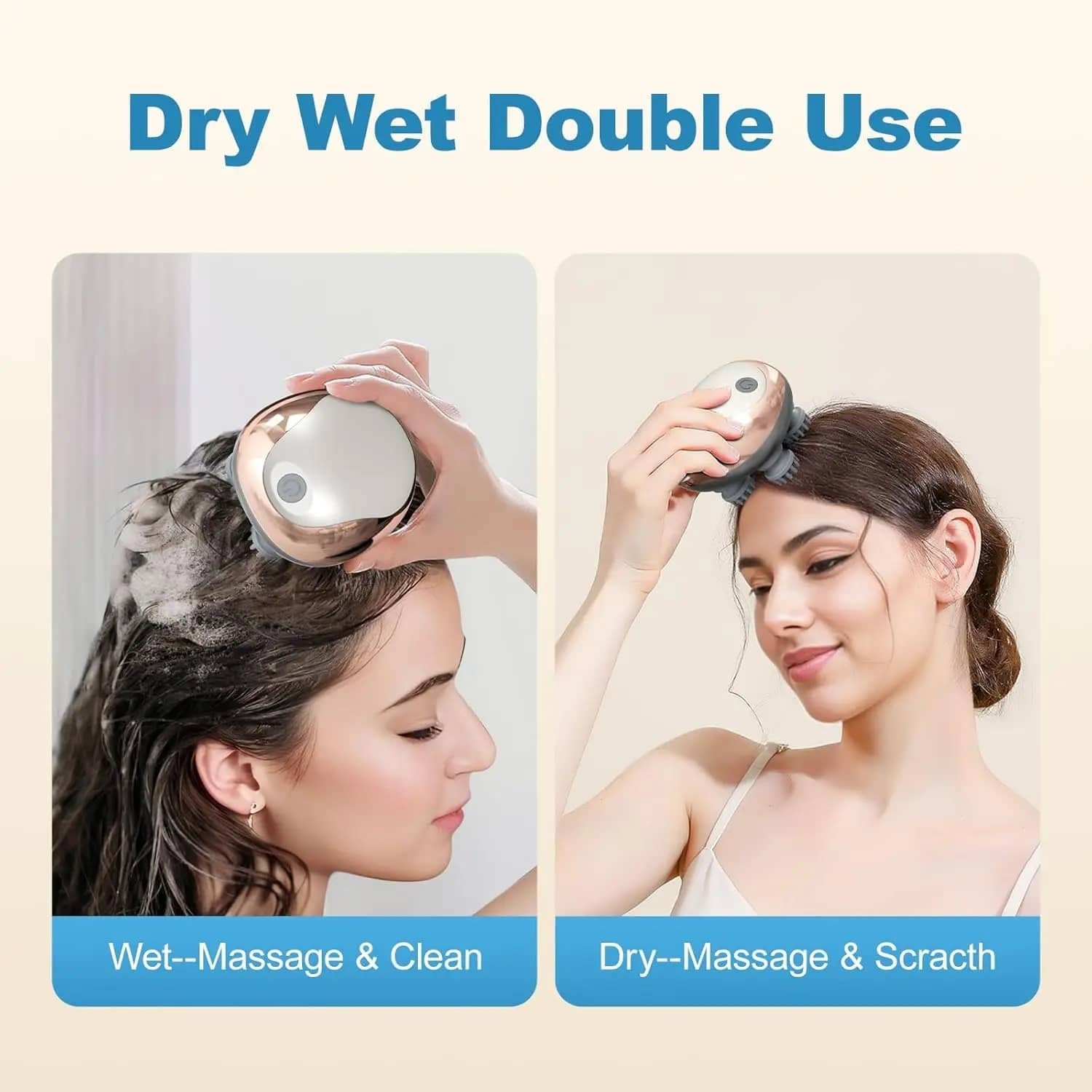
Silicone Scalp Massager: Basic devices good for exfoliation and mild stimulation
Waterproof Scalp Massager: Shower-friendly options for consistent use
Mini Head Massager: Limited utility for hair regrowth due to light stimulation
Electric Massagers:
Vibrating Scalp Massager: Provides surface-level stimulation; limited evidence for regrowth
Automatic Scalp Massager: Rotating nodes may offer deeper stimulation
Electric Hair Massager: Often combines multiple technologies for enhanced effect
Advanced Devices:
Head Massage Machine: Comprehensive systems with multiple functionalities
Best Scalp Massager for Hair Growth: Typically refers to devices with clinical backing or superior design
Realistic Expectations: What Scalp Massagers Can and Cannot Do
Potential Benefits:
Improved scalp health and circulation
Enhanced relaxation and stress reduction
Better product absorption when used with treatments
Possible improvement in hair thickness and quality
Maintenance of existing hair health
Limitations:
Unlikely to reverse advanced genetic baldness
Cannot overcome strong genetic predispositions
Results vary significantly between individuals
Requires consistent long-term use for potential benefits
Not a substitute for medical treatments when needed
Integrating Scalp Massagers into a Comprehensive Hair Care Strategy
For Best Results, Combine With:
Medical treatments (minoxidil, finasteride) when appropriate
Nutritional support (adequate protein, iron, vitamins)
Stress management techniques
Gentle hair care practices
Regular scalp examinations
Usage Recommendations:
Consistency matters more than intensity
5-10 minutes daily or every other day
Gentle to moderate pressure – avoid aggression
Clean devices regularly to prevent buildup
Be patient – results take months, not weeks
Choosing the Right Massager for Your Needs
Selection Criteria:
For general maintenance: Basic silicone scalp massager
For enhanced stimulation: Electric scalp massager with multiple settings
For shower use: Waterproof scalp massager with safety features
For comprehensive care: Automatic head massager with various attachments
Quality Indicators:
Medical-grade materials
Adjustable intensity settings
Positive user reviews
Reasonable return policy
Safety certifications
When to Manage Expectations
Scalp massagers are unlikely to help significantly with:
Advanced male pattern baldness (Norwood scale 4+)
Complete bald spots from alopecia areata
Hair loss from medical treatments like chemotherapy
Scarring alopecias that destroy follicles
More likely to show benefits for:
Early stage pattern hair loss
Stress-related hair shedding
General hair and scalp maintenance
Improving hair quality and thickness
Potential Risks and Considerations
Possible Adverse Effects:
Hair breakage from excessive force
Scalp irritation from aggressive use
Product buildup if not cleaned properly
False hope leading to delayed effective treatment
Who Should Avoid Scalp Massagers:
Those with active scalp infections or conditions
Recent scalp surgery or transplants
Unexplained hair loss without diagnosis
Severe sensitivity or skin conditions
The Verdict: A Valuable Adjunct, Not a Miracle Cure
After examining the evidence, the answer to can a scalp massager regrow hair is nuanced. While not a standalone solution for significant hair loss, scalp massagers can be a valuable component of a comprehensive hair care strategy.
The Reality:
May help improve hair density and thickness in some cases
Can support scalp health and create better conditions for growth
Works best for maintenance and early intervention
Shows most promise when combined with other treatments
The Bottom Line:
Scalp massagers are not magic wands that will regrow hair in significantly balding areas. However, they can be beneficial tools for:
Maintaining existing hair health
Potentially enhancing results from other treatments
Improving scalp circulation and health
Providing relaxation and stress reduction
For those considering a scalp massager, the key is to have realistic expectations, choose quality devices, use them consistently but gently, and integrate them into a broader hair health strategy that includes proper medical care, nutrition, and lifestyle factors.
While not the solution for everyone, when used appropriately, a good quality scalp massager can be a valuable addition to your hair care routine and overall wellness practice.
Related topics:
The Art of Appreciation: Selecting Meaningful Employee Recognition Gifts