
Can I fix protruding ears without surgery?

The question of correcting protruding ears without going under the knife is one that resonates with many individuals, from new parents noticing a slight fold in their newborn to adults who have felt self-conscious their entire lives. The desire to avoid the expense, invasiveness, and potential risks of otoplasty (ear pinning surgery) is entirely understandable. The answer, however, is not a simple yes or no. It depends almost entirely on two critical factors: the age of the individual and the specific nature of the ear deformity.
This article will explore the landscape of non-surgical ear correction, delving into the methods available for both infants and adults, and evaluating the effectiveness of products like ear corrector tape, ear corrector stickers, and ear corrector clips.
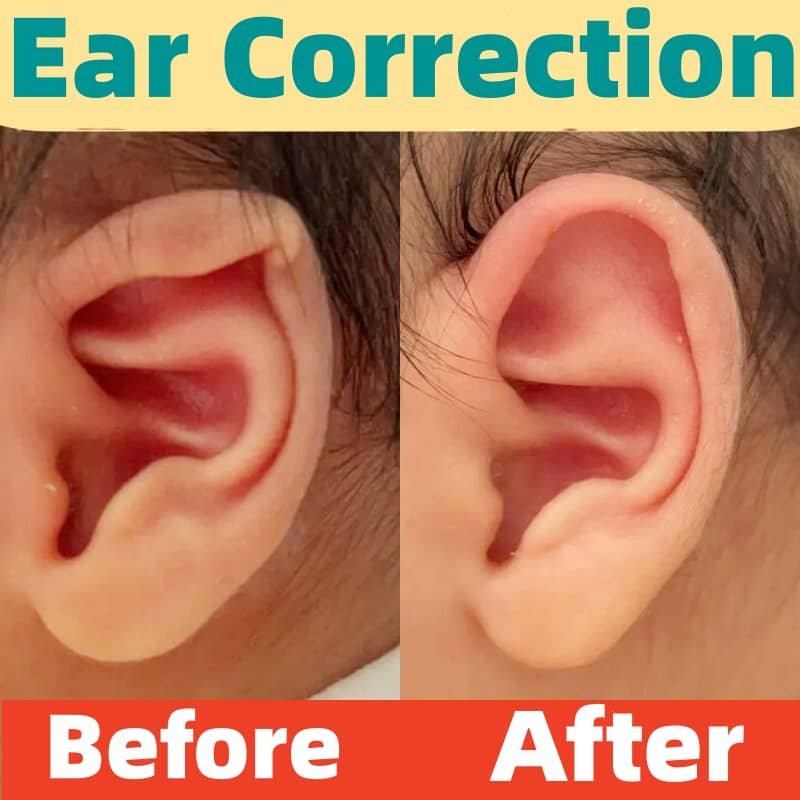
The Golden Window: Non-Surgical Correction in Infants
For newborns, the answer to non-surgical correction is a resounding, and scientifically backed, yes. This is the most effective and crucial period for intervention.
Why it Works: The Power of Maternal Estrogen
In the first few weeks of life, a newborn’s cartilage is exceptionally soft and malleable. This is due to the lingering presence of maternal estrogen in their system, which makes the cartilage pliable and responsive to molding. This window of opportunity is short, typically closing between 6 to 8 weeks of age as the estrogen levels drop and the cartilage begins to stiffen permanently.
Common Infant Ear Deformities
Numerous ear shape variations can be effectively treated during this period. These are not always just protruding ears; they include a range of conditions such as:
Lop Ear: Where the top of the ear rim folds down.
Cup Ear: A constricted ear where the rim is tight and the ear is often small and cupped.
Stahl’s Ear: Characterized by an extra crus (fold) in the scapha, giving the ear a pointed “Spock” or “elfin” appearance.
Cryptotia: Also known as a “hidden ear,” where the top portion of the ear cartilage is buried under the scalp skin.
Various Earlobe Deformities: Including stretched, cleft, or duplicated lobes.
An ear deformity newborn might exhibit one or a combination of these issues. The key is early identification.
The Solution: Infant Ear Molding
The non-surgical process for a baby is known as infant ear molding or newborn ear correction. It involves using a custom or pre-fabricated ear corrector baby system. These are not simple tapes or clips; they are sophisticated, often hypoallergenic, medical devices designed by pediatric specialists.
A Newborn ear corrector system typically consists of a soft, malleable wire framework within a silicone shell. It is carefully affixed to the baby’s ear using medical-grade adhesive. The device gently and consistently applies pressure to reshape the soft cartilage into a more typical form over a period of typically 4-6 weeks.
The success rate of infant ear correction is extraordinarily high, often cited at over 90%, when treatment is initiated within the first two weeks of life. For parents concerned about an infant ear deformity, consulting a pediatrician, dermatologist, or a plastic surgeon specializing in this field immediately after birth is the most important step. This is a safe, painless, and highly effective method that can prevent the need for future surgery.
The Adult Reality: The Limits of Non-Surgical Methods
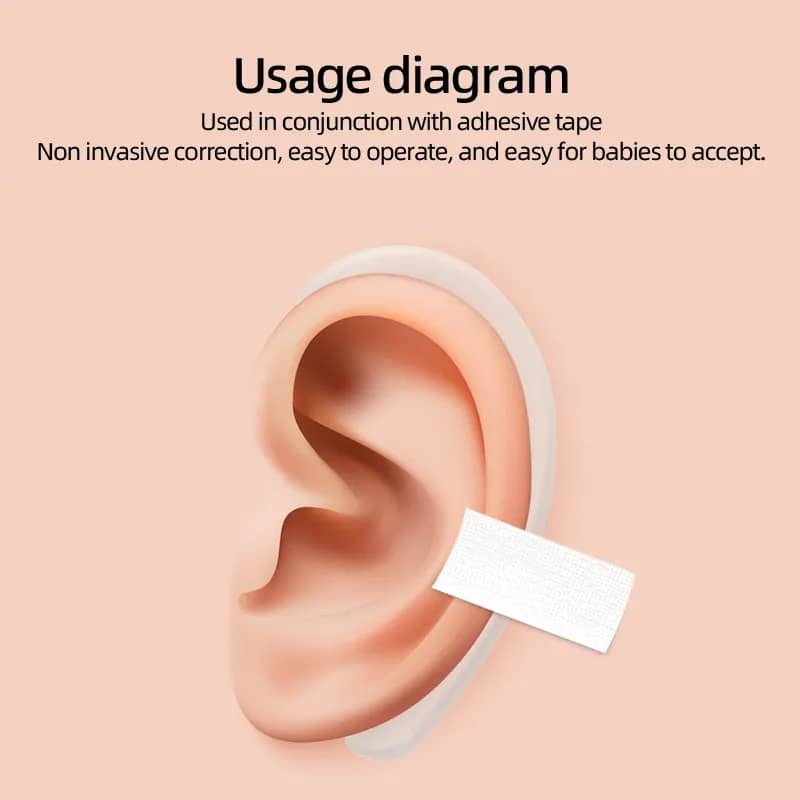
For adults and older children whose cartilage has hardened, the landscape of non-surgical correction changes dramatically. The rigid, permanent nature of adult ear cartilage cannot be reshaped by external pressure in the same way infant cartilage can. This is a fundamental biological fact.
This is where the market for ear correctors for adults floods in, often making promises that sound too good to be true. Unfortunately, they often are. Let’s examine the common products:
Ear Corrector Tape/Stickers: These are adhesive strips (ear corrector stickers) designed to be placed on the back of the ear and attached to the scalp, physically pulling the ear closer to the head. They are essentially a cosmetic concealment tool.
Pros: They can provide a temporary, non-surgical appearance of less prominent ears under a hairstyle or hat. They are low-cost and non-invasive.
Cons: The effect is purely temporary. The moment the tape is removed, the ear springs back to its natural position. They can cause skin irritation, allergic reactions to the adhesive, and are not waterproof, making activities like swimming or sweating problematic. They do not provide cup ear deformity correction or lop ear deformity correction; they only hide the protrusion.
Ear Corrector Clip: This is a device that clips onto the helix (outer rim) of the ear, applying pressure to bend it backwards.
Pros: Like tape, it offers a temporary visual fix.
Cons: Often uncomfortable, can cause pain and even damage to the skin and cartilage with prolonged use. It is easily visible and does not create any permanent change. It is not a solution for complex issues like Stahl’s Ear or constricted ear.
The Verdict for Adults:
For an adult seeking a protruding ear corrector, these devices are not true “correctors.” They are concealment aids. No amount of taping, clipping, or wearing a device for hours a day will permanently reshape adult cartilage. The memory of the cartilage is too strong. Claims of permanent results from these products are misleading.
The only permanent solution for prominent ear, cup ear, lop ear, or other deformities in adults is otoplasty. This surgical procedure is highly effective and safe. A surgeon makes small incisions behind the ear to reshape and reposition the cartilage, creating a natural and lasting result.
Navigating the Market and Managing Expectations
When searching for an ear corrector, it is vital to be an informed consumer.
For Babies: Act fast. Seek a medical professional, not just an online product. A true infant ear molding system should be applied and monitored by a specialist to ensure proper fit and effectiveness.
For Adults: Be deeply skeptical of any product claiming permanent results. Understand that you are purchasing a temporary aesthetic tool, not a medical corrective device. If your goal is a permanent change, consult a board-certified plastic surgeon to discuss otoplasty. It is an investment, but one with lifelong, guaranteed results.
Conclusion
So, can you fix protruding ears without surgery? The answer is a conditional one.
Yes, absolutely—if you are the parent of a newborn. The field of infant ear molding has revolutionized the treatment of ear deformity newborn cases, offering a painless, non-surgical, and definitive solution for conditions from simple protruding ear to complex cup ear correction and lop ear correction.
No, not permanently—if you are an adult or older child. Products like ear corrector tape, ear corrector stickers, and ear corrector clips can only offer a fleeting cosmetic fix. They are unable to overcome the biological reality of hardened cartilage. For those seeking a lifelong solution to Stick Out Ear, prominent ear, or other deformities, modern surgery remains the only proven and effective path.
Understanding this critical distinction—defined by age and biology—is the first and most important step in choosing the right path toward confidence and comfort with one’s appearance.