
Can I Use a Foot Massager With High Blood Pressure?

The question of whether individuals with high blood pressure can safely use foot massagers is both common and critically important. As more people turn to home wellness devices like EMS foot massager units, EMS foot massager pad accessories, and full-body EMS massage mat systems for relief and relaxation, understanding the potential implications for cardiovascular health becomes essential. This comprehensive examination addresses safety concerns, medical considerations, and practical guidelines for hypertensive individuals interested in using electrical muscle stimulation technology.
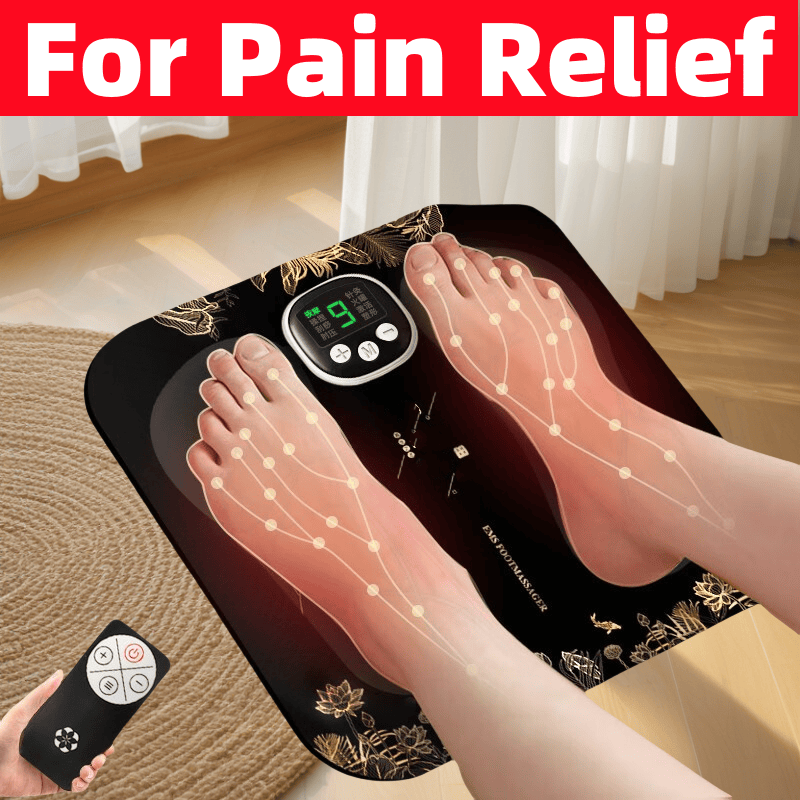
EMS Foot Massager Pad Price, Muscle Stimulator Mat
Understanding Hypertension and Massage Therapy
Hypertension, or high blood pressure, is a chronic medical condition characterized by consistently elevated pressure in the arteries. This condition affects approximately 45% of adults in Western countries and requires careful management to prevent complications such as heart disease, stroke, and kidney damage. The relationship between massage therapy and blood pressure has been studied extensively, with most research indicating that traditional massage typically produces a modest reduction in blood pressure due to relaxation responses.
However, Electrical Muscle Stimulation (EMS) technology presents a different mechanism of action than traditional massage. Rather than applying mechanical pressure to tissues, EMS devices use electrical impulses to stimulate nerve endings and cause involuntary muscle contractions. This fundamental difference requires special consideration for individuals with cardiovascular concerns.
How EMS Technology Affects the Cardiovascular System
To understand the safety implications for hypertensive individuals, we must examine how EMS devices potentially affect circulatory function:
Localized Vascular Response: EMS stimulation causes muscle contractions that pump blood through veins, potentially increasing local circulation in the treated areas. For a foot massager, this primarily affects blood flow in the lower extremities.
Autonomic Nervous System Effects: Any sensory stimulation can theoretically influence the autonomic nervous system, which regulates blood pressure, heart rate, and other involuntary functions. The question is whether EMS stimulation triggers potentially problematic responses.
Systemic Circulation Impact: While localized treatment might seem unlikely to affect overall blood pressure, there are potential mechanisms through which foot stimulation could influence systemic circulation due to neurological connections between the feet and cardiovascular control centers.
Medical Perspectives on EMS Use With Hypertension
The medical community maintains a cautious but not universally prohibitive stance regarding EMS use for individuals with hypertension:
Concerning Factors
Several theoretical concerns warrant attention:
Potential for Blood Pressure Spikes: Some healthcare professionals worry that the sensory surprise of electrical stimulation might trigger a temporary increase in blood pressure in sensitive individuals, particularly during the initial moments of use.
Medication Interactions: Individuals taking blood pressure medications, particularly alpha-blockers or other drugs that affect circulatory function, might experience different responses to EMS stimulation.
Underlying Cardiovascular Conditions: Hypertension often coexists with other cardiovascular issues that might contraindicate EMS use, such as arrhythmias, peripheral artery disease, or history of blood clots.
Potentially Beneficial Aspects
Interestingly, some research suggests possible benefits:
Improved Peripheral Circulation: EMS foot massage may enhance blood flow in the lower extremities, which is sometimes compromised in individuals with long-standing hypertension.
Relaxation Response: Despite the electrical nature of the stimulation, many users report deep relaxation following EMS sessions, which could theoretically lower blood pressure through reduced sympathetic nervous system activity.
Convenient Stress Management: Regular relaxation practices, potentially including EMS massage, may contribute to better overall blood pressure management when combined with other lifestyle approaches.
Specific Device Considerations
The type of EMS device significantly influences safety considerations:
EMS Foot Massager
Dedicated foot massagers typically provide the most targeted stimulation. For hypertensive users, these devices may offer advantages because:
Treatment is localized to the feet, minimizing systemic effects
Intensity can be precisely controlled
Modern devices include safety features and gradual intensity ramping
However, the concentrated nature of the stimulation might potentially trigger stronger physiological responses in some individuals.
EMS Foot Massager Pad
These portable pads offer flexibility but may present different considerations:
Often have fewer safety features than dedicated units
Intensity control may be less precise
Placement might vary, potentially affecting treatment consistency
EMS Massage Mat
Full-body mats present broader stimulation that might have more significant cardiovascular effects:
Larger treatment area could produce more substantial autonomic nervous system responses
Simultaneous stimulation of multiple body regions might compound effects
Typically include more sophisticated controls and safety features
Evidence-Based Recommendations
Based on current understanding of physiology and limited specific research on EMS and hypertension, the following recommendations emerge:
Precautions for Hypertensive Users
Medical Consultation Essential: Before using any EMS device, individuals with hypertension should consult their healthcare provider, particularly if they have:
Poorly controlled blood pressure
Recent changes in medication
Additional cardiovascular conditions
Diabetes or peripheral neuropathy
Gradual Introduction: Begin with the lowest possible intensity setting for short sessions (5-10 minutes), gradually increasing only if well-tolerated.
Avoid During Blood Pressure Instability: Do not use EMS devices during periods of significantly elevated blood pressure or when experiencing hypertension-related symptoms.
Monitor Responses: Check blood pressure before and after initial sessions to identify any significant changes. Discontinue use if blood pressure increases substantially.
Medication Timing Consideration: Be mindful of medication cycles—using EMS devices at peak medication effectiveness might be preferable for some individuals.
Potentially Safer Alternatives
For those advised against EMS stimulation, several alternatives provide similar benefits:
Manual Foot Massage: Traditional massage without electrical stimulation
Warm Water Foot Baths: Hydrotherapy provides relaxation and circulation benefits
Compression Therapy: Pneumatic compression devices may offer circulation improvement without electrical stimulation
Acupressure Mats: These provide stimulation through mechanical rather than electrical means
Practical Usage Guidelines for Hypertensive Individuals
If medical approval is granted, these practices can enhance safety:
Session Planning
Limit initial sessions to 10-15 minutes
Use every other day rather than daily initially
Schedule sessions during typically stable blood pressure periods
Maintain hydration before and after use
Intensity Management
Always stay within comfortable stimulation levels
Avoid maximum intensity settings
Discontinue immediately if experiencing dizziness, discomfort, or unusual sensations
Environmental Considerations
Use in a comfortable, relaxed setting
Ensure proper seating support
Avoid use when tired, stressed, or immediately after eating
Emerging Research and Future Directions
While comprehensive studies specifically addressing EMS foot massager use in hypertensive populations remain limited, several relevant research avenues show promise:
Peripheral Stimulation Studies: Research on transcutaneous electrical nerve stimulation (TENS) for pain management suggests that proper peripheral electrical stimulation rarely causes significant cardiovascular effects in stable hypertensive patients.
Autonomic Nervous System Research: Investigations into how different types of electrical stimulation affect autonomic balance may provide more specific guidance for EMS device usage.
Device-Specific Studies: As EMS technology evolves, manufacturers are increasingly conducting research on cardiovascular safety, potentially leading to devices specifically designed for sensitive populations.
Conclusion: A Cautious, Individualized Approach
The question of whether individuals with high blood pressure can use EMS foot massagers does not have a universal answer. Current evidence suggests that:
For many individuals with well-controlled hypertension, cautious use of EMS foot massagers appears reasonably safe when:
Medical approval has been obtained
Proper precautions are followed
Low-to-moderate intensity settings are used
Responses are monitored appropriately
However, for those with poorly controlled hypertension, additional cardiovascular conditions, or specific medical advice against use, EMS devices should be avoided in favor of alternative therapies.
The variation in individual responses means that personal experimentation under medical guidance remains essential. What proves beneficial for one hypertensive individual might be problematic for another. As research continues to evolve, more definitive guidelines will likely emerge. Until then, a conservative approach that prioritizes safety over potential benefits represents the wisest course of action.
Ultimately, while EMS technology offers promising relaxation and circulation benefits, individuals with hypertension should view these devices as complementary tools rather than therapeutic solutions, using them judiciously as part of a comprehensive blood pressure management plan developed with healthcare professionals.
Related topics:
The Heft and Feel: What to Expect from the Weight of a Tungsten Ring
The Scratch-Resistant Promise: How Hard Are Tungsten Rings Really?
How to Personalize Your Tungsten Ring: Inlays, Finishes, and Designs