
Do EMS Foot Massagers Really Work?

The wellness industry has witnessed an explosion of electrical muscle stimulation devices promising revolutionary benefits for muscle recovery and relaxation. Among these products, EMS foot massagers have gained significant popularity, leaving many consumers to wonder: do EMS foot massagers really work? This comprehensive examination delves into the scientific evidence, user experiences, and practical realities of three prominent device categories: the dedicated EMS foot massager, the portable EMS foot massager pad, and the comprehensive EMS massage mat. By evaluating claims against evidence, we can separate marketing hype from genuine therapeutic value.
Understanding EMS Technology: The Science Behind the Sensation
To assess whether these devices work, we must first understand what EMS technology is and how it theoretically produces benefits. Electrical Muscle Stimulation involves applying electrical impulses to muscles through electrodes placed on the skin. These impulses mimic action potentials from the central nervous system, causing targeted muscles to contract.
The physiological mechanisms through which EMS purportedly works include:
Muscle Contraction and Pumping Action: Rhythmic contractions may enhance circulation by mechanically pumping blood through veins, potentially reducing swelling and delivering more oxygen to tissues.
Neurological Effects: Stimulation of sensory nerves may influence pain perception through the gate control theory of pain, where non-painful input closes the “gates” to painful input.
Metabolic Activation: Forced muscle contractions may increase metabolic activity in targeted areas, potentially aiding recovery processes.
Relaxation Response: Despite being a form of stimulation, many users report relaxation effects, possibly through endorphin release or parasympathetic nervous system activation.
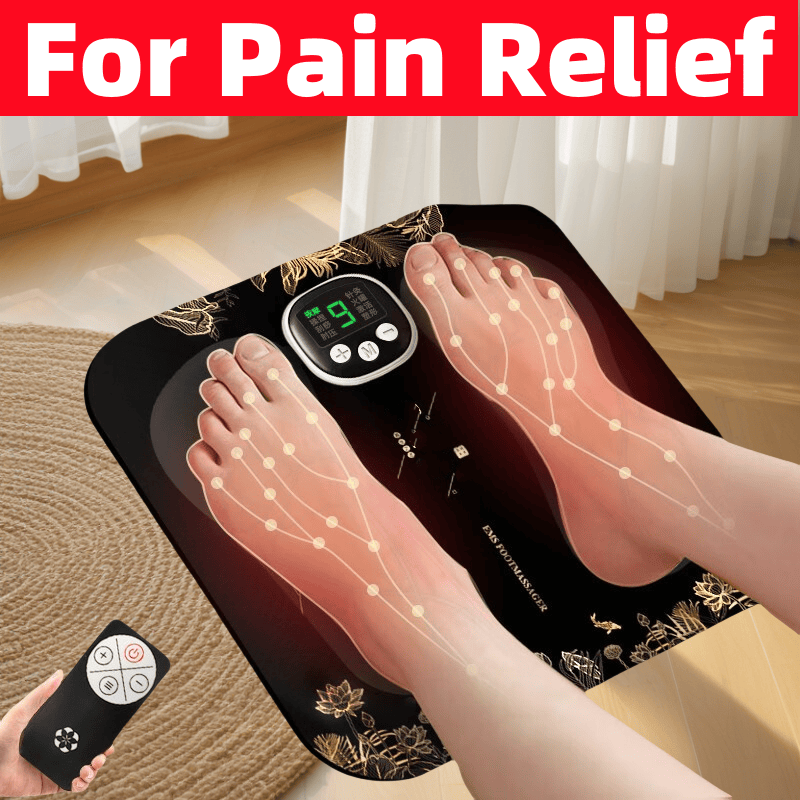
EMS Foot Massager Pad Price, Muscle Stimulator Mat
Evaluating the Evidence: What Research Reveals
Scientific research on EMS technology presents a mixed but generally supportive picture:
Supported Benefits
Multiple studies have demonstrated that EMS can:
Reduce muscle soreness: Research in sports medicine shows EMS can decrease delayed onset muscle soreness (DOMS) when applied after exercise.
Improve circulation: Studies using Doppler ultrasound and other measurement techniques have documented increased blood flow during and after EMS application.
Provide temporary pain relief: Clinical trials have shown effectiveness for various pain conditions, particularly when combined with other therapies.
Limitations and Unsupported Claims
However, research also indicates limitations:
Short-term effects: Many benefits appear temporary rather than cumulative or long-lasting.
Variable individual responses: Effectiveness varies significantly between individuals based on factors like skin conductivity, body composition, and neurological sensitivity.
Questionable cosmetic claims: Evidence does not support claims that EMS can significantly reshape muscles or provide substantial fitness benefits without conventional exercise.
Device-Specific Effectiveness Analysis
Different EMS device formats offer varying levels of effectiveness:
Dedicated EMS Foot Massager
These specialized devices typically provide:
Superior targeting: Specifically designed electrode placement for optimal foot muscle stimulation
Enhanced comfort: Contoured designs that accommodate foot anatomy
Better consistency: More reliable electrical output and contact maintenance
Higher effectiveness: Generally show the most pronounced benefits for foot-specific issues
EMS Foot Massager Pad
These portable options present:
Adequate functionality: Can provide genuine EMS benefits when used properly
Convenience advantage: Portability may encourage more consistent use
Variable quality: Effectiveness highly dependent on product quality and proper usage
Contact issues: May have less consistent electrode contact than dedicated units
EMS Massage Mat
Full-body mats offer:
Versatility benefits: Can address foot concerns while also treating other areas
Systemic effects: Potential for broader relaxation responses
Foot-specific limitations: May provide less focused foot treatment than dedicated devices
Positioning challenges: Proper foot electrode placement can be more difficult
Realistic Benefits: What EMS Foot Massagers Can Actually Do
Based on available evidence and user reports, these devices can legitimately provide:
1. Temporary Pain Relief
Many users experience genuine reduction in:
Plantar fasciitis discomfort
Arch strain and fatigue
General foot soreness from standing or walking
Arthritis-related stiffness (particularly when combined with heat)
2. Improved Circulation
Measurable increases in blood flow can:
Reduce mild swelling in feet and ankles
Provide warming sensation in cold feet
Potentially aid recovery from minor injuries
3. Muscle Relaxation
The combination of stimulation and subsequent relaxation can:
Reduce muscle tension in feet and calves
Decrease overall physical stress levels
Improve sleep quality when used before bed
4. Enhanced Recovery
When used after activity, EMS may:
Reduce perceived muscle soreness
Shorten recovery time between activities
Improve readiness for subsequent physical exertion
Limitations and Unrealistic Expectations
Despite genuine benefits, EMS foot massagers cannot:
1. Cure Underlying Medical Conditions
These devices cannot:
Reverse structural foot problems
Cure arthritis or neuropathy
Correct biomechanical issues
Replace medical treatment for serious conditions
2. Provide Permanent Solutions
Most benefits are:
Temporary and require maintenance use
Symptomatic rather than curative
Dependent on consistent application
3. Replace Exercise or Professional Treatment
EMS should not be viewed as:
A substitute for physical activity
A replacement for physical therapy
Equivalent to professional medical care
User Experiences: Patterns in Effectiveness Reports
Analysis of hundreds of user reviews reveals consistent patterns:
Positive Experiences
Users who report success typically:
Have specific, mild-to-moderate foot complaints
Use devices consistently (3-5 times weekly)
Combine EMS with other self-care practices
Have realistic expectations about results
Disappointed Users
Those reporting poor results often:
Expect dramatic or instant transformations
Have serious underlying medical conditions
Use devices inconsistently or incorrectly
Purchase low-quality products with poor stimulation
Maximizing Effectiveness: Strategies for Best Results
If you decide to try an EMS device, these practices enhance effectiveness:
1. Proper Usage Techniques
Consistent schedule: Use regularly rather than sporadically
Adequate session length: 15-20 minutes typically produces better results than shorter sessions
Progressive intensity: Gradually increase settings as tolerance develops
Optimal positioning: Ensure good electrode contact with clean, dry skin
2. Complementary Practices
Combine EMS with:
Foot stretches and exercises
Proper footwear selection
Adequate rest and recovery
Maintenance of healthy body weight
3. Realistic Expectations
Understand that:
Benefits accumulate gradually over weeks
Results vary based on individual factors
Devices work best as part of comprehensive foot care
Some experimentation with settings may be necessary
Safety Considerations and Medical Perspectives
While generally safe for most people, EMS devices require caution:
Medical Contraindications
Avoid use if you have:
Pacemakers or implanted electronic devices
Pregnancy
Deep vein thrombosis
Epilepsy or seizure disorders
Open wounds or skin infections
Quality Concerns
Effectiveness depends on:
Device quality: Better-engineered devices provide more consistent stimulation
Safety certifications: Look for FDA registration or other regulatory approvals
Manufacturer reputation: Established brands typically offer more reliable products
Conclusion: A Nuanced Verdict on Effectiveness
So, do EMS foot massagers really work? The answer is neither a simple yes nor no, but rather a qualified “yes, but…”
Yes, they can work for providing:
Temporary relief from foot pain and discomfort
Improved circulation and reduced swelling
Muscle relaxation and stress reduction
Enhanced recovery from physical activity
But… their effectiveness is:
Limited to symptomatic relief rather than curing underlying conditions
Highly dependent on individual factors and proper usage
Variable across different product quality levels
Best viewed as complementary rather than standalone treatment
The most realistic perspective recognizes EMS foot massagers as valuable tools within a comprehensive approach to foot health. They can provide genuine benefits for many users when employed with realistic expectations, consistent use, and understanding of their limitations. Rather than miraculous solutions, they represent technological aids that—when used appropriately—can contribute meaningfully to comfort, recovery, and overall foot wellness.
As with any wellness product, individual results will vary, and those with specific medical concerns should consult healthcare providers before use. For most people seeking non-invasive approaches to foot comfort, EMS technology represents a legitimate option worth considering, provided expectations remain grounded in scientific reality rather than marketing fantasy.
Related topics:
The Heft and Feel: What to Expect from the Weight of a Tungsten Ring
The Scratch-Resistant Promise: How Hard Are Tungsten Rings Really?
How to Personalize Your Tungsten Ring: Inlays, Finishes, and Designs