
Do Toe Separators Work for Hallux Valgus?

Hallux valgus, the medical term for a bunion, is a complex and often painful structural deformity of the foot. It manifests as a prominent, bony bump at the base of the big toe, which is actually the result of the first metatarsal bone shifting outward while the big toe itself drifts inward toward the smaller toes. Faced with this condition, many individuals seek non-surgical solutions, and toe separators for bunions are among the most widely marketed and purchased products. This leads to a critical and common question: Do they actually work?
The answer is nuanced. Toe separators cannot cure or permanently reverse a established bunion deformity. They are not a magic bullet that will make the bony protrusion disappear. However, when understood and used correctly as part of a comprehensive management plan, they can be highly effective tools for alleviating symptoms, slowing progression, and improving foot function. Their effectiveness is not in “curing” but in “managing.”
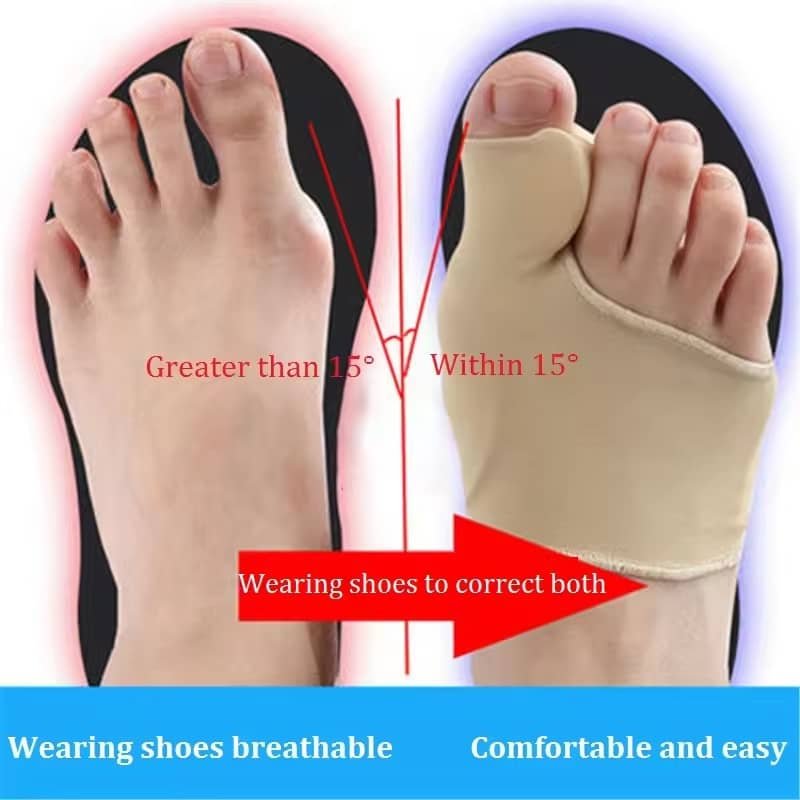
Understanding What Toe Separators Can and Cannot Do
To set realistic expectations, it’s crucial to differentiate their goals:
What They CAN Do:
Symptomatic Relief: They physically separate the toes, reducing painful friction, pressure, and rubbing that can lead to corns, blisters, and bursitis (inflammation of the fluid-filled sac near the joint).
Improve Alignment Temporarily: By creating space, they gently encourage the big toe toward a more anatomically neutral position. This can provide a feeling of alignment and stretch.
Slow Progression: By counteracting the inward drifting force, especially during weight-bearing activities in proper shoes, they may help prevent the deformity from worsening over time.
Enhance Comfort in Shoes: Worn inside wide-toe-box shoes, they can significantly improve comfort during daily activities.
What They CANNOT Do:
Reverse Bony Changes: They cannot reshape bone that has already adapted to the misaligned position.
Replace Surgery: For a severe, rigid, and painful bunion, they cannot provide the mechanical correction that surgery offers.
Work in Isolation: They are virtually useless if continued pressure from narrow, ill-fitting shoes counteracts their effect.
A Deep Dive into the Types of Toe Separators
The market offers a variety of devices, often designed for specific needs and demographics. Understanding the differences is key to choosing the right one.
Toe Separators for Bunions / Big Toe Separators for Bunions: This is the general category for devices designed for hallux valgus. They are typically made from medical-grade silicone or gel, offering flexibility and cushioning. Their primary design places a sculpted piece between the first and second toes.
Big Toe Separators Straightener: This term often refers to a more robust device that may incorporate a strap or a firmer design intended to apply a more consistent and targeted pulling force on the big toe, not just separate it. These are often used for shorter periods while resting to help stretch tight tissues.
Gender-Specific Designs:
Toe Separators for Women Hallux Valgus / Big Toe Separators for Women / Big Toe Separators for Women Bunion: These are extremely prevalent due to the higher incidence of bunions in women. They are typically designed to be smaller, narrower, and more discreet to fit the general proportions of a female foot. Marketing often targets this demographic directly.
Big Toe Separators for Men Gel: These are designed to be larger and wider to accommodate the typically larger male foot. The gel material provides comfortable, durable cushioning.
Specialized and Non-Corrective Uses:
Big Toe Separators for Pedicure: These are simple, often foam, disposable devices used solely to keep toes apart while nail polish dries. They offer no corrective benefit and should not be confused with therapeutic separators.
Big Toe Separators Kids: Juvenile hallux valgus does occur. These are specially designed, smaller, and softer separators for children. Their use must always be guided by a pediatric podiatrist to ensure they are helpful and not disruptive to a child’s developing foot.
How to Maximize the Effectiveness of Toe Separators
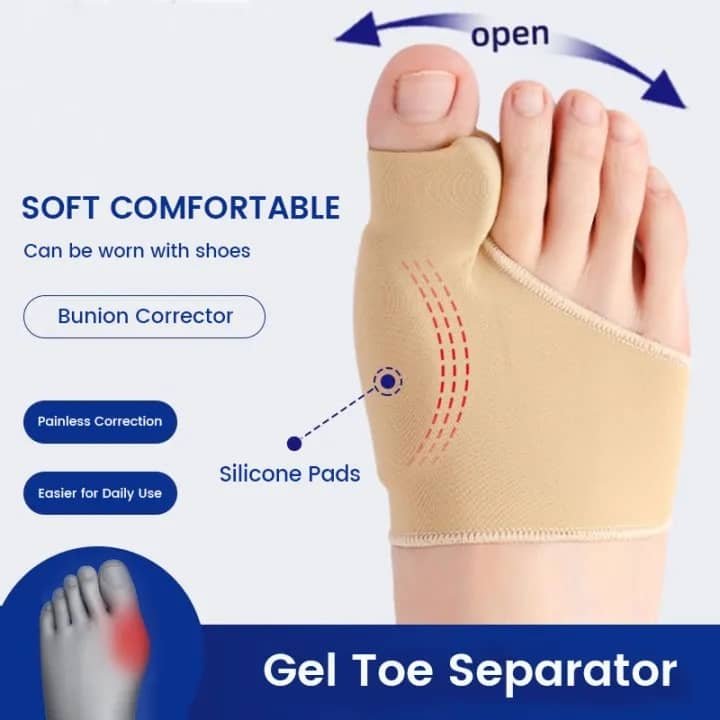
Gel Big Toe Separators for Bunions 7
Simply buying a separator is not enough. To make them “work,” you must use them intelligently and as part of a holistic approach.
Pair with Proper Footwear: This is the most important factor. Toe separators cannot compensate for bad shoes. They must be worn inside shoes with a wide, deep toe box that allows your toes to spread out naturally without any external pressure. Continuing to wear narrow shoes will render the separator ineffective and likely uncomfortable.
Start Slowly and Build Tolerance: Begin by wearing the separators for just 30-60 minutes a day while at home. This allows your feet to adapt to the new sensation. Gradually increase the wearing time over several weeks.
Combine with Strengthening Exercises: Separators provide passive correction. For lasting change, you need active strengthening. Incorporate foot exercises like:
Toe Spreading: Practice spreading all your toes apart actively, with or without the separator.
Towel Scrunches: Strengthen the arch and intrinsic foot muscles.
Big Toe Lifts: Improve control over the big toe muscle.
Use Consistently: Consistency is key. sporadic use will provide sporadic, minimal benefit. Integrate them into your daily routine for the best results.
Listen to Your Body: Some initial mild discomfort is normal as your toes adjust. However, sharp pain, numbness, or discoloration means the separator is too large, too rigid, or you’re wearing it for too long. Discontinue use and try a different style or size.
The Verdict: A Valuable Tool in a Comprehensive Toolkit
So, do toe separators work for hallux valgus? The evidence, both clinical and anecdotal, suggests that yes, they do work—but not as a standalone cure. They work exceptionally well as a component of a broader conservative management plan.
Their primary value lies in:
Pain Management: Reducing friction and pressure on the sensitive bunion area.
Progressive Prevention: Helping to maintain current alignment and halt further drifting.
Improving Biomechanics: Encouraging better toe alignment during gait when combined with exercises.
For individuals with mild to moderate, flexible bunions, a high-quality big toe separators for bunions, used diligently alongside supportive footwear and foot exercises, can be a game-changer in managing symptoms and maintaining an active lifestyle without the need for surgery. For anyone considering them, consultation with a podiatrist is always recommended to ensure they are appropriate for your specific condition and to receive a tailored management plan.