
Do Waterproof Cast Covers Actually Work?

A broken leg or post-operative surgery that results in a plaster cast is a significant life event. It brings with it a host of challenges, but perhaps the most daily and frustrating one is the simple act of bathing. The fear of getting the cast wet—and the subsequent complications—can loom large. For active individuals and children especially, the inability to swim can feel like a major loss. This has led to the rise of a seemingly miraculous solution: the waterproof cast cover. But do they actually work, or are they just a clever marketing gimmick that leaves you with a soggy, ruined cast?
The short answer is a resounding yes, they do work—when you select the right product and use it correctly. However, not all covers are created equal, and understanding the nuances is key to a dry and successful experience.
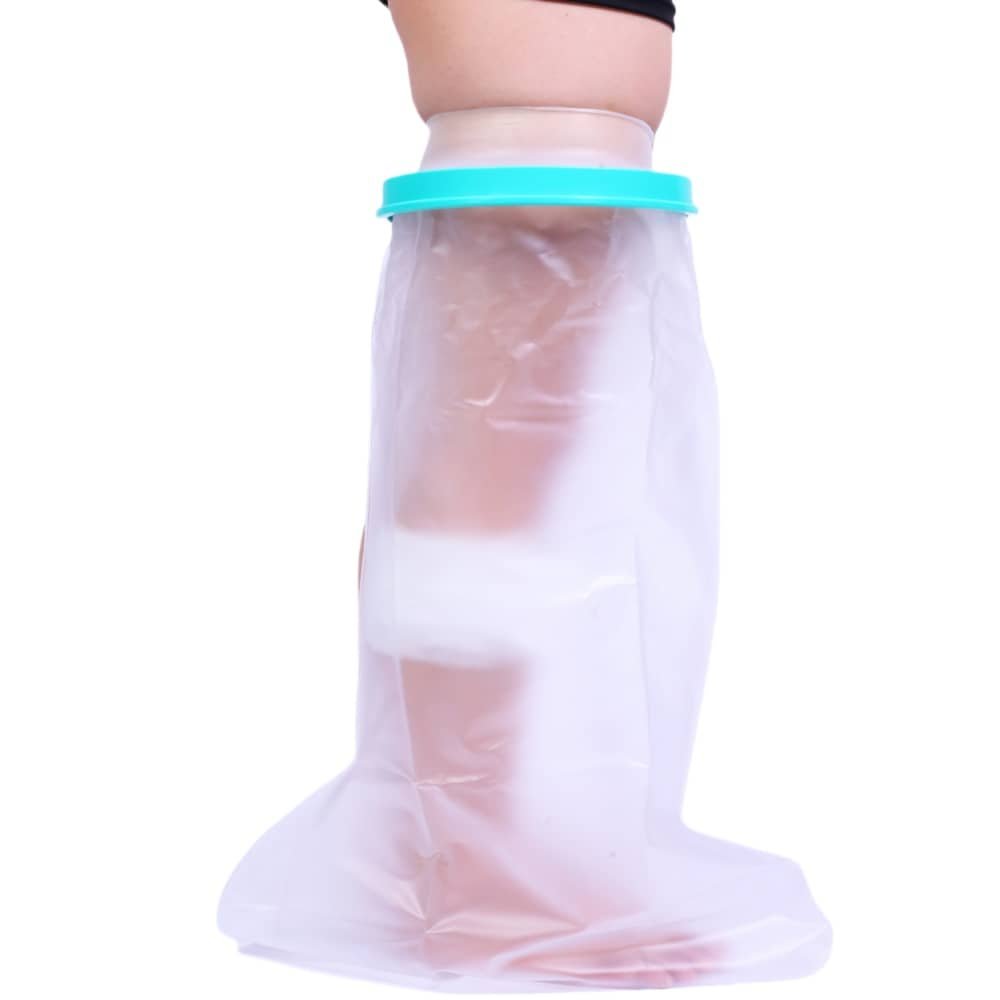
Waterproof Leg Cast Cover For Shower
The Science Behind the Seal: How Waterproof Covers Work
The fundamental principle behind a waterproof leg cast protector is creating a watertight seal between the cover and your skin. Unlike the DIY method of using a trash bag and duct tape (which is notoriously unreliable), modern commercial covers are engineered for this specific purpose.
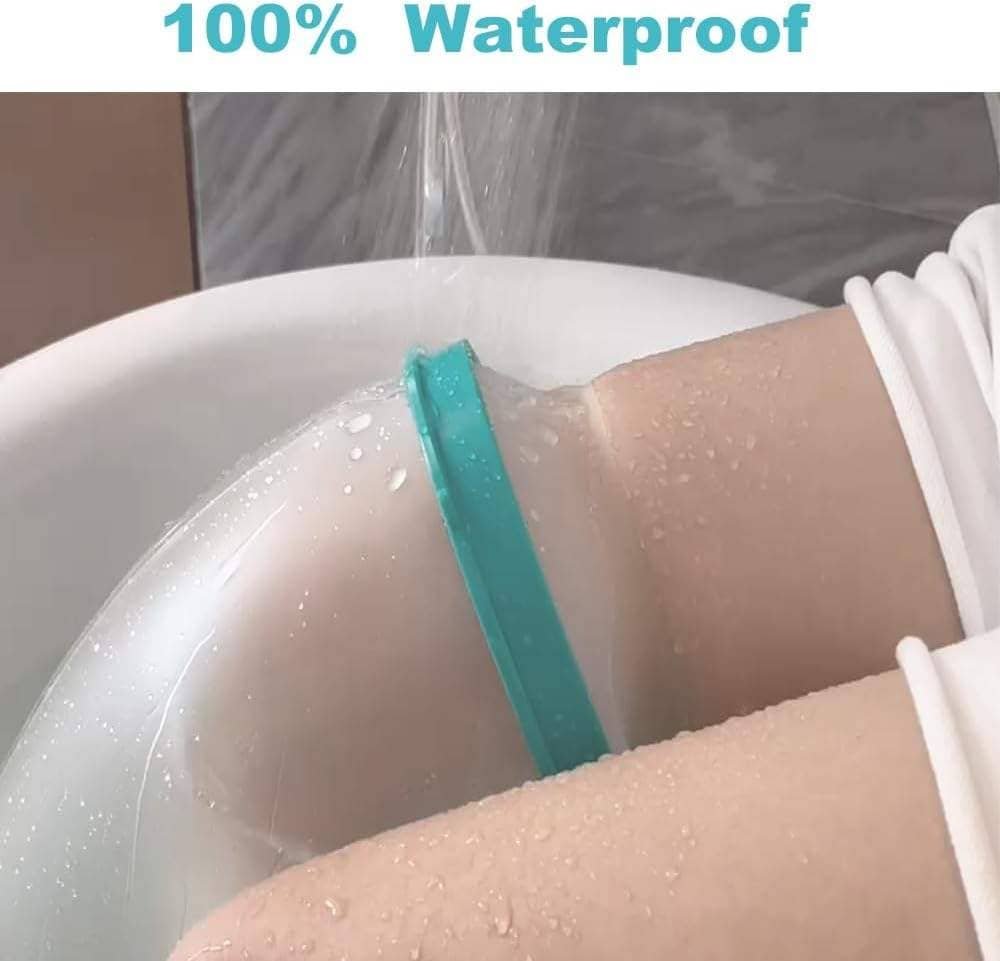
They are typically made from durable, transparent polymers like TPU (Thermoplastic Polyurethane) or medical-grade PVC. These materials are flexible yet strong, resistant to tearing, and completely impermeable to water. The magic, however, lies in the seal. Most high-quality covers feature a wide, comfortable band made of surgical-grade latex or, more commonly now, hypoallergenic silicone. This band is designed to stretch and contract, forming a secure, gasket-like barrier around your thigh or upper calf, preventing any water from seeping in.
This engineering is what differentiates a true waterproof leg cover from a makeshift solution. It’s designed to handle water pressure from a shower and, in specific models, the increased pressure of being submerged in a pool.
Not All Covers Are Created Equal: Shower vs. Swimming
This is the most critical distinction for consumers to understand. Using the wrong type of cover for the activity is the primary reason for failure.
For the Shower: The Waterproof Leg Cover for Shower
The most common need is for daily hygiene. A waterproof cover for leg in shower is designed to protect against splashes, direct spray, and the humid environment of a bathroom. These are excellent for their purpose. Products like a full leg shower protector are long enough to extend from the upper thigh down over the entire cast and foot.
Many people also look for a plastic leg cover for shower use, which is often a more affordable and readily available option. While effective for showers, it’s crucial to ensure the seal is robust. A waterproof shower leg cover with a wide silicone seal will provide comfort and security, preventing the tightness and discomfort that can come from a narrower, latex band.For Swimming: The Waterproof Leg Cast Cover for Swimming
Submersion in water presents a completely different challenge. Water pressure increases with depth, pushing against the cover and testing the integrity of its seal. A cover that is perfectly adequate for a shower might fail at the bottom of a pool.
A waterproof leg cover for swimming is specifically engineered for this purpose. These covers are often made from a thicker gauge of plastic and feature a reinforced double-seal or a locking mechanism at the top to withstand hydrostatic pressure. This is especially important for kids waterproof leg cast covers for swimming, as children are active and likely to jump and dive, significantly increasing the pressure on the cover.
Crucial Note: You should never use a shower-specific cover for swimming. Always check the manufacturer’s specifications to ensure the product is explicitly rated for submersion. Furthermore, you must always consult with your doctor or orthopedic specialist before submerging a cast in any water, including a chlorinated pool or the ocean. They will advise you based on the type of fracture, the stage of healing, and the risk of infection.
 Beyond Broken Bones: Other Vital Uses
The utility of these products extends far beyond protecting a standard cast. The core technology—creating a dry barrier—is invaluable in other medical scenarios:
Post-Surgery Care: A plastic cover for leg after surgery is essential for keeping stitches, staples, or wound dressings dry before they are fully healed. This prevents infection and allows for proper healing.
Wound Protection: A waterproof cover for leg wound allows individuals with chronic wounds, ulcers, or PICC lines to shower without fear, greatly improving their quality of life and hygiene during recovery.
Plaster Cast Protection: Specifically, a waterproof cover for plaster cast leg is a game-changer. Traditional plaster is even more susceptible to water damage than modern fiberglass, disintegrating quickly when wet. A reliable cover is non-negotiable.
Keys to Success: Ensuring Your Waterproof Cover Works
For a waterproof leg cast cover to work effectively, proper usage is just as important as the product’s quality.
Skin Preparation: The area where the seal will sit must be clean, dry, and free of lotions, oils, or hairs that could prevent a tight seal. A small amount of talcum powder can help create a dry surface for the seal to grip.
Correct Application: Most covers are applied by turning them partially inside out, placing the seal, and then unrolling them down the leg. Ensure the seal is sitting on smooth, uniform skin and is not twisted.
The Right Fit: A waterproof leg protector must be the correct size. A cover that is too large will have a loose seal, and one that is too small will be unbearably tight and may cut off circulation. Measure your leg according to the manufacturer’s chart.
Pre-Use Check: Before stepping into the shower or pool, feel around the seal for any obvious gaps. You can also gently press on the cover to check for any major air leaks.
Mindful Activity: While showering is generally fine, avoid directing a high-pressure jet directly at the seal of the cover. When swimming, be mindful of deep dives, as the pressure can become extreme.
Potential Drawbacks and Considerations
While highly effective, these covers are not infallible. Potential issues include:
Skin Irritation: Some individuals with very sensitive skin might experience irritation from the seal, even with hypoallergenic silicone. Alternating between a sponge bath and using the cover can help.
User Error: Improper application is the leading cause of failure. It’s essential to follow the instructions carefully.
Sweating: The cover creates a sealed environment, which can cause the leg to sweat inside. This is normal and different from getting the cast wet from an external leak. Drying the skin thoroughly after removal is important.
Conclusion: A Resounding Yes, With Caveats
So, do waterproof cast cover leg products actually work? The evidence is clear: Yes, they are a highly effective and reliable solution when used appropriately.
They represent a monumental leap forward in patient care and quality of life. No longer do individuals with casts or wounds need to endure the discomfort and poor hygiene of sponge baths for weeks on end. The ability to shower normally or even swim provides a tremendous psychological boost during a difficult recovery period.
The key to success lies in selecting the right product for the right activity—a waterproof shower leg protectors for bathing and a rigorously tested waterproof leg cast cover for swimming for the pool—and following the application instructions meticulously. By doing so, you can trust that your cast cover for leg will do its job, keeping you dry, clean, and comfortable throughout your recovery.