
EMS Foot Massager Is Good or Bad: An Evidence-Based Analysis

The question of whether an EMS foot massager is good or bad represents one of the most significant debates in modern personal wellness technology. As Electrical Muscle Stimulation devices transition from clinical settings to home use, consumers are rightfully curious about their efficacy and safety. This comprehensive examination will analyze the benefits and drawbacks of EMS technology for foot care, specifically evaluating the EMS foot massager, EMS foot massager pad, and broader EMS massage mat. Through weighing scientific evidence, user experiences, and medical perspectives, we will determine whether these devices represent a positive advancement in self-care or a potentially problematic trend.
Introduction: The EMS Revolution in Personal Wellness
Electrical Muscle Stimulation has evolved from a specialized physical therapy tool to a mainstream consumer product. The market now offers various form factors, from focused EMS foot massager units to portable EMS foot massager pad options and comprehensive EMS massage mat systems. This proliferation begs the fundamental question: are these devices truly beneficial for users, or do they present more risks than rewards? The answer is complex and requires careful consideration of multiple factors.
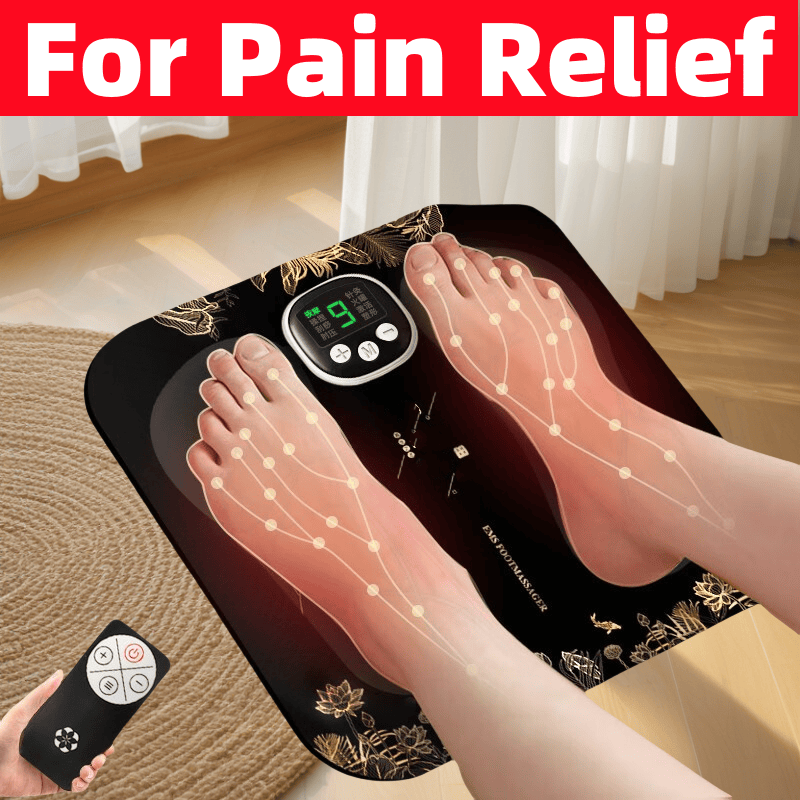
EMS Foot Massager Pad Price, Muscle Stimulator Mat
The Case For: Why EMS Foot Massagers Are Good
Substantial evidence supports the positive aspects of EMS technology when used appropriately. The benefits extend beyond simple relaxation to potentially significant therapeutic effects.
Scientific Basis for Efficacy
EMS technology operates on sound physiological principles. The electrical impulses generated by these devices mimic the natural action potentials that the nervous system uses to initiate muscle contractions. Research in sports medicine and rehabilitation has demonstrated that EMS can:
Enhance local blood circulation through rhythmic muscle pumping action
Reduce muscle stiffness and soreness after exertion
Improve range of motion in affected areas
Decrease perception of pain through potential gate control mechanisms
Documented Benefits in Practical Application
Users of EMS technology report numerous positive outcomes:
Convenience and Accessibility: Unlike professional massage therapy which requires appointments and significant financial investment, an EMS foot massager provides immediate access to muscle relief at a fraction of the cost per session.
Non-Invasive Pain Management: For individuals seeking alternatives to pharmaceutical interventions, EMS offers a drug-free approach to managing chronic foot discomfort, plantar fasciitis symptoms, and general muscle fatigue.
Customizable Therapy: Modern devices offer multiple intensity levels and program modes, allowing users to tailor their experience to specific needs—from gentle relaxation to intense muscle recovery.
Versatility: While a dedicated EMS foot massager targets specific areas, an EMS massage mat provides full-body application, making it a comprehensive solution for overall muscle maintenance.
Preventative Care: Regular use may help prevent muscle stiffness and maintain flexibility, particularly for individuals with sedentary lifestyles or those who stand for extended periods.
The Case Against: Potential Drawbacks and Risks
Despite the promising benefits, significant concerns merit serious consideration when evaluating whether EMS technology is appropriate for individual users.
Medical Contraindications and Safety Concerns
The most substantial arguments against casual EMS use involve specific health risks:
Absolute Contraindications: Individuals with pacemakers, implanted defibrillators, or other electronic medical devices must avoid EMS technology completely due to risk of interference. Pregnant women, people with epilepsy, and those with diagnosed heart conditions are also generally advised against use.
Skin Reactions and Sensitivities: The electrical conductivity requires direct skin contact, which can cause irritation, redness, or allergic reactions in some users, particularly with prolonged use or higher intensities.
Muscle Overuse and Dependency: Unlike natural muscle contractions that are self-limiting due to fatigue, EMS can force muscles to contract beyond their natural limits, potentially leading to overuse injuries if not used appropriately.
Limitations in Therapeutic Effectiveness
EMS technology has specific limitations that affect its therapeutic value:
Symptomatic vs. Curative Treatment: These devices primarily address symptoms rather than underlying causes of foot pain. Structural issues, biomechanical problems, or serious medical conditions require professional diagnosis and treatment.
Variable Quality and Regulation: The market contains significant variation in quality, with some products making exaggerated claims without scientific backing. The lack of rigorous regulation for wellness devices means consumers must exercise caution when selecting products.
Improper Use Consequences: Without proper education on appropriate settings and durations, users may experience discomfort, inadequate results, or even minor injuries from excessive intensity.
Comparative Analysis: EMS Foot Massager vs. EMS Foot Massager Pad vs. EMS Massage Mat
The form factor significantly influences whether a device is “good” or “bad” for a particular user:
Dedicated EMS Foot Massager
Pros: Specifically designed for foot anatomy, often featuring contouring and specialized electrode placement
Cons: Limited to foot application only, typically higher cost
EMS Foot Massager Pad
Pros: Highly portable, usually more affordable, versatile placement options
Cons: May provide less targeted therapy, often fewer features and intensity levels
EMS Massage Mat
Pros: Full-body application, greater versatility, often higher quality construction
Cons: Higher price point, less portable, may have less foot-specific programming
Expert Perspectives and Recommendations
Medical professionals and physical therapists offer nuanced views on EMS technology. Most agree that:
When used appropriately, EMS can be a valuable adjunct to traditional therapy
Devices should complement rather than replace professional medical care
Users should seek devices from reputable manufacturers with clear safety certifications
Consultation with a healthcare provider is essential for individuals with pre-existing conditions
The consensus suggests that EMS technology is neither universally “good” nor “bad,” but rather conditionally beneficial when matched appropriately to user needs and used correctly.
Guidelines for Responsible Use
To maximize benefits and minimize risks, users should:
Consult Healthcare Providers: Especially important for individuals with medical conditions or persistent pain
Start Gradually: Begin with lowest intensity settings and short sessions (10-15 minutes)
Follow Manufacturer Guidelines: Adhere to recommended usage durations and safety instructions
Monitor Skin Response: Discontinue use if irritation occurs and allow skin to recover
Combine with Comprehensive Care: Use EMS as part of a broader wellness approach including proper footwear, stretching, and professional care when needed
Conclusion: A Balanced Verdict on EMS Foot Massagers
The question of whether an EMS foot massager is good or bad cannot be answered with a simple binary response. The technology represents a tool with specific applications, benefits, and limitations.
EMS foot massagers are GOOD for:
Providing convenient, accessible muscle relaxation
Offering drug-free pain management for general discomfort
Enhancing circulation and reducing muscle stiffness
Serving as an adjunct to comprehensive wellness practices
EMS foot massagers are BAD for:
Individuals with specific medical contraindications
Treating serious underlying medical conditions without professional guidance
Users who expect miraculous results or substitute for proper medical care
People who use devices improperly or exceed recommended usage
The ultimate determination of whether an EMS device is beneficial depends on individual circumstances, needs, and expectations. When used appropriately by suitable candidates, EMS technology—whether in the form of a dedicated EMS foot massager, a convenient EMS foot massager pad, or a comprehensive EMS massage mat—can be a valuable addition to personal wellness routines. However, it is not a panacea and should be approached with realistic expectations and appropriate precautions.
The most balanced perspective acknowledges both the genuine benefits and the real limitations of this technology, positioning it as one tool among many in the pursuit of health and well-being rather than as a standalone solution. As with any wellness technology, education, moderation, and professional guidance remain the keys to safe and effective use.
Related topics:
The Heft and Feel: What to Expect from the Weight of a Tungsten Ring
The Scratch-Resistant Promise: How Hard Are Tungsten Rings Really?
How to Personalize Your Tungsten Ring: Inlays, Finishes, and Designs