
EMS Foot Massager Pros and Cons: A Balanced Analysis of Modern Muscle Relief

The pursuit of relaxation and recovery has embraced technological innovation, leading to the rise of EMS devices for home use. Among these, foot-specific massagers have gained significant popularity. Understanding the EMS foot massager pros and cons is essential for any potential user looking to make an informed investment in their wellness. This comprehensive analysis will delve into the advantages and drawbacks of these devices, including specific types like the EMS foot massager pad and the more versatile EMS massage mat. By weighing these factors, you can determine if this technology aligns with your personal health goals and lifestyle.
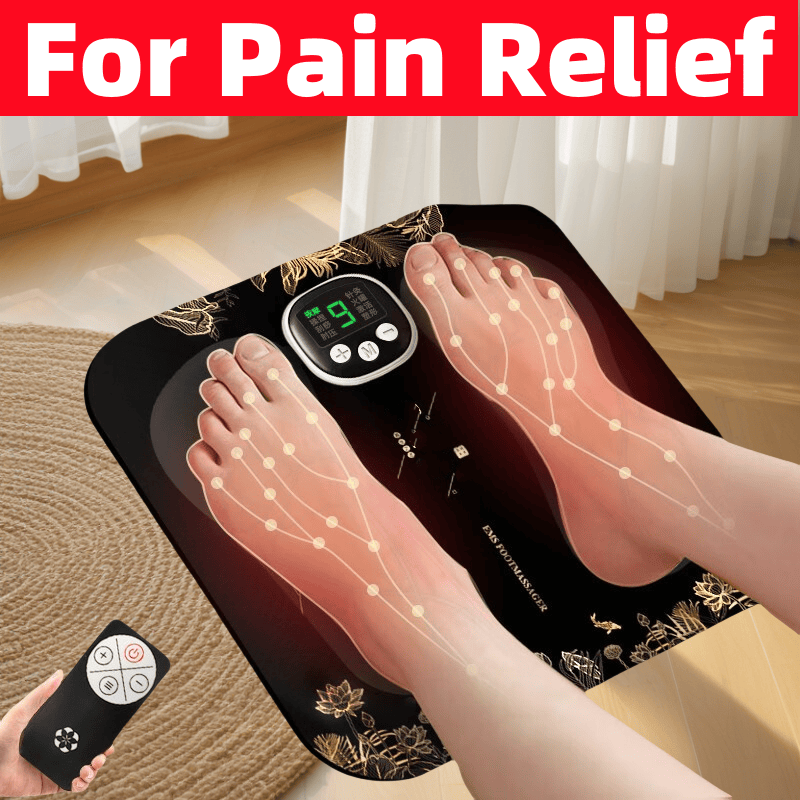
EMS Foot Massager Pad Price, Muscle Stimulator Mat
Introduction: The Allure of At-Home EMS Technology
Electrical Muscle Stimulation (EMS) is no longer confined to physical therapy clinics. It has been successfully miniaturized and consumerized, offering the promise of professional-level muscle treatment from the comfort of your living room. A dedicated EMS foot massager targets the complex structure of the foot, which bears the brunt of our daily activities. Similarly, an EMS foot massager pad offers a more portable and often more affordable option, while a full EMS massage mat extends the benefits to the entire body. But like any wellness product, they are not a one-size-fits-all solution. This article provides a balanced, in-depth look at the benefits and limitations you should consider.
The Pros: Advantages of Using an EMS Foot Massager
The benefits of incorporating EMS technology into your routine are multifaceted, impacting physical comfort, circulation, and overall well-being.
1. Targeted Relief from Pain and Discomfort
The most significant advantage is the ability to alleviate specific aches and pains.
Deep Muscle Stimulation: EMS impulses penetrate deep into muscle tissue, helping to soothe soreness caused by conditions like plantar fasciitis, arch strain, and general fatigue from standing or walking.
Reduction of Muscle Tension: The rhythmic contractions forced upon the muscles help to break cycles of tension and spasm, providing relief that can feel more targeted and intense than a standard mechanical massage.
2. Enhanced Blood Circulation and Reduced Swelling
Improved circulation is a cornerstone benefit of EMS technology.
Promotes Venous Return: The contraction and relaxation of calf and foot muscles act as a secondary pump, assisting veins in pushing blood back up toward the heart. This is particularly beneficial for those who experience swelling (edema) in their feet and ankles after long periods of sitting or standing.
Oxygen and Nutrient Delivery: By boosting blood flow, EMS helps deliver oxygen and essential nutrients to tired muscles, accelerating the natural recovery process.
3. Convenience and Accessibility of At-Home Treatment
The convenience factor cannot be overstated.
On-Demand Therapy: You have access to a massage whenever you need it, without the cost and scheduling hassle of appointments with a physiotherapist or massage therapist.
Ease of Use: Modern devices are designed for simplicity. With intuitive controls and pre-programmed modes, achieving a therapeutic session is as easy as sitting down and pressing a button.
Portability: Devices, especially an EMS foot massager pad, are typically lightweight and compact. They can be easily stored under a desk or in a closet and are perfect for travelers seeking relief on the go.
4. Non-Invasive and Drug-Free Pain Management
In an era where many seek alternatives to pharmaceuticals, EMS offers a compelling option.
Chemical-Free Relief: It provides a method for managing chronic foot pain or acute soreness without the need for painkillers or anti-inflammatory drugs, avoiding potential side effects.
Complementary Therapy: It can be used effectively alongside other treatments like stretching, icing, or orthotics, enhancing an overall wellness strategy.
5. Promotes Relaxation and Stress Reduction
The benefits extend beyond the physical.
Stimulates Endorphin Release: The massage action can stimulate the release of endorphins, the body’s natural “feel-good” chemicals, promoting a sense of calm and well-being.
Improves Sleep: A relaxing session before bed can ease overall bodily tension, making it easier to fall asleep and improving sleep quality.
6. Versatility of a Full EMS Massage Mat
While a foot massager is specific, investing in an EMS massage mat expands these benefits.
Full-Body Application: You can target other areas of tension, such as the lower back, calves, hamstrings, and shoulders, offering greater overall value from a single device.
The Cons: Limitations and Considerations
Despite the impressive benefits, there are important drawbacks and safety considerations to keep in mind.
1. Specific Medical Contraindications and Safety Risks
This is the most critical category of disadvantages.
Not Suitable for Everyone: Individuals with certain medical conditions must avoid EMS technology entirely. This includes people with:
Pacemakers or other implanted electronic devices (risk of interference).
Pregnancy (due to a lack of safety data and potential risks).
Deep Vein Thrombosis (DVT) or a history of blood clots (stimulation could dislodge a clot).
Epilepsy or serious neurological conditions.
Heart disease or hypertension (unless explicitly cleared by a doctor).
Skin Irritation: The electrical conductivity requires direct skin contact. For some users, especially with sensitive skin, this can lead to redness, irritation, or a rash, particularly after prolonged use or if the intensity is set too high.
2. Variable Effectiveness and User Experience
The results are not guaranteed and can differ from person to person.
Subjective Sensation: The feeling of electrical stimulation is not enjoyable for everyone. Some may find the tingling or contracting sensation unusual, mildly uncomfortable, or even unpleasant.
Temporary Relief: For many, the relief provided is symptomatic and temporary. It may soothe aching feet after a long day but does not necessarily address the underlying cause of the pain (e.g., poor footwear, biomechanical issues).
3. Cost and Quality Considerations
The market is flooded with options at varying price points.
Initial Investment: A high-quality, durable EMS foot massager can represent a significant financial investment. While there are cheaper options (often simple EMS foot massager pad models), they may be less effective, feature-poor, or have shorter lifespans.
Risk of Low-Quality Products: The popularity of EMS has led to an influx of poorly made products from unknown brands. These can be ineffective, uncomfortable, or even pose a safety hazard due to faulty wiring or inconsistent electrical output.
4. Limitations in Massage Technique
While effective, EMS cannot replicate every aspect of a human massage.
Lack of Heat and Pressure: Most EMS units do not provide heat therapy or the deep, manual pressure that a professional massage therapist can apply. The experience is purely based on electrical stimulation and muscle contraction.
Generic Programs: Although they offer multiple modes, the programs are pre-set and generic. They cannot adapt in real-time to your specific knots and tension points like a human can.
5. Maintenance and Practicality
Dependence on Power: Units need to be charged or plugged in. A dead battery means no massage, which can be frustrating if you forget to charge it.
Cleaning: The pads require regular cleaning to maintain hygiene and conductivity, which is an extra step in your routine.
Weighing the Pros and Cons: Who is it For?
After reviewing the EMS foot massager pros and cons, it becomes easier to identify the ideal user.
An EMS foot massager is likely a GOOD fit for:
Individuals with general foot fatigue from daily activities or exercise.
People who are on their feet all day (e.g., nurses, teachers, retail workers).
Those seeking a drug-free method to manage chronic foot pain (after consulting a doctor).
Anyone looking for a convenient tool to enhance relaxation and improve circulation.
Travelers who want a portable solution for muscle relief.
An EMS foot massager might be a POOR fit for:
Anyone with a contraindicated medical condition (see list above).
Individuals who are highly sensitive to electronic stimuli.
Those seeking a permanent cure for a specific foot ailment without addressing the root cause.
Users expecting a traditional, hands-on massage experience with heat and deep pressure.
Conclusion: An Informed Decision for Your Wellness
The EMS foot massager pros and cons paint a picture of a highly useful, but specific, wellness tool. The advantages—targeted pain relief, improved circulation, unparalleled convenience, and drug-free management—are powerful and can significantly enhance quality of life for the right person.
However, these benefits are tempered by real safety restrictions, variable effectiveness, and a cost that may not be justifiable for everyone. The key to a positive experience lies in managing expectations, prioritizing safety by consulting a physician with any concerns, and investing in a quality product from a reputable brand.
Whether you choose a focused EMS foot massager pad for your desk drawer or a full EMS massage mat for your living room, doing your homework on these pros and cons ensures that your journey into electronic muscle stimulation is both safe and satisfying.
Related topics:
https://how2invest.com.in/are-tungsten-rings-a-good-choice-pros-and-cons-explained/
The Heft and Feel: What to Expect from the Weight of a Tungsten Ring
The Scratch-Resistant Promise: How Hard Are Tungsten Rings Really?
How to Personalize Your Tungsten Ring: Inlays, Finishes, and Designs