
How Do You Release Tension in Your Neck and Shoulders? A Comprehensive Guide to Relief

Neck and shoulder tension has become an epidemic in our modern society, affecting millions of people worldwide. From desk workers to athletes, virtually everyone experiences muscle tightness in these areas at some point. The question “how do you release tension in your neck and shoulders” is more relevant than ever, and the answers range from simple stretches to advanced technological solutions. This comprehensive guide explores effective strategies for relieving upper body tension, with particular focus on the role of massage devices and integrated approaches to lasting relief.
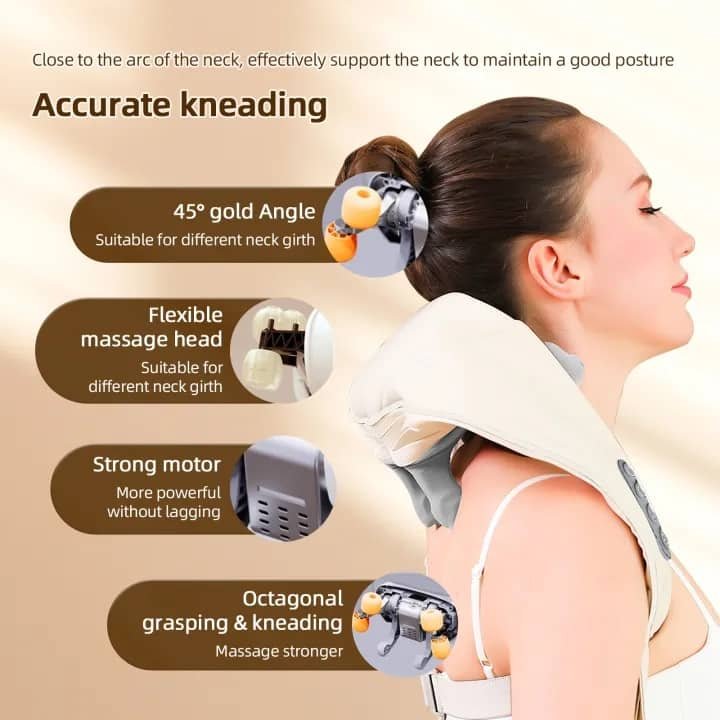
Understanding Neck and Shoulder Tension
Before addressing solutions, it’s important to understand what causes neck and shoulder tension:
Common Causes:
Poor posture (especially from phone and computer use)
Stress and anxiety
Muscle overuse or strain
Sleeping in awkward positions
Underlying medical conditions
Dehydration and nutritional factors
The Impact of Chronic Tension:
Headaches and migraines
Reduced mobility and flexibility
Sleep disturbances
Decreased productivity
Overall reduced quality of life
Immediate Relief Techniques
1. Targeted Stretching
Simple stretches can provide immediate relief:
Chin tucks and neck rotations
Shoulder rolls and shrugs
Cross-body shoulder stretches
Ear-to-shoulder stretches
2. Heat Therapy
Applying heat helps:
Increase blood flow to tense areas
Relax muscle fibers
Reduce pain perception
Improve flexibility
3. Self-Massage Techniques
Basic manual methods include:
Using tennis balls against walls
Applying pressure with fingertips
Using foam rollers
Gentle kneading of tight areas
The Role of Massage Devices in Tension Relief
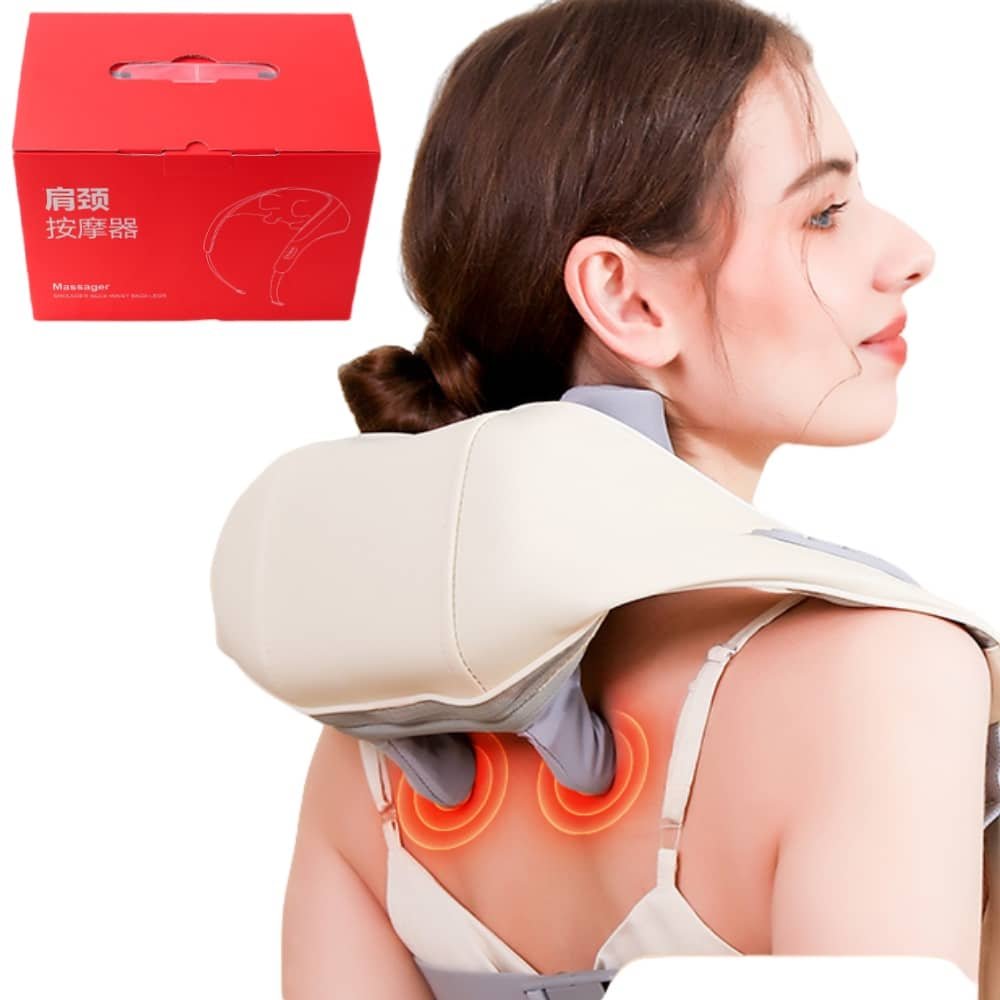
Shiatsu Neck and Shoulder Massager Machine with Heat
Modern massage technology offers sophisticated solutions for persistent tension:
Types of Massage Devices:
Manual massagers: Simple, portable tools
Electric shoulder massager: Powered devices with various settings
Shiatsu neck and shoulder massager: Japanese-style rotating nodes
Percussion massagers: Rapid tapping devices
Vibration massagers: High-frequency oscillation units
Benefits of Using Massage Devices:
Consistent pressure application
Ability to reach difficult areas
Customizable intensity levels
Convenient home use
Cost-effective long-term solution
Choosing the Right Massager for Your Needs
For General Tension Relief:
Neck and shoulder massager: Basic models for occasional use
Shoulder massager: Focused on specific shoulder issues
Electric shoulder massager: Versatile and adjustable
For Chronic Pain:
Best massager for shoulder pain: Medical-grade devices
Massager for neck and shoulder pain: Comprehensive coverage units
Heated neck and back massager: Combined thermal therapy
For Advanced Features:
Neck and shoulder massager with heat: Enhanced relaxation
Shiatsu neck and shoulder massager: Deep tissue manipulation
Shoulder and back massager: Extended coverage
Premium Options:
Best neck and shoulder massager: Top-rated comprehensive units
Neck and shoulder massager machine: Professional-grade equipment
Best shoulder massager: Specialized high-performance devices
Effective Usage Techniques for Massage Devices
Preparation:
Warm up muscles with light movement
Ensure proper hydration
Choose a comfortable position
Start with lowest intensity setting
Application:
Move slowly across muscle groups
Focus on tight areas but avoid over-treatment
Use heat function if available
Limit sessions to 10-15 minutes initially
Post-Massage Care:
Gentle stretching
Adequate water intake
Avoid immediate strenuous activity
Note any reactions or improvements
Integrated Approach to Tension Relief
1. Posture Correction
Ergonomic workspace setup
Regular posture checks
Strengthening exercises
Awareness training
2. Stress Management
Meditation and breathing exercises
Regular physical activity
Adequate sleep hygiene
Work-life balance
3. Exercise and Movement
Regular stretching routine
Strength training for supporting muscles
Cardiovascular exercise
Yoga or Pilates practice
4. Professional Support
Physical therapy when needed
Massage therapy sessions
Chiropractic care
Medical consultation for persistent issues
Daily Maintenance Routine
Morning:
Gentle neck rotations
Shoulder rolls
Posture awareness practice
Hydration focus
Throughout Day:
Regular movement breaks
Desk stretches
Posture checks
Stress management moments
Evening:
Comprehensive stretching
Massage device use
Heat therapy if needed
Relaxation techniques
When to Seek Professional Help
Warning Signs:
Persistent pain despite self-care
Radiating pain or numbness
Weakness in arms or hands
Headaches that won’t resolve
Symptoms affecting daily activities
Professional Options:
Physical therapy assessment
Massage therapy sessions
Chiropractic evaluation
Medical consultation
Prevention Strategies
Workplace Modifications:
Ergonomic chair and desk setup
Monitor at eye level
Regular break schedule
Standing desk options
Lifestyle Adjustments:
Regular exercise routine
Stress reduction practices
Adequate sleep schedule
Proper nutrition and hydration
Mindful Habits:
Posture awareness
Regular movement
Stress management
Body awareness development
Technology-Assisted Solutions
Modern Tools:
Posture correction apps
Reminder systems for breaks
Activity trackers
Ergonomic assessments
Advanced Massage Devices:
Shoulder massager machine: Comprehensive treatment units
Best neck shoulder massager: Top-rated specialized devices
Neck shoulder massager with heat: Thermal therapy integration
Shoulder back massager: Extended coverage systems
Measuring Progress and Effectiveness
Tracking Methods:
Pain journaling
Mobility measurements
Function improvement notes
Quality of life assessments
Adjustment Strategies:
Modifying techniques as needed
Changing device settings
Adjusting frequency of use
Incorporating new approaches
Conclusion: A Comprehensive Approach to Tension Relief
Releasing neck and shoulder tension requires a multifaceted approach that addresses both symptoms and underlying causes. While massage devices like the best neck and shoulder massager can provide significant relief, they work best as part of a comprehensive strategy that includes:
Key Elements:
Regular stretching and movement breaks
Proper posture maintenance throughout the day
Stress management techniques and practices
Targeted massage using appropriate devices
Professional guidance when needed
The Role of Technology:
Modern massage devices, from simple shoulder massager units to advanced neck and shoulder massager machine systems, offer powerful tools for managing tension. When chosen carefully and used correctly, these devices can provide:
Immediate relief from discomfort
Long-term improvement in muscle health
Convenient access to massage therapy
Cost-effective solution for ongoing care
Final Recommendations:
Start with simple stretches and posture improvements
Consider investing in a quality massage device that meets your needs
Develop consistent habits for tension management
Seek professional help if symptoms persist
Remember that prevention is the best strategy for long-term relief
By understanding the various approaches to tension relief and implementing a consistent routine, you can effectively manage neck and shoulder tension and improve your overall quality of life. Whether you choose a basic electric shoulder massager or a comprehensive shoulder and back massager, the key is finding what works for your specific needs and using it consistently as part of your overall wellness strategy.
Related topics:
The Art of Appreciation: Selecting Meaningful Employee Recognition Gifts