
How Do You Waterproof Your Knee After Surgery?

Recovering from knee surgery is a journey that requires patience, dedication, and meticulous care. One of the most immediate and frustrating challenges patients face is the simple act of bathing. Whether you have a post-operative dressing, stitches, staples, or even a cast, keeping the knee dry is not merely a suggestion—it is a critical medical imperative. Introducing moisture to the surgical site can lead to severe infections, macerated skin, delayed healing, and the potential for further complications.
Fortunately, modern medical technology offers an elegant and highly effective solution: the waterproof cover for knee after surgery. This guide will provide a comprehensive overview of how to properly waterproof your knee, ensuring you can shower with confidence and safeguard your recovery.
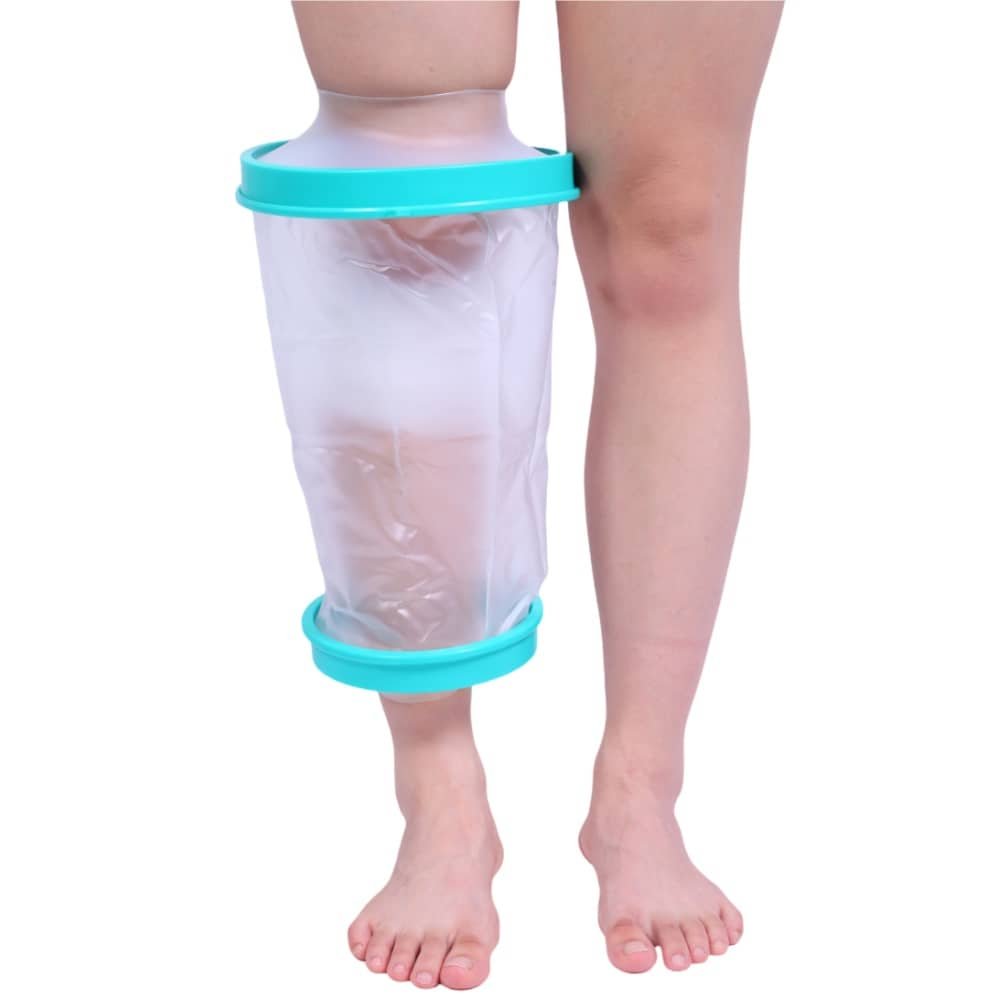
Waterproof Knee Cast Cover For Shower After Surgery
The Critical Importance of Keeping Your Surgical Site Dry
After any surgical procedure, the body works to create a closed environment where tissues can repair themselves. Introducing water, along with the bacteria and contaminants it carries, disrupts this process. The risks of a wet surgical site are significant:
Infection: This is the primary concern. Water, especially from a shower that isn’t perfectly clean, can carry bacteria into the incision. This can cause a localized infection (cellulitis) or a more serious deep tissue infection, potentially requiring antibiotics, additional procedures, or hospitalization.
Maceration: When skin is kept wet for prolonged periods, it becomes soft, white, and wrinkled. This macerated skin is extremely fragile, prone to breaking down, and can delay the healing of the incision itself. It can also cause the adhesive on tapes and dressings to fail.
Suture/Staple Complications: Moisture can weaken the threads of dissolvable sutures and increase the risk of irritation and infection around non-dissolvable stitches or staples.
Dressing Breakdown: The primary post-op dressing is designed to absorb minimal drainage and protect the wound. Soaking it renders it useless and necessitates an early change, which can be painful and should ideally be done by a medical professional.
Your surgeon’s instruction to keep the area dry is the cornerstone of preventing these issues. A waterproof knee protector is the most reliable tool to help you adhere to this instruction.
The Gold Standard: Dedicated Waterproof Knee Covers
While DIY methods exist, the most effective and secure way to waterproof your knee is by using a purpose-built medical device. A waterproof knee cover for shower is specifically engineered for this task, offering a level of protection that makeshift solutions cannot match.
How They Work:
These protectors are typically designed as a sleeve or a bag with a sealing mechanism. High-quality models are made from clear, durable, medical-grade plastics like TPU or PVC. The key feature is a flexible, wide seal made of hypoallergenic silicone that fits snugly around your thigh and calf, creating a watertight gasket that prevents any moisture from reaching the knee. The transparency allows you to visually confirm that the seal is intact and your knee remains dry.
Types of Covers:
Universal Shower Sleeves: These are long tubes with seals at both ends. You slide your entire leg in, and the seals contract around your thigh and ankle. These are excellent for protecting large areas.
Knee-Specific Bags: These are shaped more like a bag with a single large opening that is sealed high on the thigh. They are easier to put on for some users and are perfectly suited for isolating the knee.
When choosing a waterproof knee shower protector, look for:
Wide, Soft Seals: A wide silicone seal distributes pressure evenly, preventing it from being too tight or cutting off circulation. This is crucial for comfort, especially if you have swelling.
Ample Size: Ensure the cover is large enough to comfortably fit over your knee and any bandages or braces you may be wearing.
Reusability: A good cover can be used dozens of times, making it cost-effective for a recovery period that may last several weeks.
Step-by-Step Guide to Using a Waterproof Knee Cover
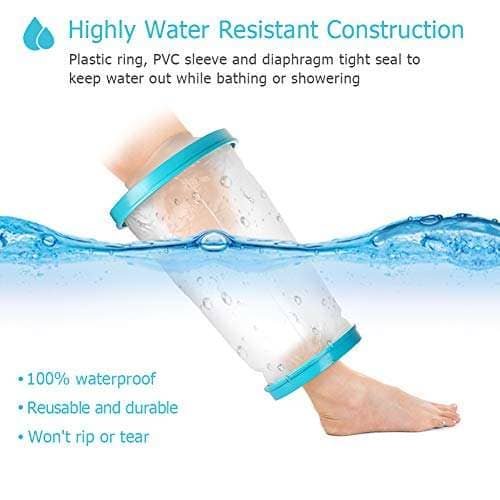 Proper application is the key to staying dry. Follow these steps for using your knee cast cover for shower:
Prepare Your Skin: The areas where the seals will sit (on your thigh and calf) must be clean, completely dry, and free of lotions, oils, or creams. These substances can break the seal. If needed, you can use a small amount of talcum powder to help the seal grip better on dry skin.
Prepare the Cover: If using a sleeve-style cover, turn it partially inside out. This makes it much easier to slide onto your leg without straining your knee.
Apply the Cover: Gently slide the cover over your foot and onto your leg. Carefully position the seals so they sit on smooth, uniform areas of skin well above and below the surgical site. Avoid placing the seal directly on a joint or a bony area where it cannot form a tight seal.
Secure the Seal: Slowly unroll or adjust the cover so it sits smoothly over your knee. Ensure the seals are snug and comfortable. You should be able to fit a finger under the seal, but it should not be so loose that it gaps.
The Pre-Shower Check: Before entering the shower, feel around the seals for any obvious folds or gaps. The transparent material allows you to see that everything is properly positioned.
Shower Mindfully: Use a shower chair or stool for stability. This minimizes the risk of slipping and accidentally jarring your knee or damaging the cover. Avoid directing a high-pressure shower stream directly at the seals for prolonged periods.
Dry Thoroughly Afterward: After showering, carefully pat the outside of the cover dry before removing it. Gently roll or slide the cover off. Immediately dry your skin under the seals with a soft towel.
Alternative Methods and Their Drawbacks
Before commercial covers were available, people relied on DIY methods. These are not recommended as they carry a high risk of failure.
Plastic Wrap and Tape: While cling film (like Press’n Seal) can form a decent barrier for a very quick wash, it is prone to tearing and is incredibly difficult to seal effectively around the contours of a knee. Tape does not stick well to wet skin and can irritate the skin or pull out hair.
Trash Bags: This is a highly unreliable method. Bags tear easily and cannot be sealed effectively around the leg, almost guaranteeing that water will find its way in.
These methods might seem convenient, but the risk of soaking your surgical dressing is not worth it. A dedicated waterproof knee cast protector is a safe and worthwhile investment in your recovery.
Special Considerations and Final Tips
Swelling (Edema): If your leg is significantly swollen, a standard cover might not fit correctly. Some companies offer covers specifically designed for swollen limbs. Ensure the seal is comfortable and not restrictive.
Bruising and Sensitivity: Be extra gentle when applying and removing the cover around bruised and tender skin.
When in Doubt, Sponge Bathe: If you do not have a reliable cover, or if your incision cannot get wet under any circumstances (as per your surgeon’s orders), sponge bathing is the safest alternative. It is better to be cautious than to risk an infection.
Conclusion: Shower with Confidence
Waterproofing your knee after surgery is a simple yet vital part of your post-operative care. By investing in a high-quality waterproof cover for knee after surgery and learning how to use it correctly, you can maintain your hygiene and independence without compromising your recovery. The peace of mind that comes from knowing your incision is safe and dry is invaluable. Remember, protecting your knee today ensures a smoother, faster, and more successful healing journey tomorrow. Always follow your surgeon’s specific instructions, and when you step into the shower, let your waterproof knee shower protector handle the worry, so you can focus on getting better.