
How Many Hours a Day Should You Wear a Bunion Corrector?

The journey to managing bunion pain and improving foot alignment often leads to the world of bunion correctors, a category that encompasses devices like toe separators for bunions correction, silicone toe separators for bunions, and big toe separators. A common and critical question arises for anyone investing in these tools: “How many hours a day should I wear this to see results?” The answer is not a one-size-fits-all number but rather a personalized prescription based on your goals, the device type, and your body’s response. Finding the “sweet spot” for wear time is the key to unlocking the benefits of these devices without causing discomfort or injury.

This in-depth guide will help you navigate the nuances of bunion corrector usage, providing a clear framework for determining the optimal daily wear schedule for your specific situation.
Understanding the Purpose: What Are You Wearing It For?
Before setting a timer, it’s essential to understand what bunion correctors are designed to do. Their primary functions are:
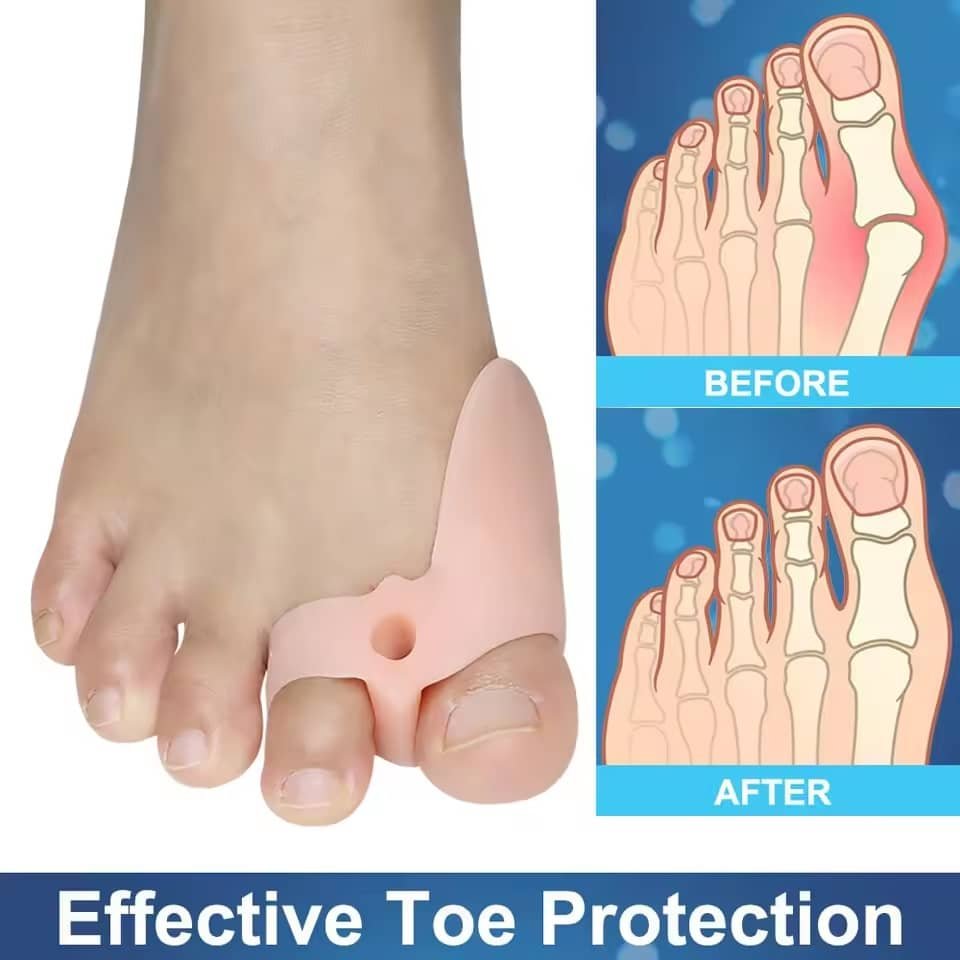
Pain Relief: Devices like soft gel toe separators for bunions primarily act as cushions. They reduce friction between the big and second toe, alleviating pressure on the inflamed bunion joint and preventing painful corns and calluses.
Passive Stretching & Realignment: Correctors, especially firmer silicone toe separators for bunions or dedicated big toe separators, apply a gentle, constant force. This stretches the tightened ligaments, tendons, and joint capsule on the medial side of the foot, encouraging the big toe to gradually move toward a neutral position.
Slowing Progression: Consistent use can help counteract the deforming forces that worsen a bunion over time, potentially slowing its progression.
The wear time needed for pain relief is different from that required for attempting realignment.
The Golden Rule: Start Low and Go Slow
This is the most important principle to follow. Your feet have adapted to their misaligned position over years. Suddenly forcing them into a new alignment for extended periods can cause strain, pain, and inflammation, ultimately setting you back.
A standard and highly recommended progression schedule is:
Week 1: Acclimation (15-60 minutes)
Days 1-3: Begin by wearing the corrector for just 15-30 minutes while you are resting—sitting down reading, watching TV, or working at a desk. This allows your toes and soft tissues to experience the stretch without the added stress of bearing weight.
Days 4-7: If you feel no sharp pain or numbness, gradually increase the time to 45-60 minutes per session.
Week 2-3: Building Tolerance (1-2 hours)
Aim for 1-2 hours of wear time during restful activities. You can break this into two sessions (e.g., one hour in the morning, one in the evening) if that feels more comfortable.
Week 4 and Beyond: Therapeutic Use (2+ hours)
Once your feet have fully acclimated, the ideal therapeutic window for many is 2-4 hours per day. For many, the most convenient and effective time to achieve this is during the evening while relaxing or during sleep.
Day vs. Night: When Should You Wear It?
The optimal time of day depends entirely on the type of corrector you have.
Daytime Wear (For Pain Prevention & Mild Stretching):
Devices: Soft, flexible gel toe separators for bunions or slim silicone toe separators for bunions.
Goal: Pain relief and mild alignment while moving.
Wear Time: Can be worn for several hours inside your shoes ONLY if your shoes have a very wide and deep toe box. If your shoes are even slightly narrow, the corrector will create harmful pressure points. Never force a corrector into tight footwear. The duration is limited by your shoe-wearing time.
Nighttime Wear (For Active Correction & Deep Stretching):
Devices: Larger, more rigid toe separators for bunions correction, big toe separators, or dedicated night splints.
Goal: Active realignment and deep stretching when the body is at rest and muscles are relaxed. This is often considered the most effective time for corrective work.
Wear Time: Once acclimated, you can wear these devices for the entire night, typically 6-8 hours. The extended period of gentle, consistent stretch while you sleep can yield significant improvements in flexibility and alignment over time.
Tailoring Wear Time to Your Specific Device
Soft Gel/Silicone Separators (e.g., standard toe separators for bunions women models): These are best for shorter, more frequent sessions or all-day wear in appropriate shoes. Aim for 2-6 hours total, broken up as needed.
Firm Silicone Correctors (e.g., YogaToes, NatraCure): These provide a stronger stretch. Follow the “start low and go slow” principle strictly. The target is 1-3 hours of daily use during rest.
Rigid Night Splints/Correctors: Designed specifically for extended wear. After acclimation, overnight use is the goal.
Targeted Devices (e.g., big toe separators for overlapping toes): Wear time follows the same principles as standard separators. The focus is on consistent daily use to address the specific overlap.
Listening to Your Body: The Ultimate Guide
The prescribed hours are merely a guideline. Your body will give you the most accurate feedback. Here’s what to pay attention to:
Good Sensation: A gentle, dull stretch or pulling feeling around the big toe joint is normal and desired.
Bad Sensations (Time to Remove the Device):
Sharp or Shooting Pain: This indicates you’re stretching too aggressively or for too long.
Numbness or Tingling: This signals that the device is impinging on a nerve or cutting off circulation. Adjust the fit or remove it immediately.
Throbbing or Increased Swelling: This is a sign of inflammation. You need to rest and reduce your wear time.
Red Marks That Don’t Fade Quickly: Deep, persistent red marks indicate excessive pressure.
If you experience any negative symptoms, take a break for a day or two. When you resume, cut your previous wear time in half and build back up even more slowly.
Beyond the Corrector: A Holistic Approach for Best Results
Wearing a corrector in isolation is not enough. To achieve the best outcomes, integrate it into a full foot care routine:
Supportive Footwear: This is non-negotiable. You must wear shoes with a wide toe box every day to allow your toes to splay naturally. Otherwise, you are undoing any progress made with the corrector.
Foot Strengthening Exercises: Perform exercises like toe spreads, towel scrunches, and marble pickups without the corrector to build the intrinsic muscles that support alignment.
Consistency: Wearing your big toe separator for 30 minutes every day is far more effective than wearing it for three hours once a week. Daily consistency is key to creating lasting change in soft tissue flexibility.
Conclusion: Quality Over Quantity
There is no magic number of hours that guarantees results. The perfect daily duration for wearing a bunion corrector is the longest amount of time you can wear it comfortably and consistently without causing pain.
For most people, this lands in the 2 to 4-hour range for active correction during rest, with the potential for all-day wear of slim models for pain prevention. Remember, the goal is not to endure a painful ordeal but to provide a gentle, persistent reminder to your feet of their proper alignment. By starting slowly, listening to your body, and pairing your device with proper footwear and exercises, you will find the wear-time rhythm that effectively helps you manage bunion pain and work toward healthier foot alignment.