
How Should I Sleep With Neck and Shoulder Pain? A Comprehensive Guide to Restful Nights

Sleeping with neck and shoulder pain can feel like an impossible challenge, turning what should be restorative rest into a source of additional discomfort and frustration. The question “how should I sleep with neck and shoulder pain” is crucial because poor sleep positions can exacerbate existing issues while proper alignment can significantly improve your condition. This comprehensive guide explores evidence-based strategies for sleeping comfortably despite neck and shoulder pain, including the strategic use of massage devices and other therapeutic approaches.

Understanding Sleep-Related Neck and Shoulder Pain
Before addressing solutions, it’s important to understand why neck and shoulder pain often worsens at night:
Common Causes of Nighttime Pain:
Poor sleeping positions that strain muscles
Unsupportive pillows and mattresses
Muscle stiffness from daytime activities
Inflammatory processes that intensify during rest
Pressure points from awkward positioning
The Vicious Cycle:
Pain → Poor sleep → Increased inflammation → More pain → Worse sleep
Breaking this cycle requires addressing both daytime management and nighttime positioning.
Optimal Sleeping Positions for Neck and Shoulder Pain
1. Back Sleeping (Supine Position)
Best for:
Even weight distribution
Spinal alignment
Reducing pressure points
How to optimize:
Use a thinner pillow that supports the natural cervical curve
Place a small pillow under the knees to reduce lower back strain
Keep arms at sides rather than overhead
2. Side Sleeping (Lateral Position)
Best for:
Reducing sleep apnea symptoms
Pregnancy comfort
Shoulder pain management
How to optimize:
Use a pillow that fills the space between ear and shoulder
Keep the bottom arm forward rather than under the body
Place a pillow between knees for spinal alignment
Switch sides periodically if possible
3. Modified Fetal Position
Best for:
Disc-related pain
General comfort
How to optimize:
Maintain a relatively straight back rather than extreme curl
Use adequate pillow support for the head and neck
Avoid tucking chin to chest
Positions to Avoid:
Stomach sleeping (causes neck rotation and strain)
Arm overhead positions (can impinge shoulder nerves)
Fetal position that’s too tight (increases compression)
Pillow Selection and Positioning
Key Pillow Considerations:
Loft height: Should match shoulder width for side sleepers
Firmness: Medium firm usually works best for pain
Material: Memory foam often provides best support
Shape: Contoured pillows can better support cervical curve
Strategic Pillow Placement:
Between knees for side sleepers
Under knees for back sleepers
Behind back for roll prevention
Supporting arms to reduce shoulder strain
The Role of Massage Devices in Pain Management
Massage devices can be valuable tools when used strategically as part of your pain management routine:
Pre-Sleep Relaxation:
Using a neck and shoulder massager before bed can:
Reduce muscle tension
Increase blood flow
Promote relaxation
Decrease pain signals
Device Selection Guide:
For general tension: Shoulder massager with gentle settings
For deep muscle pain: Shiatsu neck and shoulder massager
For comprehensive coverage: Shoulder and back massager
For thermal therapy: Neck and shoulder massager with heat
Recommended Usage Protocol:
Use 30-60 minutes before bedtime
Start with lowest intensity settings
Limit sessions to 10-15 minutes
Combine with deep breathing exercises
Evening Routine for Pain Reduction
1. Pre-Sleep Preparation (60 minutes before bed)
Warm shower or bath
Gentle stretching routine
Massage device application
Relaxation techniques
2. Sleep Environment Optimization
Cool room temperature (60-67°F)
Complete darkness
Quiet or white noise
Supportive mattress and pillows
3. Pain Management Integration
Strategic pillow arrangement
Position adjustments as needed
Emergency pain relief options nearby
Sleep-friendly clothing choices
Therapeutic Interventions and Professional Approaches
When to Consider Professional Help:
Pain persists despite positional adjustments
Numbness or tingling in arms or hands
Morning headaches regularly occur
Limited neck mobility upon waking
Professional Options:
Physical therapy assessment
Occupational therapy guidance
Chiropractic evaluation
Sleep specialist consultation
Product Recommendations and Solutions
Massage Devices for Nighttime Use:
Best neck and shoulder massager: Therabody Wave Duo
Shoulder massager machine: Renpho Shiatsu Massager
Heated neck and back massager: Snailax Shiatsu Massager
Electric shoulder massager: Zyllion Shiatsu Massager
Supportive Sleep Products:
Tempur-Pedic Neck Pillow
Coop Home Goods Adjustable Pillow
MedCline Shoulder Relief System
Purple Harmony Pillow
Lifestyle Modifications for Better Sleep
Daytime Habits That Improve Nighttime Comfort:
Regular exercise (but not too close to bedtime)
Proper hydration throughout day
Stress management techniques
Posture awareness during waking hours
Evening Practices:
Digital detox 1 hour before bed
Relaxing activities (reading, gentle music)
Consistent sleep schedule
Mindfulness or meditation practice
Pain Management Strategies
Immediate Relief Options:
Heat therapy for muscle stiffness
Cold packs for inflammation
Gentle movement breaks
Over-the-counter pain relief (as directed)
Long-Term Management:
Physical therapy exercises
Strength training for supporting muscles
Flexibility improvement program
Weight management if appropriate
Monitoring Progress and Adjusting Strategies
Sleep Quality Tracking:
Pain levels upon waking
Sleep duration and quality
Morning mobility assessment
Daytime energy levels
Adjustment Guidelines:
Modify positions based on comfort
Change pillow support as needed
Adjust massage device usage
Update routine based on effectiveness
When to Seek Emergency Care
Red Flag Symptoms:
Severe, sudden pain
Loss of bladder or bowel control
Progressive weakness in arms or legs
Fever with neck pain
Trauma-related pain
Conclusion: Creating Your Personalized Sleep Solution
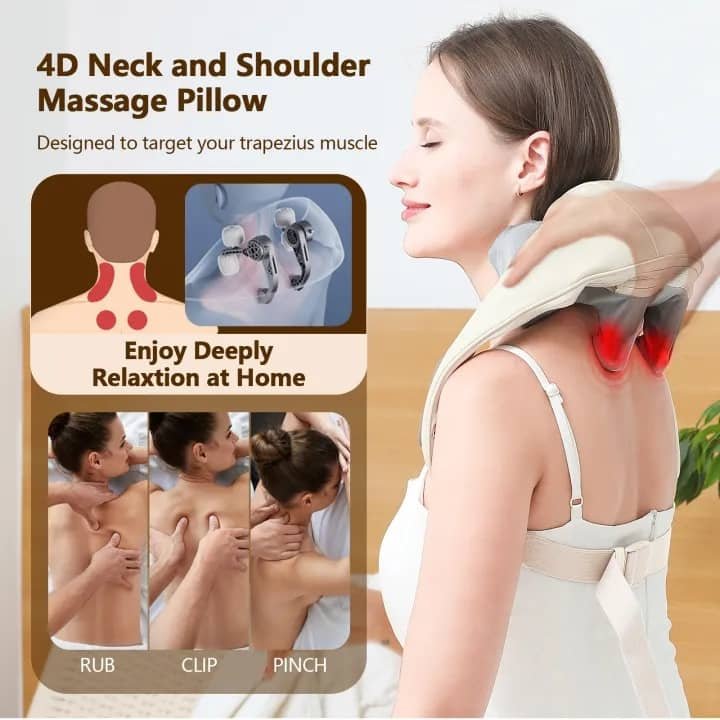 Sleeping with neck and shoulder pain requires a personalized, multi-faceted approach that addresses both immediate comfort and underlying causes. By implementing strategic sleeping positions, optimizing your sleep environment, and incorporating targeted pain management techniques including the thoughtful use of massage devices, you can significantly improve your sleep quality and overall comfort.
Key Takeaways:
Position matters most: Back or side sleeping with proper support is usually best
Pillow selection is crucial: Invest in pillows that match your sleeping style
Massage devices can help: Used strategically, devices like a best massager for shoulder pain can provide pre-sleep relief
Consistency is key: Develop and maintain a regular sleep routine
Professional help is available: Don’t hesitate to seek expert guidance
Creating Your Action Plan:
Assess your current sleep position and make adjustments
Evaluate your pillow and mattress support
Consider incorporating a massager for neck and shoulder pain into your evening routine
Develop a consistent pre-sleep relaxation practice
Monitor your progress and make adjustments as needed
Remember that improving sleep with neck and shoulder pain is often a process of trial and error. What works for one person may not work for another, so be patient and willing to experiment with different strategies. Whether you choose a simple shoulder back massager or a comprehensive neck and shoulder massager machine, the goal is finding solutions that help you achieve the restful, restorative sleep you need for healing and overall well-being.
By taking a proactive approach to your sleep environment and pain management, you can transform nights from a source of dread into an opportunity for healing and rejuvenation.
Related topics:
The Art of Appreciation: Selecting Meaningful Employee Recognition Gifts