
How to Correct Hallux Valgus Without Surgery

Hallux valgus, the medical term for a bunion, is a common and often painful foot deformity characterized by a bony bump at the base of the big toe. This bump is the visible sign of a deeper structural issue: the first metatarsal bone shifting outward while the big toe drifts inward toward the smaller toes. For many, the prospect of bunion surgery—with its significant cost, pain, and lengthy recovery time—is daunting. This leads to a critical question: is it possible to correct hallux valgus without surgery?
The unequivocal medical consensus is that non-surgical methods cannot permanently reverse or “cure” a fully developed bunion. Surgery is the only intervention that can physically cut and realign the bone. However, to dismiss non-surgical care based on this fact is to miss its profound value. A comprehensive conservative approach can effectively manage pain, halt or dramatically slow the progression of the deformity, and improve foot function to a degree that makes surgery unnecessary for many individuals. This journey is not about achieving a perfectly straight toe overnight but about empowering yourself with strategies to control the condition and maintain an active, pain-free life.
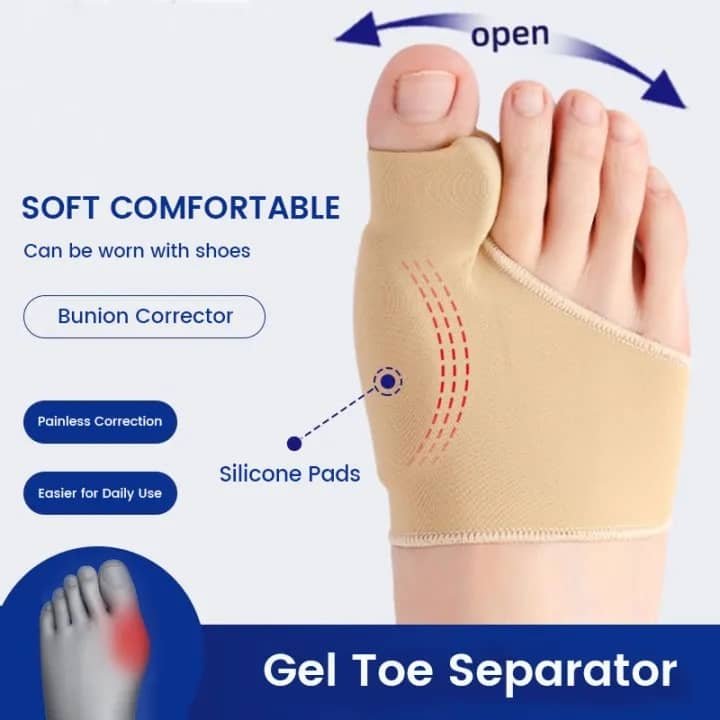
Gel Big Toe Separators for Bunions 7
Understanding the Goal: Management and Control
The primary objectives of non-surgical hallux valgus correction are:
Pain Relief: To reduce inflammation and pressure on the painful bursa and joint.
Progression Prevention: To address the biomechanical forces that cause the bunion to worsen over time.
Functional Improvement: To restore proper gait, allow for comfortable footwear, and enable daily activities without discomfort.
Success requires a multi-pronged strategy that combats the root causes of the deformity.
The Pillars of Non-Surgical Bunion Management
1. Footwear Modification: The Foundation of Treatment
This is the most critical and non-negotiable step. You cannot correct a problem caused or aggravated by shoes while continuing to wear the wrong shoes.
Prioritize a Wide Toe Box: Shoes must have a wide, deep, and rounded toe box that allows your toes to lie completely flat and spread out naturally without any constriction. There should be no pressure on the bony protrusion.
Eliminate High Heels: Heels shift your body weight forward, forcing your toes into the narrow end of the shoe and exponentially increasing pressure on the big toe joint. Flat or low-heeled shoes are essential.
Seek Supportive Soles: Look for shoes with good arch support and a firm sole. This helps control overpronation (flat feet), a common biomechanical factor that contributes to hallux valgus by placing excessive stress on the joint during walking.
2. The Strategic Use of Toe Separators
Toe separators are a cornerstone of conservative care, designed to mechanically address the misalignment. They come in various forms, each with a specific purpose. It’s important to understand that their role is often more about symptom management and halting progression than achieving a permanent correction on their own.
Toe Separators for Bunions & Big Toe Separators for Bunions: This is a broad category that includes devices like big toe separators straightener models. These are typically made of durable silicone or gel and are designed to be worn inside shoes. Their function is to create a physical barrier between the big toe and the second toe, gently urging the hallux back toward a neutral alignment. This reduces friction, decreases pressure on the bunion, and can improve comfort during daily wear.
Gender-Specific Designs: Products marketed as toe separators for women hallux valgus or big toe separators for women are extremely common, as women are disproportionately affected due to footwear choices. These are often designed to be discreet and comfortable for narrower feet. Conversely, big toe separators for men gel are typically larger and wider to accommodate the male foot structure. The material (gel or silicone) offers cushioning and flexibility.
Specialized Uses: It’s important to distinguish corrective devices from others. Big toe separators for pedicure are simple foam spacers designed for single-use application during nail polishing. They offer no corrective benefit and are not meant for extended wear. Furthermore, while rare, bunions can occur in children (juvenile hallux valgus). Big toe separators kids are smaller, softer versions designed to help manage the condition in growing feet, often under the strict guidance of a pediatric podiatrist.
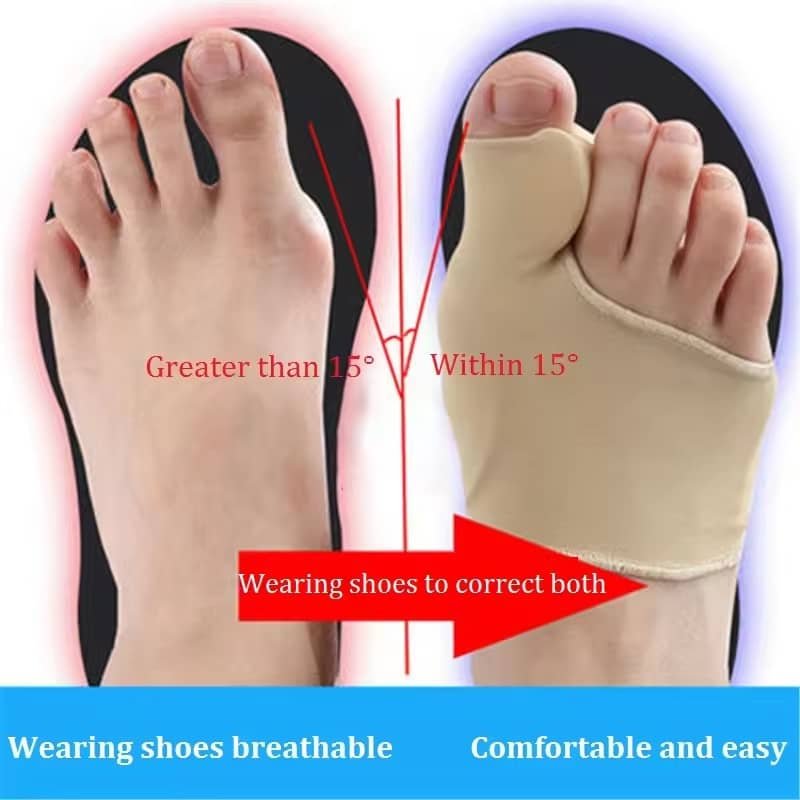
How to Use Them Effectively: Start by wearing separators for short periods (30-60 minutes) at home to allow your feet to adapt. Gradually increase the time until you can wear them inside your roomy shoes for several hours a day. Consistency is key to experiencing benefits like reduced pain and improved alignment during activity.
3. Orthotics and Insoles
Bunions are frequently linked to faulty foot mechanics. Custom-made orthotic insoles, prescribed by a podiatrist, can correct these underlying issues. They work by supporting the arch and redistributing pressure evenly across the entire foot during the gait cycle. This reduces the excessive force on the medial forefoot that pushes the big toe outward. Over-the-counter arch supports can also provide significant relief for those with milder cases.
4. Physical Therapy and Targeted Exercises
Specific exercises can strengthen the weak intrinsic foot muscles and improve the range of motion in the big toe joint, creating a more stable muscular environment.
Toe Spreading (Abduction): Sit barefoot and practice spreading all your toes apart as wide as possible without curling them. Hold for 5 seconds. This strengthens the muscles that fight the inward drift.
Big Toe Mobilization: Gently grasp your big toe and manually pull it into proper alignment, holding the stretch for 30 seconds.
Towel Scrunches: Place a towel on the floor and use your toes to scrunch it toward you. This builds overall foot strength.
Marble Pickups: Pick up marbles with your toes to improve dexterity and muscle control.
5. Pain and Inflammation Management
During painful flare-ups (bursitis), simple measures can provide relief:
Ice Therapy: Applying an ice pack to the red, swollen bump for 15-20 minutes can reduce inflammation and numb pain.
Anti-Inflammatory Medication: Over-the-counter NSAIDs like ibuprofen can help manage acute pain and swelling.
Protective Padding: Moleskin or gel-filled bunion pads can be placed over the prominence to shield it from painful friction inside your shoe.
When is Surgery the Only Option?
Despite the best conservative efforts, surgery may become necessary if:
Pain is severe and persistent, interfering with daily activities despite all non-surgical interventions.
The deformity is severe, causing a large overlapping toe (cross-over toe) that makes finding any footwear impossible.
Chronic inflammation leads to joint stiffness and a significant, debilitating loss of big toe function.
Conclusion: A Realistic Path to Empowerment
Correcting hallux valgus without surgery is not about magic cures but about diligent, intelligent management. You cannot wish the bony bump away, but you can absolutely control its impact on your life. By embracing a comprehensive strategy—anchored by proper footwear, supported by the strategic use of big toe separators for bunions and orthotics, and strengthened through daily exercises—you can achieve a state of comfort and function that renders surgery unnecessary.
This path requires patience and consistency. Consult a podiatrist to get a personalized diagnosis and plan. They can guide you on the best type of toe separators for bunions, the potential need for custom orthotics, and the most effective exercises for your specific foot structure. By taking proactive control, you can successfully manage hallux valgus, keep your feet healthy, and walk comfortably into the future.