
How to fix baby ear shape?

The sight of a newborn’s imperfectly formed ear can cause a pang of anxiety for many parents. Whether it’s a folded rim, a pointed top, or ears that stick out prominently, the immediate question is often, “Can this be fixed?” The answer is an emphatic yes. Thanks to a remarkable medical advancement, the shape of a baby’s ear can be permanently corrected without surgery, but it requires timely action and knowing the right path to take. This guide outlines the proven, safe method for infant ear correction and warns against the dangers of ineffective DIY approaches.
The “Golden Window”: Why Timing is Everything
A newborn’s body is in a unique state of flux. For the first several weeks after birth, babies retain high levels of maternal estrogen in their system. This hormone has a crucial side effect: it makes cartilage throughout the body, including in the ear, exceptionally soft, pliable, and responsive to external molding forces.
This creates a critical period known as the “golden window” for non-surgical correction. This window is most effective from birth to about 3 months of age, with the ideal starting point being within the first two weeks of life. As the estrogen levels drop, the cartilage gradually hardens and loses its malleability, making non-surgical correction increasingly difficult. By about 3-4 months, the cartilage has firmed up, and the only remaining option becomes surgical intervention later in childhood.
Therefore, the most important step in fixing your baby’s ear shape is to act quickly.
The Proven Medical Solution: Professional Infant Ear Molding
The only clinically proven and effective method for non-surgical infant ear molding involves a visit to a medical professional. This is not a DIY process. Parents should seek a consultation with their pediatrician, who can then refer them to a specialist such as a pediatric plastic surgeon or otolaryngologist (ENT) experienced in this procedure.
The gold standard treatment uses a device like the EarWell® Infant Ear Correction System. Here’s how this medical-grade newborn ear corrector works:
Assessment: The specialist diagnoses the specific type of infant ear deformity, whether it’s a protruding ear (prominent ear), a constricted ear (cup ear or lop ear), Stahl’s Ear, cryptotia (hidden ear), or an earlobe deformity.
Fitting: A soft, custom-fitted plastic shell is gently adhered to the baby’s head around the affected ear.
Molding: Inside this shell, the specialist uses a sophisticated combination of components—including precise ear corrector tape, conformers, retractors, and a gentle ear corrector clip mechanism—to apply constant, calculated pressure. This system doesn’t just push the ear flat; it meticulously sculpts the cartilage, creating missing folds (like the anti-helix), uncurling rims, and expanding the ear structure to a normal shape.
Duration and Monitoring: The system is typically worn for 4-6 weeks. The specialist will check and adjust the appliance weekly to ensure progress and monitor the baby’s sensitive skin.
The success rate for this professional infant ear corrector treatment, when started early, is over 90%. It can achieve complete cup ear deformity correction, lop ear deformity correction, and address a protruding ear corrector need, all without a single incision, scar, or the need for future surgery.
The Dangers of DIY and False “Ear Correctors”
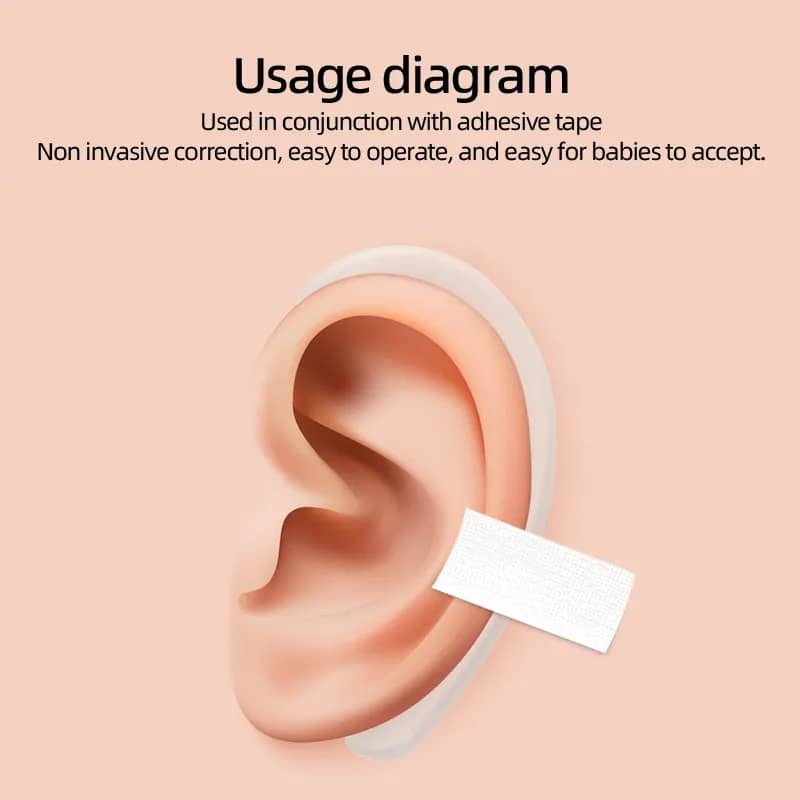
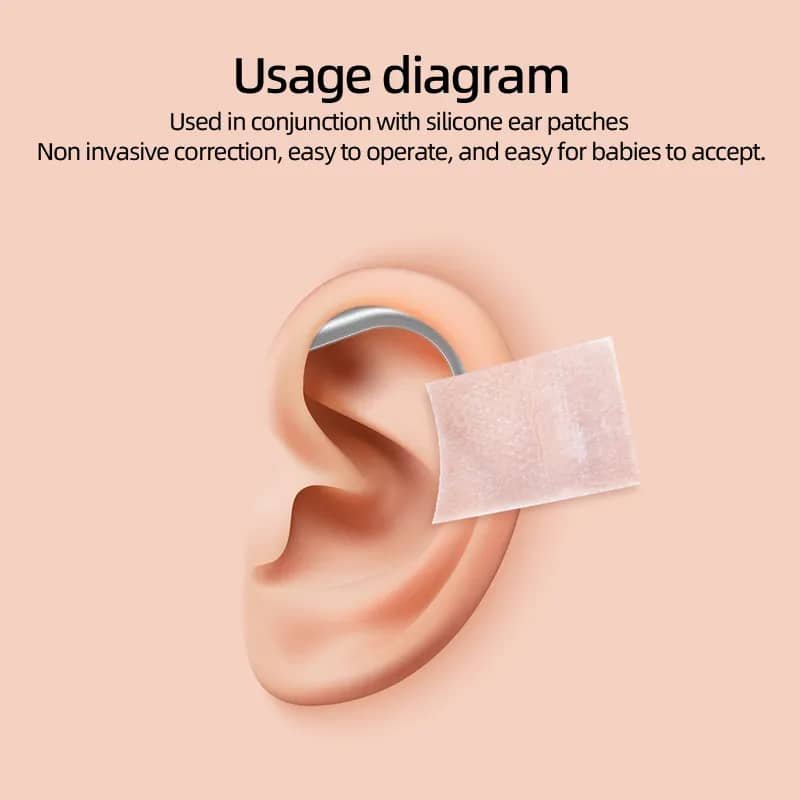
An online search for “ear corrector for babies” will yield a flood of cheap consumer products like ear corrector stickers, generic ear corrector tape, and simple ear corrector clip devices. It is absolutely vital to understand that these are not the same as medically supervised treatment and pose significant risks.
Ineffectiveness: These products are simplistic and lack the customizability and precision of the EarWell® system. They might apply pressure in one area but neglect others, leading to an incomplete or failed correction. They are utterly incapable of complex reshaping required for conditions like Stahl’s Ear or severe constricted ear.
Safety Hazards: The adhesives used in these non-medical ear corrector stickers and tapes are often not hypoallergenic and can severely irritate, blister, or cause open sores on a newborn’s delicate skin. There is also a potential choking hazard with small clip components.
The Greatest Risk: Wasting Time: The most dangerous consequence of experimenting with a DIY ear corrector baby product is that it wastes the precious golden window of opportunity. Parents may try an ineffective solution for several weeks before realizing it doesn’t work. By the time they seek professional help, it may be too late for non-surgical molding, and the child will have to wait for otoplasty surgery years later.
It is also important to note that ear correctors for adults are a completely different and scientifically baseless product. Adult cartilage is hardened and cannot be reshaped by external pressure.
A Parent’s Step-by-Step Guide to Action
If you are concerned about your baby’s ear shape, follow these steps:
Don’t Panic, But Do Act Quickly: You have a short window of time, so avoid a “wait and see” approach. Most ear deformities do not self-correct.
Schedule a Pediatrician Visit Immediately: At your baby’s first check-up (or even sooner with a call), point out the deformity. Use specific terms if you can: “I’m concerned about what looks like a prominent ear” or “It looks like the rim is tight, a possible constricted ear.”
Request a Specialist Referral: Ask your pediatrician for a referral to a plastic surgeon or ENT who specializes in infant ear molding. This is a specialized field, so not all surgeons offer it.
Follow Medical Advice: If the specialist confirms your baby is a candidate for ear molding, proceed with the treatment. The process is painless for the infant and involves weekly check-ins.
Avoid Online “Quick Fixes”: Steer clear of non-FDA-cleared ear corrector products sold directly to consumers. Your child’s health is not worth the risk.
Conclusion: A Permanent Solution is Within Reach
Fixing your baby’s ear shape is not only possible but can be a simple, painless, and overwhelmingly successful process. The key is to forsake the myth of self-correction and the allure of dangerous DIY solutions and instead place your trust in proven medical science.
By seeking a timely consultation for a professional Infant ear corrector system, you can ensure your child’s ear develops into a naturally shaped form. This proactive decision can spare your child from potential future teasing and the need for surgery, granting them a lifelong gift of confidence.