
How to Get Rid of a Bunion on Your Big Toe

The appearance of a bunion on your big toe—a bony, often red and painful bump at the base of the joint—can be a source of significant concern. Known medically as hallux valgus, a bunion is more than just a cosmetic issue; it’s a progressive structural deformity that can impact your mobility, shoe choices, and overall quality of life. The desire to “get rid of it” is powerful, but the path to doing so requires a clear understanding of what is and isn’t possible without surgery. While non-surgical methods cannot make a bunion vanish entirely, they are exceptionally effective at managing pain, halting progression, and improving function. For many, this conservative approach is the key to living comfortably.
This comprehensive guide explores the full spectrum of strategies, from immediate relief to long-term management, to address the root of the problem and answer the pressing question: how can you get rid of your bunion?
Understanding the Enemy: What Exactly is a Bunion?
A bunion is not simply an extra growth of bone. It is a complex biomechanical fault where the first metatarsal bone at the base of the big toe drifts inward toward the other foot, while the big toe itself is pulled outward toward the smaller toes. This misalignment causes the joint to protrude, forming the characteristic bump. The redness and swelling are due to inflammation of the bursa, a small fluid-filled sac that cushions the joint.
Primary causes include:
Genetics: Inherited foot types, such as flat feet or overly flexible ligaments, are a leading factor.
Footwear: This is the major exacerbating factor. Chronic use of narrow, tight, or high-heeled shoes forces the foot into an unnatural position, accelerating the development of a bunion in those who are predisposed.
Biomechanics: Abnormal gait patterns, like overpronation (rolling the foot inward too much when walking), place excessive stress on the big toe joint.
Understanding that a bunion is a structural misalignment is crucial. It explains why simply rubbing a cream on the bump won’t make it go away and why non-surgical methods focus on management and correction of forces.
The Conservative Arsenal: How to Manage and “Shrink” Your Bunion Without Surgery
The goal of non-surgical treatment is to reduce pain, decrease inflammation, and slow or stop the progression of the deformity. For a flexible bunion (where the toe can still be manually moved), these methods can be highly effective.
1. The Non-Negotiable Foundation: Proper Footwear
This is the single most important step. You cannot alleviate a bunion while continuing to crush it in narrow shoes.
Seek a Wide Toe Box: Choose shoes where the widest part of your foot fits comfortably without being squeezed. Your toes should be able to wiggle and lie flat.
Avoid High Heels: Heels shift your body weight forward, forcing your toes into the front of the shoe and increasing pressure on the bunion.
Opt for Supportive Soles: Look for good arch support and a firm sole to improve overall foot mechanics.
2. Pain and Inflammation Reduction
Ice Therapy: Applying an ice pack to the inflamed bunion for 15-20 minutes several times a day can significantly reduce swelling and numb pain.
Anti-Inflammatory Medication: Over-the-counter NSAIDs like ibuprofen can help manage pain and inflammation temporarily (always consult a doctor first).
Padding: Moleskin or gel-filled bunion pads can be placed over the bony prominence to protect it from friction and pressure inside your shoe.
3. Bunion Correctors and Spacers: Tools for Alignment
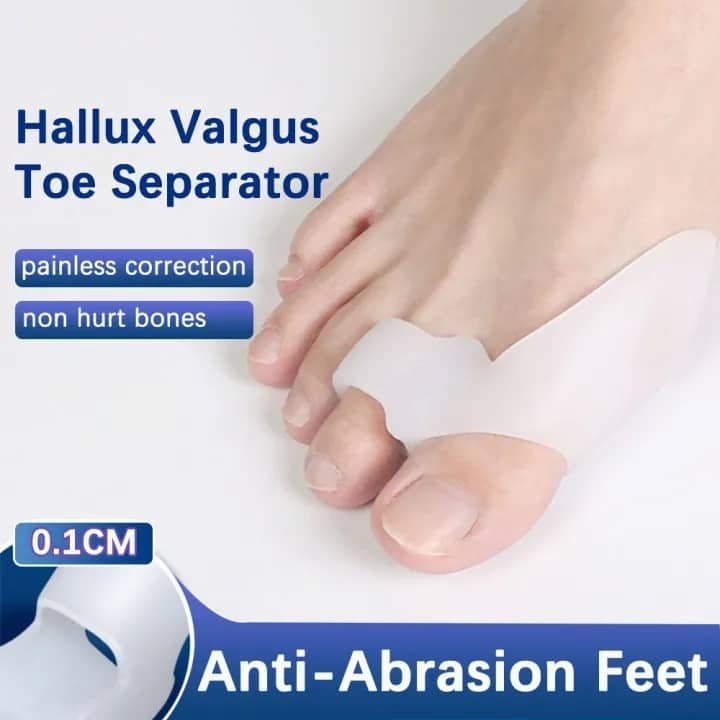
This is where devices like a big toe spacer come into play. It’s vital to set realistic expectations: these devices will not eliminate the bone deformity, but they are powerful tools for management.
How They Help: A big toe spacer for bunions or toe dividers for bunions is placed between the big and second toes. This applies a gentle, constant force to push the big toe into a straighter alignment, stretching the tightened soft tissues.
Types of Spacers:
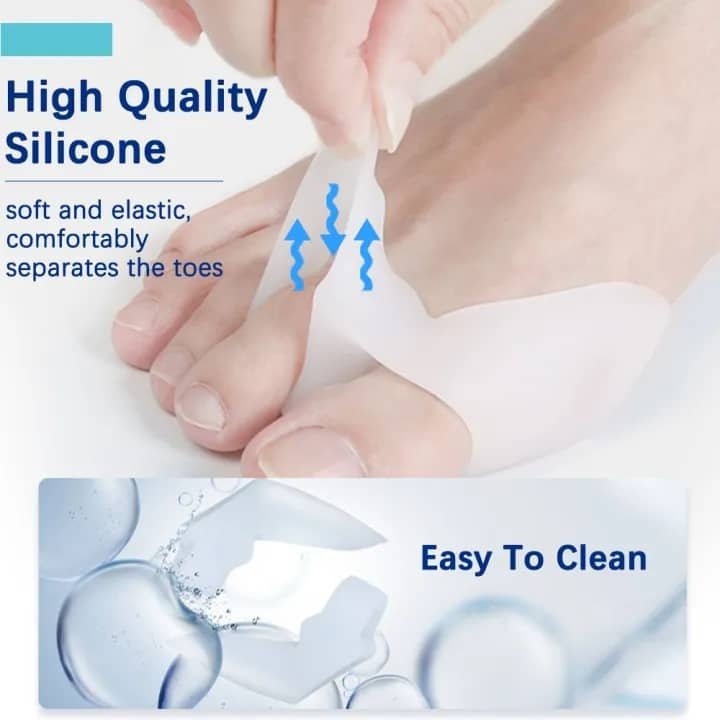
Gel Toe Spacers for Bunions: Soft, flexible, and comfortable for daytime wear inside roomy shoes. They excel at reducing friction and providing mild alignment. Perfect for beginners.
Silicone Toe Spacers for Bunions: Often made from firmer, medical-grade silicone, these provide a more assertive stretch. They are durable and better for therapeutic use during rest.
Night Splints: More rigid devices worn during sleep that hold the toe in a corrected position for extended periods. They provide the strongest passive stretch.
The Verdict: Consistent use of these spacers for bunions can realign the toe temporarily, reduce pain, improve flexibility, and, most importantly, slow the progression of the bunion by counteracting the deforming forces.
4. Strengthening and Stretching Exercises
Retraining the muscles and tendons is essential for active correction.
Toe Spreading: Practice spreading all your toes apart as wide as you can, holding for 5 seconds. This strengthens the interosseous muscles.
Towel Scrunches: Place a towel on the floor and use your toes to scrunch it toward you. This builds arch strength.
Big Toe Stretches: Gently pull your big toe into proper alignment with your hand and hold for 10-15 seconds.
Marble Pickups: Use your toes to pick up marbles and drop them into a cup to improve dexterity and strength.
5. Orthotics and Professional Care
Orthotic Inserts: Custom or over-the-counter orthotics can correct underlying biomechanical issues like overpronation, which is a primary driver of bunion formation. They support the arch and improve overall gait, reducing stress on the big toe joint.
Physical Therapy: A physical therapist can teach you targeted exercises and use modalities like ultrasound to reduce pain and inflammation.
Podiatrist Consultation: This is critical. A podiatrist can provide an accurate diagnosis, determine if your bunion is flexible or rigid, and create a personalized treatment plan. They can also make custom orthotics and discuss all options.
When Surgery is the Answer
Despite best efforts with conservative care, surgery may be necessary if:
You experience chronic, severe pain that limits daily activities.
The bunion is causing severe deformity or overlapping toes.
You have inflammation that doesn’t improve with rest or medication.
You have developed a rigid bunion that cannot be moved.
Bunion surgery (bunionectomy) aims to realign the bone, ligaments, tendons, and nerves. It is the only way to permanently “get rid of” the bony bump and correct the deformity.
Conclusion: A Journey of Management, Not a Quick Fix
You cannot truly “get rid of” a developed bunion without surgery. However, you can effectively “get rid of” the pain, “get rid of” the progression, and “get rid of” the limitations it imposes on your life through diligent, conservative care.
The most effective strategy is a holistic one. Combine the immediate comfort of gel toe spacers for bunions with the corrective stretch of silicone toe spacers for bunions at night. Commit to wearing only proper footwear and performing daily exercises to strengthen your feet. Most importantly, partner with a podiatrist to guide your journey.
By embracing this multi-faceted approach, you empower yourself to manage your bunion effectively, reclaim comfort, and maintain an active, healthy lifestyle without necessarily going under the knife. The power to improve your foot health is, quite literally, in your hands.