
How to Give a Head Massage: The Ultimate Guide to Techniques and Tools

The art of head massage is a timeless practice, revered across cultures for its profound ability to melt away stress, alleviate pain, and promote a sense of deep well-being. Knowing how to give a head massage is a valuable skill, offering a personal and therapeutic touch to friends, family, or even yourself. While the human hand is the original tool, the modern market offers a plethora of devices—from a simple silicone scalp massager to an advanced automatic head massager—that can enhance the experience. This comprehensive guide will walk you through traditional manual techniques, explain how to integrate modern tools, and help you choose the best scalp massager for any situation, whether the goal is relaxation, pain relief, or promoting hair health.
 Part 1: The Foundational Benefits – Why Learn This Skill?
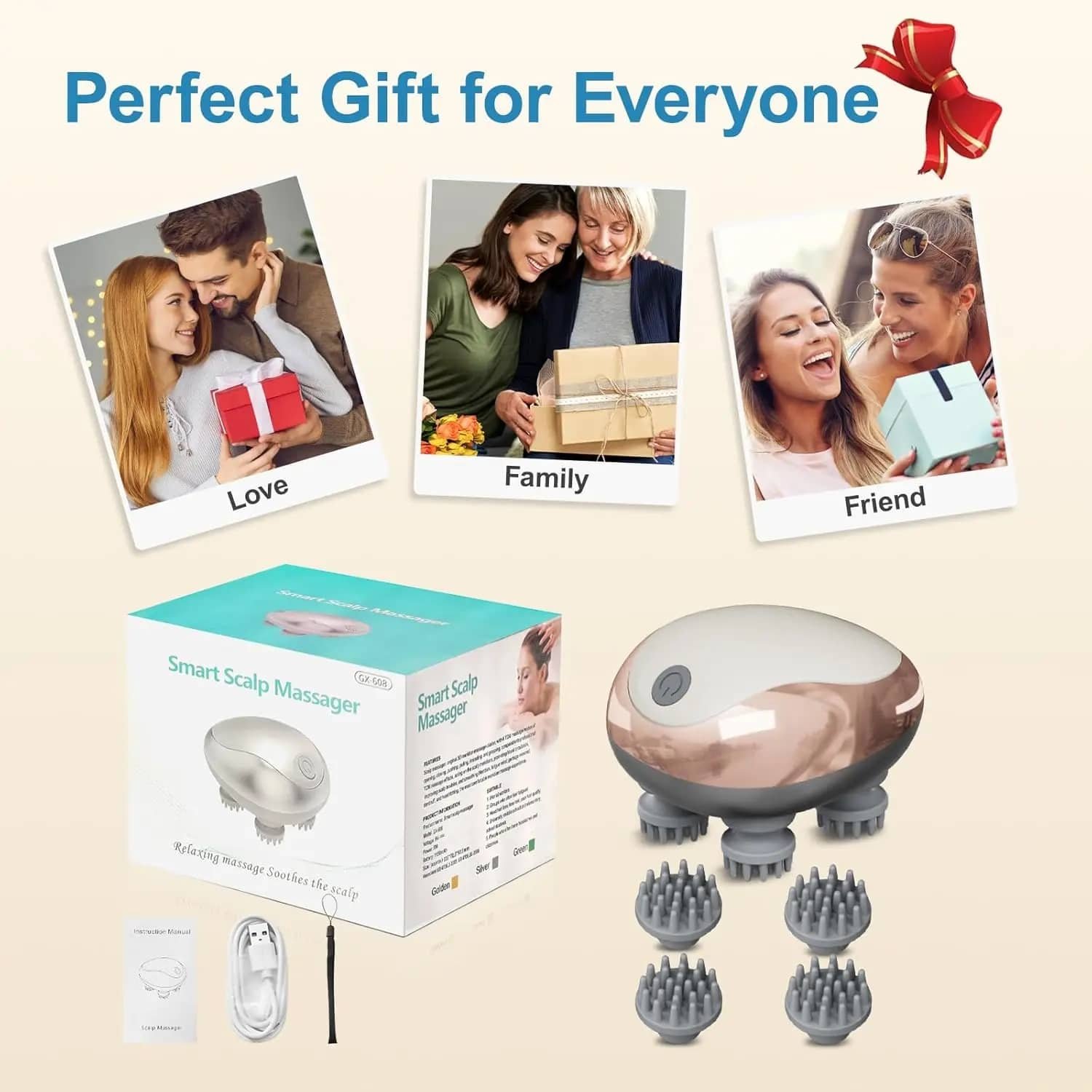
Before delving into the “how,” understanding the “why” provides context and motivation. A proficient head massage can:
Alleviate Stress and Anxiety: The release of endorphins and reduction of cortisol induces a state of calm.
Relieve Headaches and Migraines: By easing muscle tension and improving blood flow, it can be an effective head pain massage technique. Specific devices are even marketed as a headache head massager for this purpose.
Promote Hair and Scalp Health: Stimulating circulation nourishes hair follicles, making a scalp massager for hair growth a popular tool.
Improve Sleep Quality: The deep relaxation it fosters is ideal before bedtime.
Strengthen Personal Connections: Giving a massage is an act of care that can deepen bonds.
Part 2: Preparing for the Massage
Setting the right environment is crucial for maximizing the benefits.
The Setting: Choose a quiet, warm, and comfortable space. Have the recipient sit in a comfortable chair with good back support, perhaps leaning back into a headrest or pillow. You should be positioned behind them in a way that allows your arms to remain relaxed.
Tools of the Trade (Optional but Effective): While your hands are sufficient, you may choose to use a tool.
For Oil Massages: A simple silicone scalp massager is perfect for distributing oil and providing gentle exfoliation.
For Dry Massage or Hair Growth: An electric scalp massager or vibrating scalp massager can provide consistent, deep stimulation.
For a Hands-Free Experience: An automatic scalp massager or cap-style head massage machine can be used by the recipient themselves.
Using Oils (Optional): Natural oils like coconut, jojoba, or almond oil can reduce friction and provide additional moisturizing benefits for the scalp. Warm the oil slightly before application. Avoid oils if the recipient has a very oily scalp or doesn’t want to wash their hair afterward.
Part 3: Step-by-Step Manual Technique
Follow this sequence for a holistic and relaxing experience. Use the pads of your fingers, not your nails.
Step 1: Initiate Relaxation with Effleurage (Gliding Strokes)
Gently place your hands on either side of the recipient’s head, fingers spread.
Apply light pressure and slowly glide your hands from the forehead back to the nape of the neck, then back up the sides.
Repeat this 5-10 times to calm the nervous system and distribute oil if used.
Step 2: Scalp Kneading (Petrissage)
Imagine you are shampooing someone’s hair. Using the pads of your fingers, press into the scalp and make small, firm circular motions.
Systematically cover the entire scalp: start at the forehead hairline, move to the temples, the crown, the sides, and finally the base of the skull.
Apply enough pressure to move the scalp over the skull, but not so much that it causes pain. This is the core technique for relieving tension.
Step 3: Acupressure Point Stimulation
Identify key pressure points that hold tension. Use your thumbs or middle fingers to apply steady, firm pressure to each point for 5-10 seconds, then release.
Temples: Press in gentle circles.
Base of the Skull: Locate the hollow area where the skull meets the neck; press upward gently.
The Third Eye: The point between the eyebrows.
Step 4: Hair Tugging (Traction)
Take small sections of hair close to the roots and gently pull. This should be a mild, stretching sensation, not a sharp pull. This stimulates blood flow to the follicles.
Step 5: Conclude with Soothing Strokes
Return to the gentle effleurage strokes from Step 1 to calm the scalp and signal the end of the session.
Finish by gently resting your hands on the recipient’s shoulders or head for a moment of stillness.
Part 4: Integrating Modern Massage Tools
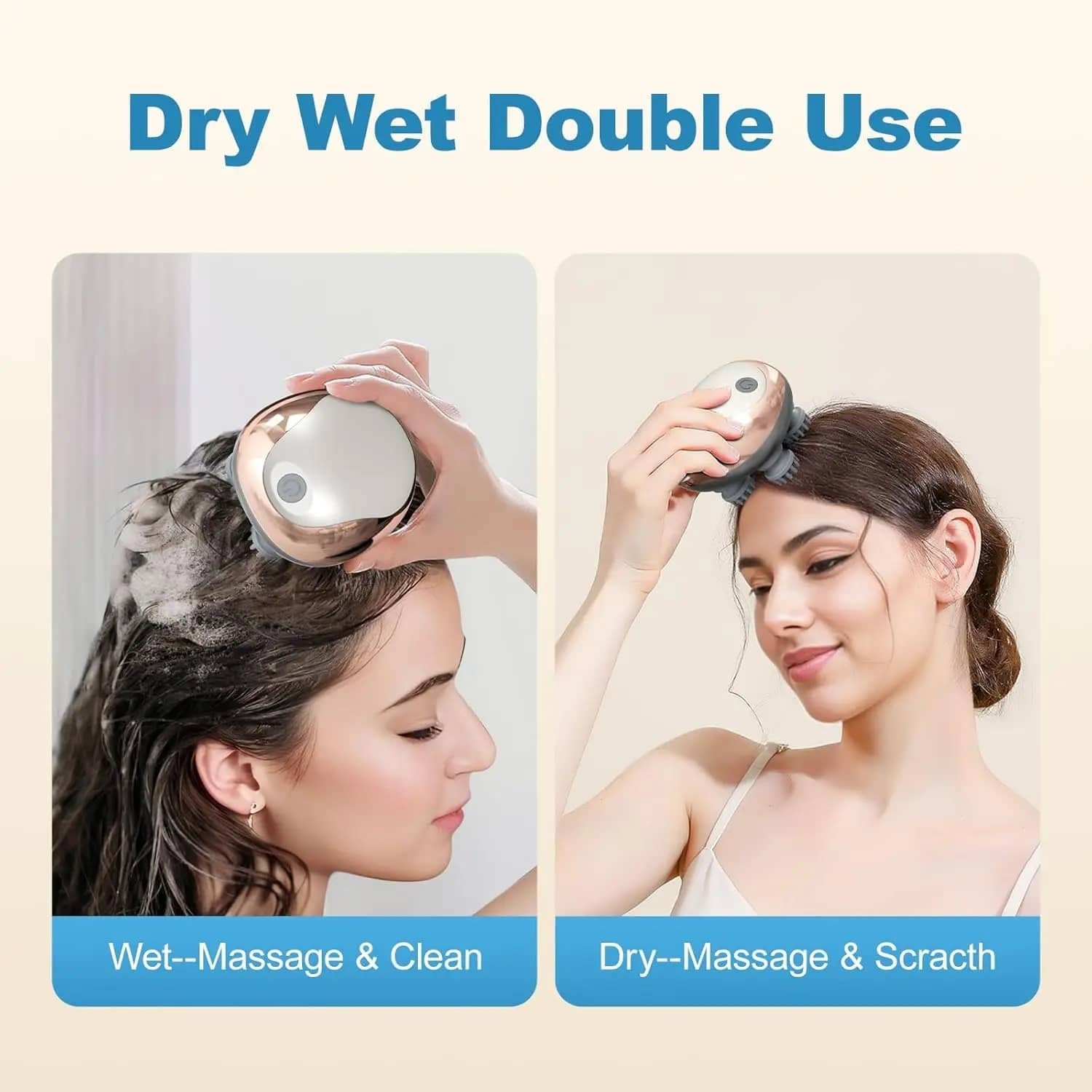 Tools can enhance the massage by providing different sensations and consistency.
1. Using a Manual Silicone or Hair Scalp Massager:
This waterproof scalp massager is excellent for use with oil. After applying oil, use the massager in the same small circular motions you would use with your fingers, covering the entire scalp. The nodes provide a deeper exfoliating and stimulating effect.
2. Using an Electric Head Massager:
Devices like a vibrating head massager or electric hair massager are typically used by the recipient. To use it on someone else:
Turn it on to a low setting.
Gently place the nodes against their scalp, starting at the base of the neck.
Move it slowly in upward motions, pausing on areas of particular tension.
Constantly check in about the pressure and intensity. The goal is relaxation, not overwhelm.
3. For Targeted Relief: A Head Massager for Headaches:
If the goal is specifically to address a headache, focus the tool (or your fingers) on the tension hotspots: the temples, the forehead, and especially the suboccipital muscles at the base of the skull. A mini head massager can be good for pinpointing these small areas.
Part 5: Choosing the Right Tool for the Goal
With countless products on the market, here’s how to select the best head massager for your needs:
For a Partner Massage: A simple, manual silicone scalp massager is often best. It’s intuitive, quiet, and allows you to maintain a personal connection.
For Self-Massage and Hair Growth: An automatic scalp massager that mimics kneading fingers is highly effective. Look for models marketed as the best scalp massager for hair growth with rotating nodes.
For Maximum Relaxation and Luxury: Invest in a head massage machine or best head massage machine. These often come with heat and multiple speed settings for a truly spa-like experience.
For Headache and Migraine Sufferers: A device designed as a head massager for migraines often has targeted nodes and heat therapy. A vibrating scalp massager can also be effective for distracting from pain.
For Use in the Shower: Ensure you get a waterproof scalp massager. Most silicone models are, but always confirm.
Conclusion: The Power of Touch, Enhanced by Technology
Learning how to give a head massage is a gift—both for the receiver and the giver. It is a practice of mindfulness and connection. While the gentle, intentional pressure of human hands is irreplaceable, modern tools like the electric scalp massager or hair scalp massager offer wonderful ways to augment the experience, provide deeper stimulation, and allow for self-care. Whether you are using your hands to ease a loved one’s headache or using the best head massager on yourself after a long day, you are engaging in a powerful ritual of healing and relaxation. By mastering the techniques and understanding the tools, you can unlock the full, stress-melting, headache-soothing potential of this ancient art.
Related topics:
The Art of Appreciation: Selecting Meaningful Employee Recognition Gifts