
How to Naturally Straighten Your Big Toe

The sight of a big toe gradually drifting toward its smaller neighbors, a condition known as hallux valgus or a bunion, is a common concern. It can be accompanied by pain, redness, and difficulty finding comfortable shoes. The promise of “natural straightening” is appealing, offering a non-surgical, gentle path to correction. But is it truly possible to naturally straighten a misaligned big toe?
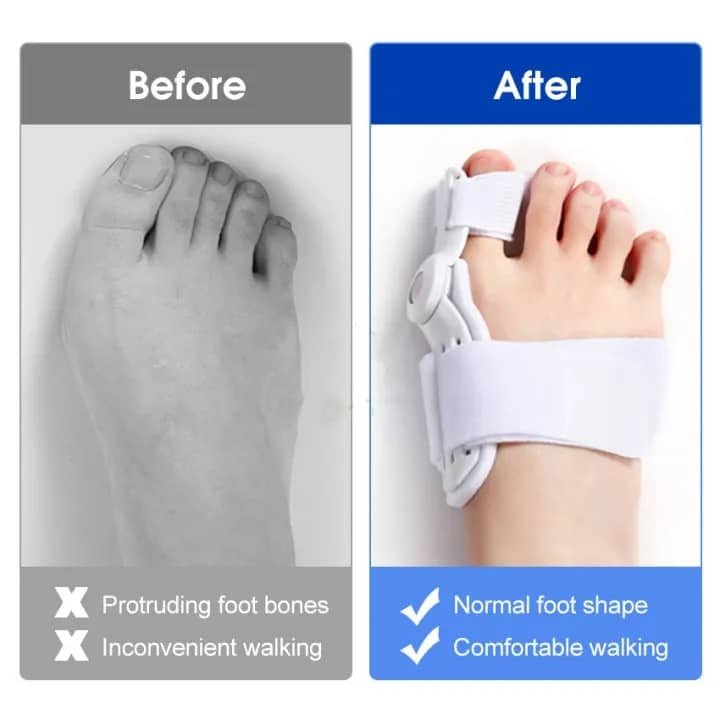
Toe Spacers for Bunions, Big Toe Stretcher 7
The honest answer requires a understanding of the condition. A bunion is not just a bony bump; it’s a complex structural deformity of the foot’s bones. In its advanced stages, where significant bone adaptation has occurred, natural methods cannot reverse the deformity in the way surgery physically cuts and realigns the bone. However, for mild to moderate cases, a consistent and multifaceted natural approach can absolutely prevent progression, improve alignment, reduce pain, and restore function. The goal is to create an environment where the toe can naturally move back toward a healthier position over time.
This process is not a quick fix but a journey of retraining your feet. It requires patience, consistency, and a combination of the following strategies.
1. Understanding the Cause: Why Toes Misalign
Before seeking solutions, understand the forces at play. Big toe misalignment often stems from:
Footwear: Narrow, tight, and high-heeled shoes are the primary culprits, forcing the toes into a cramped position for hours on end.
Genetics: A inherited foot type, like flat feet or overly flexible ligaments, can predispose you to bunions.
Biomechanics: Abnormal walking patterns (like overpronation) place excessive stress on the big toe joint, pushing it outward over time.
Muscle Imbalance: Weak intrinsic foot muscles and tight ligaments can no longer hold the toe in its proper alignment.
Natural straightening focuses on counteracting these causes.
2. The Power of Toe Spacers and Stretchers
This is your first line of defense. These devices work by passively creating space and encouraging proper alignment. While often used interchangeably, there’s a subtle difference:
Toe spacers for bunions: These are typically made of soft, flexible silicone or gel. They are designed to be worn inside your shoes during the day. Their primary job is to maintain a physical barrier between your toes, preventing them from rubbing together, reducing friction, and gently urging the big toe away from the second toe. They are excellent for managing pain and providing a constant, gentle corrective force during daily activities.
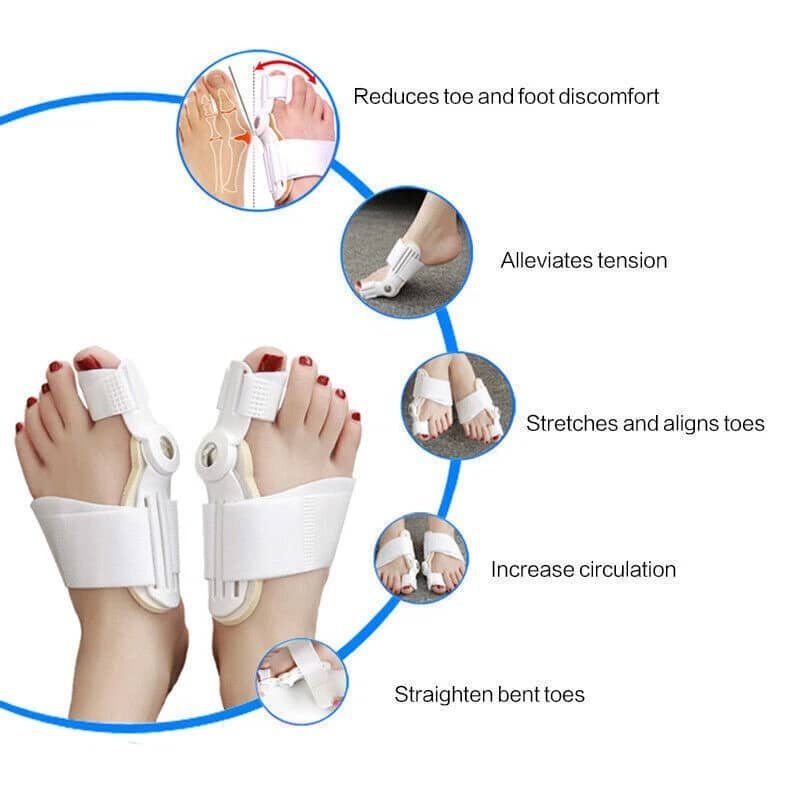
Big toe stretcher: This term often refers to a more robust device, sometimes made of firmer silicone or plastic, designed for use at home while resting. A big toe stretcher might target the specific angle of the big toe joint, applying a more dedicated stretch to the capsule of the joint itself. They are fantastic for improving flexibility and range of motion.
How to use them effectively:
Start by wearing spacers for short periods, perhaps an hour or two at home, and gradually increase the duration. You can eventually wear soft toe spreaders for bunions inside roomy shoes for several hours a day. For a deeper stretch, use a dedicated big toe stretcher while watching TV or reading for 15-20 minutes. Consistency is key—think of it as daily physical therapy for your feet.
3. Footwear: Your Most Important Tool
You cannot naturally straighten your toe if you continue to put it in a environment that forces it into deformity. Footwear modification is non-negotiable.
Choose a Wide Toe Box: This is the single most important change. Your shoes must allow your toes to lie completely flat and spread out naturally. There should be no pressure on the bunion bump whatsoever.
Avoid High Heels: Heels shift your body weight forward, cramming your toes into the narrow end of the shoe and dramatically increasing pressure on the big toe joint.
Seek Supportive Soles: Look for shoes with good arch support and a firm sole. This helps control biomechanical issues like overpronation that contribute to the problem.
4. Targeted Exercises and Stretches
To truly “re-train” your big toe, you need to actively strengthen the weak muscles and stretch the tight tissues. Dedicate 10-15 minutes daily to these exercises:
Toe Spreading (Toe Abduction): Sit barefoot and simply try to spread all your toes apart as wide as you can without curling them. Hold for 5 seconds, and repeat 10-15 times. This strengthens the interosseous muscles between your metatarsals.
Big Toe Presses and Lifts: While seated, plant your foot flat on the floor. Keep the other toes down and slowly lift only your big toe as high as you can. Then, plant it back down and try to press it into the floor while lifting the other four toes. This improves independent control of the big toe.
Towel Scrunches: Place a small towel on the floor and use your toes to scrunch it toward you, then push it away. This builds overall foot strength.
Manual Stretching: Gently pull your big toe into proper alignment with your hand. Hold the stretch for 15-30 seconds. Do this several times a day to improve joint mobility.
5. Other Supportive Natural Practices
Barefoot Walking: Whenever it is safe to do so (on clean, soft surfaces like sand or grass), walk barefoot. This allows your feet to move naturally, strengthens the arches, and encourages toe splay.
Foot Massage: Regularly massaging the arch of your foot and the area around the big toe joint can help break down adhesions, improve circulation, and relieve tension in tight tissues.
Ice and Anti-Inflammatory Nutrition: If the bunion is inflamed and painful, icing can reduce swelling. Additionally, adopting an anti-inflammatory diet (rich in omega-3s, turmeric, ginger, and leafy greens) can help manage systemic inflammation that may exacerbate joint pain.
Managing Expectations and When to See a Professional
It is vital to have realistic goals. Natural methods are most effective for early-stage bunions and for preventing the condition from worsening. You may not achieve a perfectly straight toe, but you can achieve significant pain relief, improved flexibility, and a halt in progression.
However, if you experience severe, unremitting pain, a significant deformity that makes walking difficult, or a rigid joint that won’t move, it is crucial to consult a podiatrist or physical therapist. They can provide a precise diagnosis, recommend custom orthotics for biomechanical support, and guide your exercise regimen. They can also tell you if your condition has progressed beyond the point where natural methods alone will be sufficient.
Conclusion: A Journey of Consistent Care
Naturally straightening your big toe is not a passive process; it is an active commitment to foot health. By combining the constant gentle correction of toe spacers for bunions, the strategic stretching of a big toe stretcher, the fundamental change of proper footwear, and the active strengthening of daily exercises, you create a powerful multi-faceted approach. This regimen counteracts the forces that caused the misalignment and provides your foot with the space and strength it needs to find a healthier, more natural alignment. Embrace the journey with patience, and you will be rewarded with happier, healthier, and more functional feet.