
How to Protect a Cast While Swimming?

The allure of water is undeniable, especially during warm weather or for those who rely on aquatic therapy for rehabilitation. However, for an individual with a cast—whether on the foot, ankle, or leg—the question of swimming is fraught with anxiety. The primary directive from any healthcare provider is unequivocal: keep the cast dry. Moisture wreaks havoc on both plaster and fiberglass casts, leading to skin maceration, fungal growth, foul odors, and a potential breakdown of the cast’s structural integrity, which can severely compromise healing.
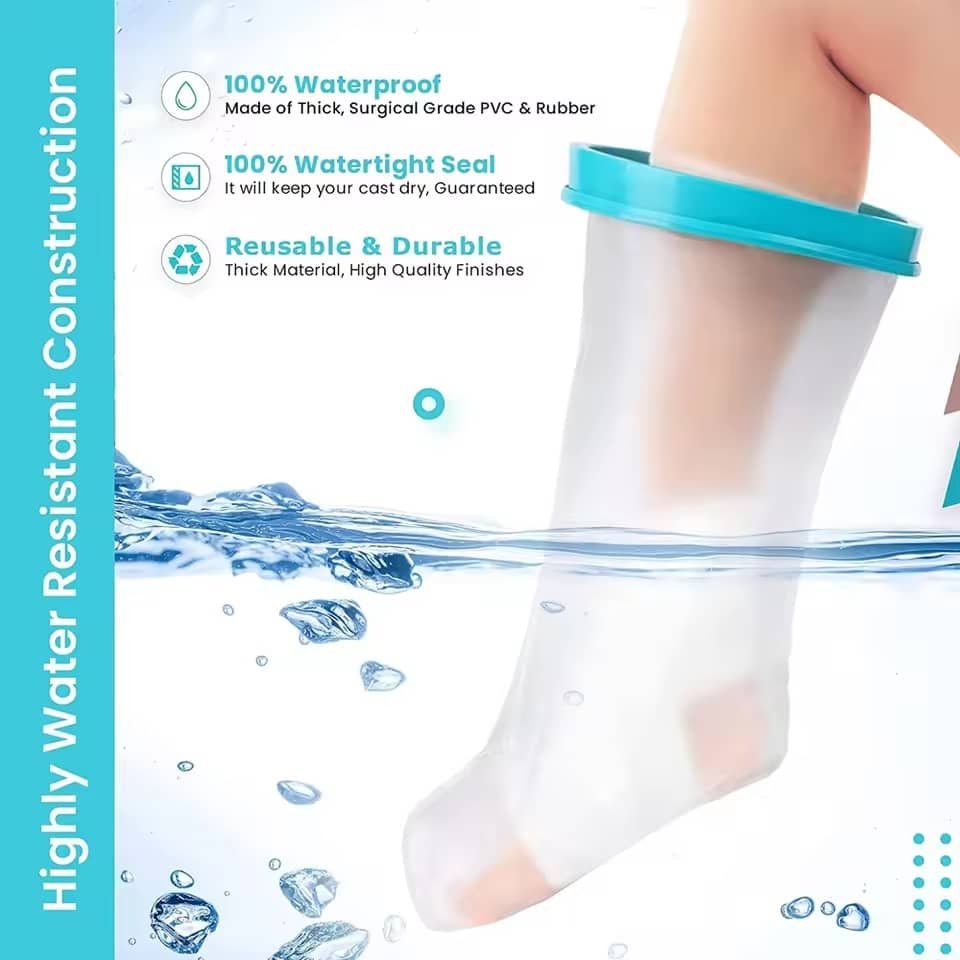
So, is it possible to swim with a cast? The answer is a cautious yes, but only under specific conditions and with the absolute right equipment. This guide will navigate the complexities of using a waterproof foot cast cover for swimming and outline the critical steps to ensure a safe and dry aquatic experience.
Step 1: The Non-Negotiable First Step – Consult Your Doctor
Before you even consider purchasing a cover, you must obtain explicit permission from your orthopedic doctor or surgeon. This is the most important step. Swimming with a cast is not advised for every type of injury or at every stage of healing.
Your doctor will evaluate:
The Type and Location of Your Injury: Some fractures are more stable than others.
The Stage of Healing: Fresh fractures or recent surgeries are at a much higher risk for complications. The skin around the incision or injury must be fully closed and healed to prevent infection.
The Risk of Infection: If you have any open wounds, pins, or external fixation, the risk of introducing bacteria from the water is too great.
The Type of Water: A doctor may be more hesitant about natural bodies of water (lakes, oceans) with higher bacteria levels compared to a well-maintained chlorinated pool.
Never proceed without professional medical clearance. Ignoring this step could result in a serious setback to your recovery.
Step 2: Understanding the Difference: Shower Covers vs. Swimming Covers
This is a crucial distinction that cannot be overstated. A waterproof foot cover for shower is designed for a specific purpose: to protect against splashes, drips, and the light pressure of a shower spray. It is not built to handle the hydrostatic pressure of being submerged in water.
The deeper you go in a pool, the greater the water pressure pushing against the cover. A shower cover’s seal will likely fail under this pressure, instantly flooding your cast.
For swimming, you need a cover explicitly designed and marketed for submersion. Look for a waterproof foot cast cover for swimming. These covers are engineered with:
Thicker, More Robust Material: They are made from heavier-duty PVC or TPU to resist punctures and the increased pressure.
Reinforced, High-Pressure Seals: The top seal is often a double-lock system or a wider, stronger band of medical-grade silicone that can maintain its grip against the constant force of water.
Explicit Manufacturer Ratings: The packaging and product description will clearly state it is for “swimming,” “submersion,” or “water sports.”
Using a shower cover for swimming is the most common reason for failure. Always ensure you have the correct tool for the job.
Step 3: Selecting the Right Swimming Cast Cover
When shopping for your ankle cast protector, focus on these key features:
The Seal: The most important component. Look for a wide, comfortable silicone seal. Silicone is hypoallergenic and provides a more secure, comfortable fit than latex. For an ankle waterproof cover, the seal must sit high on your calf, on a smooth area of skin.
Material Durability: The plastic should be thick and puncture-resistant. Transparency is also a benefit, allowing you to visually inspect for leaks during use.
Proper Sizing: A cover that is too large will have a loose seal, and one that is too small will be uncomfortable and may not unroll fully. Carefully measure the circumference of your calf and the length of your cast to compare with the manufacturer’s size chart. A well-fitting waterproof foot cast protector is essential.
User Reviews: Read reviews from other users, specifically those who used the product for swimming. Their real-world experiences can be incredibly valuable.
Step 4: The Step-by-Step Guide to a Watertight Seal
Proper application is everything. Follow these steps meticulously:
Preparation is Key: Ensure the skin on your calf is clean, completely dry, and free of lotions, oils, or body hair. Any residue or hair can create micro-gaps for water to seep through. Some users find a light dusting of talcum powder helps improve the seal’s grip.
Roll the Cover: Turn your waterproof foot cast cover inside out up to the seal. This makes it easy to position without struggling.
Position the Seal: Slide the cover over your foot and gently unroll it up your leg. Position the airtight seal high on your calf, on a uniform part of your skin away from the bony parts of your ankle or knee.
Secure the Seal: Adjust the seal so it is snug and comfortable. It should be tight enough to leave a slight imprint on your skin but not so tight that it causes pain or cuts off circulation.
The Pre-Swim Test: Before you even get near the pool, perform a test. While wearing the cover, have a helper submerge your leg in a bathtub for a few minutes. Keep your leg still and observe. Afterward, carefully remove the cover and feel the cast for any moisture. This dry run can prevent a disaster.
Step 5: Swimming and Post-Swim Care
Enter and Exit with Care: Use a ladder or steps to enter and exit the pool slowly. Avoid jumping or diving, as the impact can stress the seal or your injury.
Be Mindful of Depth: The greater the depth, the greater the pressure. Avoid going too deep, even with a swimming-rated cover.
Rinse and Dry Immediately: After swimming, rinse the outside of the cover with fresh water to remove chlorine or salt. Carefully dry the area around your leg before rolling the cover off.
Inspect the Cast: The moment the cover is off, inspect the very end of the cast and feel for any dampness. If there is even a hint of moisture, use a hairdryer on the cool setting to blow air into the cast openings. Do not use heat, as it can warp the fiberglass or burn your skin.
Conclusion: Swim Smart, Not Just Protected
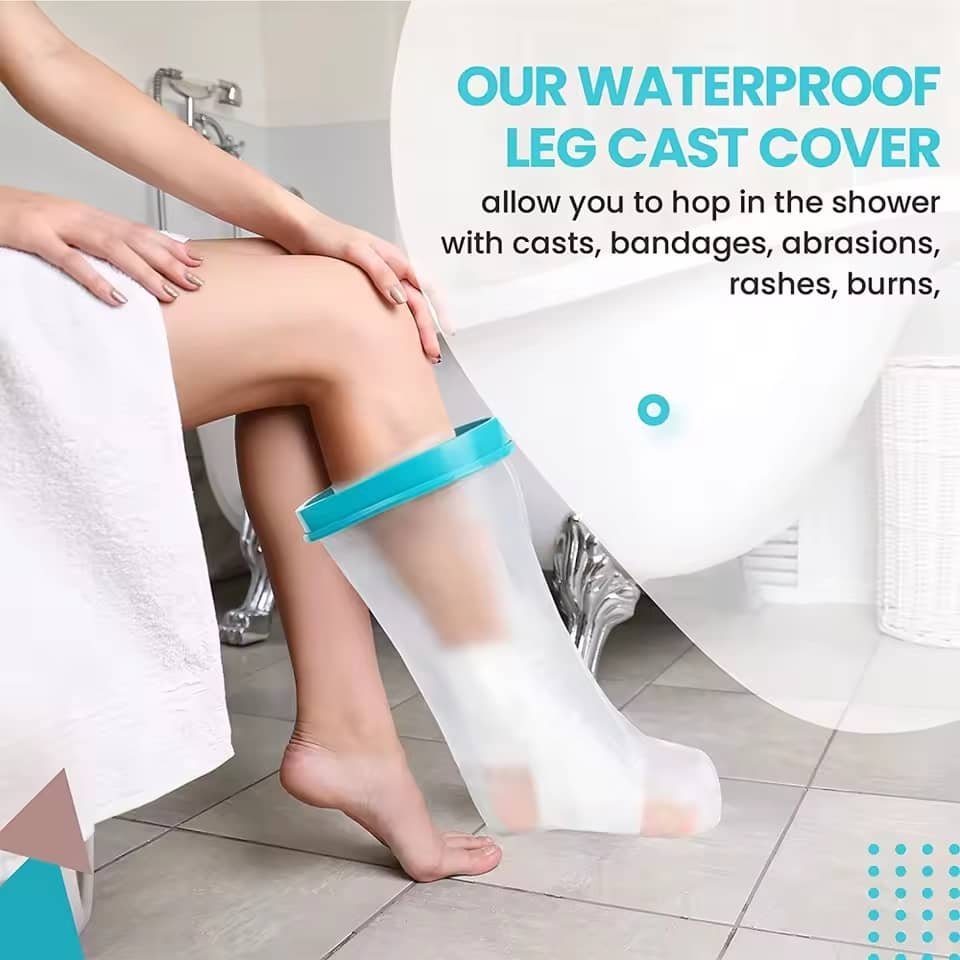 Swimming with a cast is a possibility, but it is one that demands respect, preparation, and the right equipment. It begins and ends with your doctor’s approval. From there, investing in a true waterproof foot cast cover for swimming—not just a shower cover—and learning to apply it correctly is the only way to ensure your aquatic activity doesn’t lead to a soggy, disastrous outcome.
By following this guide, you can confidently enjoy the therapeutic benefits of water while safeguarding your recovery. Remember, the goal is to aid your healing, not hinder it. A dedicated ankle cast cover for swimming is your ticket back to the water, but it must be used wisely and with caution.