
How to Release a Trapped Nerve in Neck?

A trapped nerve in the neck, medically known as cervical radiculopathy, is an excruciatingly painful condition that can derail your life. It occurs when a nerve exiting the cervical spine (the seven vertebrae in your neck) is compressed or irritated by surrounding structures. This could be due to a herniated disc, bone spurs from arthritis, or even inflamed tissues. The pain is not always confined to the neck; it often radiates outward, causing a burning or electric shock-like sensation, numbness, tingling, or weakness in the shoulder, arm, and hand. The immediate urge is to find relief, to “release” this trapped nerve. But how can it be done safely and effectively? This comprehensive guide explores methods from professional medical interventions to the strategic use of home devices like a neck massager with heat or an EMS portable neck massager.
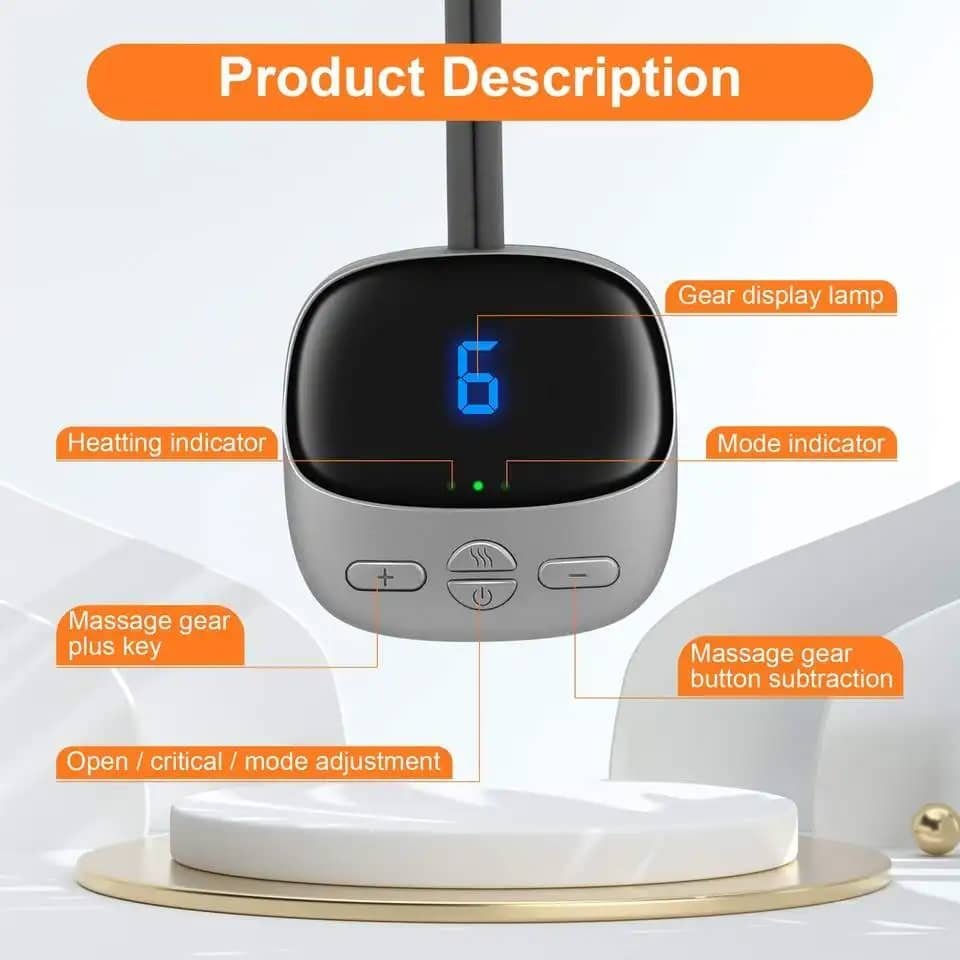
Understanding the Goal: It’s About Management, Not Force
The first and most critical concept to understand is that you cannot physically “grab and release” a nerve pinched by a disc or a bone. The goal of treatment is to reduce the inflammation and pressure around the nerve root. This creates space, allowing the nerve to heal and the debilitating symptoms to subside. Therefore, any method you employ, especially at home, should be gentle and aimed at creating a better environment for healing, not forcing a release.
Step 1: Immediate Steps and Professional Diagnosis
Before you consider any form of self-treatment, a proper diagnosis is essential. The symptoms of a trapped nerve can mimic other serious conditions.
What to Do First:
Consult a Doctor: A physician, chiropractor, or physical therapist can perform specific tests to pinpoint the affected nerve and rule out other issues.
Imaging: An MRI or CT scan is often required to visualize the soft tissues (discs, nerves) and bones to identify the exact cause of the compression.
Medication: A doctor may prescribe anti-inflammatory drugs (NSAIDs like ibuprofen) or oral corticosteroids to rapidly reduce inflammation around the nerve, providing significant initial relief.
Step 2: Gentle Movement and Targeted Exercises (After Acute Phase)
Once the sharp, acute pain has subsided, controlled movement is key to preventing stiffness and promoting healing. Never perform exercises that cause sharp or radiating pain.
Chin Tucks: Gently pull your chin straight back, creating a “double chin.” Hold for 5 seconds. This strengthens deep neck flexors and improves posture.
Scalene Stretches: Gently tilt your head to the side and slightly forward, feeling a stretch on the opposite side of the neck.
Shoulder Rolls: Roll your shoulders backwards and forwards in a circular motion to relieve tension in the upper traps.
A physical therapist can provide a personalized exercise regimen tailored to your specific condition.
Step 3: The Role of Technology: Can Neck Massagers Help?
This is where modern technology offers promising adjunctive tools. When used correctly and cautiously, certain neck massagers can play a supportive role in managing the symptoms of a trapped nerve. However, their application requires immense care.
Important Precautions First:
Using a massager on a trapped nerve is a double-edged sword. If used improperly, it can severely aggravate the condition. Always get clearance from your healthcare provider. Absolute contraindications include using a massager during the initial, acute inflammatory phase, or if you have osteoporosis, severe arthritis, or any signs of nerve damage like loss of sensation or strength.
Choosing the Right Massager for a Trapped Nerve
Not all massagers are created equal for this delicate condition. Deep, intense percussion might be too aggressive. Here’s how to choose:
1. The Pendant Neck Massager and Mini Massagers:
A pendant neck massager, often designed as a U-shaped wearable device, typically uses vibration or gentle percussion. A mini cervical massager or mini neck massager operates on a similar, compact scale. These are generally the gentlest options.
How They Can Help: Their primary benefit is relaxing the surrounding musculature. A trapped nerve causes muscles like the trapezius and levator scapulae to go into protective spasm, which can further compress the area. Gentle vibration from a portable mini cervical massager can help calm this muscle spasm, indirectly reducing one source of pressure on the nerve. Use them on the lowest setting for short periods (5-10 minutes) on the muscular parts of the shoulders, not directly on the spine.
2. The Neck Massager with Heat:
This is often the most recommended type for nerve-related discomfort. A neck massager with heat combines mechanical massage with therapeutic warmth.
How It Can Help: Heat is a potent vasodilator. It increases blood flow to the stiff, spasming muscles around the affected nerve. This enhanced circulation delivers oxygen and nutrients needed for healing and helps flush out inflammatory metabolites that contribute to pain and swelling. The warmth also soothes pain receptors, providing immediate subjective relief. The combination of mild massage with heat is excellent for easing the secondary muscle tension that accompanies a pinched nerve.
3. The EMS Neck Massager:
This is the most advanced and requires the most caution. An EMS neck massager (Electrical Muscle Stimulation) uses electrode pads to deliver low-level electrical impulses that cause muscles to contract and relax passively. An EMS portable neck massager offers this technology in a convenient format.
How It Can Help: For a trapped nerve, EMS should be used not for intense contraction but on very low, gentle settings. The goal is twofold:
Pain Blocking: The gentle electrical impulses can interfere with the pain signals being sent to the brain (a theory known as the “Gate Control Theory of Pain”), offering a numbing effect.
Muscle Re-education and Pumping: Low-level EMS can create a gentle pumping action in the muscle (rhythmic contraction and relaxation), which promotes blood flow and reduces atrophy in muscles that may be weakening due to nerve irritation. Crucially, the electrodes must be placed away from the spine itself and on the advice of a physiotherapist.
A Practical Protocol for Using Massagers
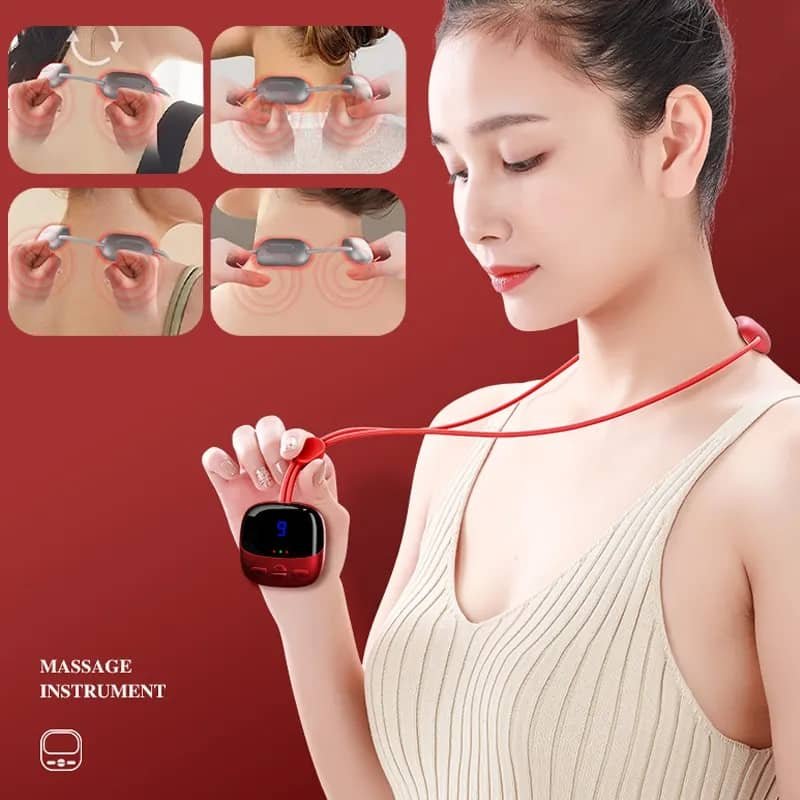
Pendant Portable EMS Neck Massager with Heat Mini Cervical Massager 3
If your doctor gives the green light, follow this safe protocol:
Heat First: Begin with a neck massager with heat or a simple heating pad for 15 minutes to warm up the muscles and increase blood flow.
Gentle Massage: Use a pendant neck massager or a mini neck massager on its lowest vibration setting. Gently target the tight shoulder muscles (traps). Avoid the central spine area. Limit this to 5-7 minutes.
Gentle EMS (Optional): If you have an EMS portable neck massager, place the electrodes on the meaty part of your upper shoulder. Use the lowest possible setting that creates a gentle, comfortable tingling or tapping sensation—not a strong muscle contraction. This can be used for 10-15 minutes.
Stretch: After warming and relaxing the muscles, perform your prescribed gentle chin tucks and neck stretches.
Ice (If Inflamed): If the area feels warm or throbbing after activity, finish with a 10-minute ice pack to reduce any potential inflammation.
Step 4: Ergonomic and Lifestyle Adjustments
No amount of massage will help if the root cause is not addressed. Consider these changes:
Posture: Evaluate your workspace. Ensure your monitor is at eye level and you are not constantly looking down at a phone or laptop.
Sleeping Position: Use a supportive pillow that keeps your neck in a neutral alignment with your spine. Avoid sleeping on your stomach.
Take Breaks: If you have a desk job, set a timer to get up, move, and stretch every 30 minutes.
Conclusion: A Multifaceted, Gentle Approach
Releasing a trapped nerve in the neck is not a single action but a process of careful management. There is no magic bullet. The most effective strategy is a multifaceted one: professional medical guidance, targeted exercises, and judicious use of supportive technology.
Devices like a neck massager with heat can be invaluable for managing muscle spasms and pain, while a gentle EMS neck massager may help with pain modulation. The convenience of a portable mini cervical massager means you can manage muscle tension on the go, preventing it from building up.
However, the golden rule is gentleness. Your goal is to soothe and create space, not to force or pound the nerve into submission. By combining professional care with intelligent, cautious self-management, you can effectively navigate the path to recovery and release the grip of a trapped nerve.
Related topics:
Beyond the Bonus: Cultivating Culture with Thoughtful Corporate Gifts for Employees
https://timebusinessnews.com/beyond-the-paycheck-unpacking-the-anatomy-of-a-truly-meaningful-employee-reward/
How to Personalize Your Tungsten Ring: Inlays, Finishes, and Designs