
How to Use a Mini EMS Massager: A Complete Guide to Safe and Effective Electrical Muscle Stimulation

The rise of compact EMS (Electrical Muscle Stimulation) technology has made professional-grade muscle therapy accessible to everyone. These devices, particularly mini electric massager units and EMS mini massager models, offer powerful relief in surprisingly small packages. However, many users don’t realize that proper technique is crucial for both safety and effectiveness. This comprehensive guide will walk you through everything you need to know about using your mini EMS massager correctly, whether you’re seeking relief from neck pain, back discomfort, or general muscle tension.

Understanding Mini EMS Technology
Before using your device, it’s helpful to understand how these compact marvels work:
How EMS Functions:
Delivers low-frequency electrical impulses to motor neurons
Causes controlled muscle contractions
Increases local blood circulation
Stimulates natural pain-relief mechanisms
Key Components of Mini EMS Devices:
Compact control unit with intensity settings
Electrode pads that adhere to skin
Rechargeable battery system
Various program options for different needs
Pre-Use Preparation: Setting Up for Success
1. Device Inspection and Charging
Fully charge your portable electric neck massager before first use
Check electrodes for damage or wear
Ensure all components are clean and dry
Download accompanying apps for smart neck massager models
2. Skin Preparation
Clean skin with mild soap and water
Shave hairy areas if necessary for better adhesion
Avoid lotions or oils that might interfere with conductivity
Ensure skin is completely dry before application
3. Environment Setup
Choose a comfortable seated or lying position
Ensure adequate lighting to see what you’re doing
Have mirror available for hard-to-see areas
Keep water nearby to stay hydrated
Step-by-Step Application Guide
Step 1: Electrode Placement
For Neck Applications:
Place electrodes on either side of neck spine
Avoid placing directly on spine itself
Keep away from front of neck (thyroid area)
Position to target specific muscle groups
For Back Applications:
Place on either side of spinal column
Target specific sore areas
Use multiple pairs for larger areas
Follow muscle group patterns
Step 2: Device Connection
Attach electrodes to control unit
Ensure secure connections
Turn device on to lowest setting
Select appropriate program if available
Step 3: Intensity Adjustment
Start at lowest intensity level
Gradually increase until feeling noticeable contraction
Should feel strong but comfortable
Never increase to painful levels
Step 4: Session Management
Set timer for recommended duration (typically 15-20 minutes)
Relax muscles during treatment
Breathe deeply and regularly
Adjust intensity as needed during session
Specific Usage Scenarios
For Neck Pain Relief:
Use portable neck massager mode if available
Place electrodes on trapezius muscles
Choose gentle program for acute pain
Use higher intensity for chronic tension
For Back Pain Management:
Position as electric massager for back pain
Place electrodes around pain areas
Use multiple electrode pairs for larger coverage
Combine with gentle stretching after session
For General Muscle Maintenance:
Use recovery programs after exercise
Apply to tired or sore muscles
Use lower intensities for maintenance
Regular short sessions work best
Optimal Settings and Programs
Intensity Guidelines:
Level 1-3: Very mild, good for beginners
Level 4-6: Moderate, for regular users
Level 7-10: Strong, for experienced users only
Program Recommendations:
Relaxation: Gentle rhythm for stress relief
Recovery: Moderate stimulation for post-workout
Pain Relief: Targeted programs for specific issues
Strength: Intense programs for muscle conditioning
Safety Protocols and Precautions
Essential Safety Rules:
Never use on broken or irritated skin
Avoid placing electrodes on:
Front of neck
Head or face
Chest area (especially for heart patients)
numb areas
Always start with lowest intensity
Never use while driving or operating machinery
Time Limitations:
Maximum 20 minutes per area
Allow muscles to rest between sessions
Don’t use more than 2-3 times daily
Take occasional days off from use
Troubleshooting Common Issues
Poor Sensation:
Check electrode adhesion
Ensure good skin contact
Increase intensity gradually
Try different electrode positions
Skin Irritation:
Clean skin thoroughly before use
Use hypoallergenic electrodes
Reduce intensity levels
Shorten session duration
Device Not Working:
Check battery charge
Ensure proper electrode connection
Reset device if possible
Consult manufacturer instructions
Cleaning and Maintenance
After Each Use:
Wipe electrodes with damp cloth
Allow to air dry completely
Store in protective case
Check for wear or damage
Weekly Maintenance:
Deep clean electrodes with mild soap
Inspect wires for damage
Charge fully if not used regularly
Update software on intelligent neck massager models
Long-Term Care:
Replace electrodes every 3-6 months
Store in cool, dry place
Avoid extreme temperatures
Follow manufacturer’s care instructions
Integrating EMS into Your Wellness Routine
Daily Use Suggestions:
Morning: Light stimulation to awaken muscles
Post-Workout: Recovery programs for muscle repair
Evening: Relaxation modes for stress relief
As Needed: Pain relief when discomfort occurs
Combination Therapies:
Use after stretching for enhanced flexibility
Combine with heat therapy for deeper penetration
Follow with gentle massage for additional relief
Use before physical therapy exercises
Advanced Techniques for Experienced Users
Targeted Muscle Activation:
Research muscle group anatomy
Place electrodes for specific activation
Use different programs for different needs
Track results in app if available
Progressive Intensity Training:
Gradually increase intensity over weeks
Track tolerance improvements
Vary programs to prevent adaptation
Listen to body’s feedback always
Special Considerations for Different Users
For Elderly Users:
Use lower intensity settings
Shorter session durations
More frequent breaks
Closer monitoring for reactions
For Athletes:
Higher intensities may be appropriate
Focus on recovery programs
Use preventatively before events
Combine with sports nutrition
For Office Workers:
Target neck and shoulder areas
Use during breaks if possible
Lower intensities for discreet use
Focus on posture-related muscles
When to Seek Professional Guidance
Medical Consultation Recommended:
Before use if you have any medical conditions
If pain persists despite treatment
When experiencing unusual symptoms
If unsure about proper usage
Physical Therapist Advice:
For specific electrode placement guidance
For program recommendations
For integration with other therapies
For progress monitoring
Comparing Mini EMS to Other Devices
Versus Full-Sized Units:
Similar technology in smaller package
More limited area coverage
Often fewer program options
Much greater portability
Versus Traditional Massagers:
Different mechanism of action
More targeted muscle activation
No manual pressure required
Different sensation experience
Maximizing Your Investment
Getting the Most Value:
Use regularly for cumulative benefits
Learn all features and programs
Proper maintenance extends lifespan
Share with family members if appropriate
Cost-Effective Practices:
Proper electrode care reduces replacement needs
Regular use prevents more expensive treatments
Learning proper technique maximizes effectiveness
Choosing quality devices reduces long-term costs
Conclusion: Mastering Your Mini EMS Massager
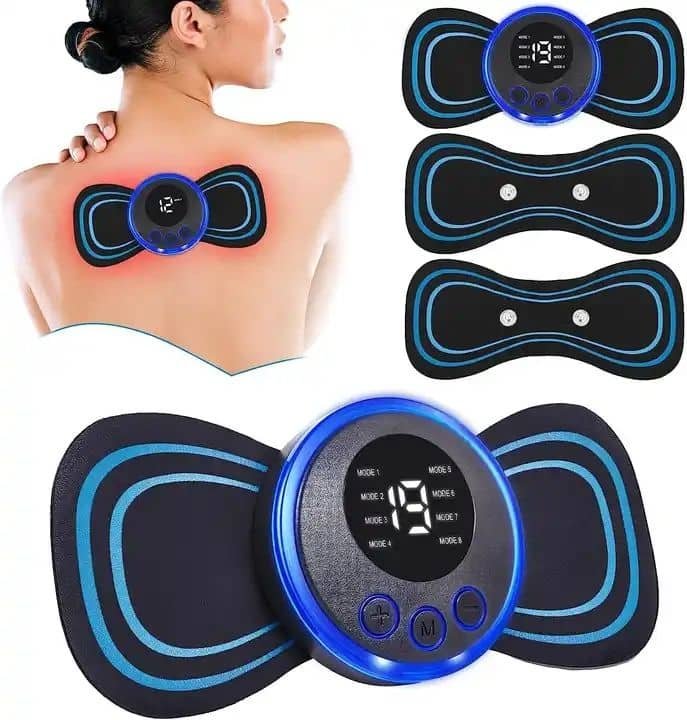
Portable EMS Neck Massager Mini Electric Cervical Massage Patch
Learning how to use a mini EMS massager properly opens up a world of convenient, effective muscle therapy. These compact devices offer remarkable benefits when used correctly, providing relief from pain, accelerating recovery, and enhancing overall muscle health.
Key Success Factors:
Proper electrode placement for targeted relief
Gradual intensity adjustment to comfort level
Consistent usage integrated into your routine
Regular maintenance for device longevity
Listening to your body’s feedback always
Final Recommendations:
Start slowly and build up gradually
Read manufacturer instructions thoroughly
Consult professionals when needed
Make EMS part of a comprehensive wellness approach
Enjoy the convenience of professional-grade therapy anywhere
Whether you’re using a basic mini electric massager or an advanced smart neck massager, the principles of safe, effective use remain the same. By following these guidelines and developing a consistent practice, you can maximize the benefits of your EMS device while minimizing any risks.
Remember that individual responses may vary, and what works perfectly for one person might need adjustment for another. Be patient with yourself as you learn to use your device effectively, and don’t hesitate to seek guidance if you have questions or concerns. With proper use, your mini EMS massager can become an invaluable tool in your health and wellness arsenal.
Related topics:
Beyond the Bonus: Cultivating Culture with Thoughtful Corporate Gifts for Employees
https://timebusinessnews.com/beyond-the-paycheck-unpacking-the-anatomy-of-a-truly-meaningful-employee-reward/
How to Personalize Your Tungsten Ring: Inlays, Finishes, and Designs