
How to Use Toe Spacers for Bunions

Bunions, known medically as hallux valgus, are a common and often painful foot deformity characterized by a bony bump at the base of the big toe. This bump forms when the big toe pushes relentlessly against the second toe, forcing the joint to stick outwards. While severe cases may require surgical intervention, many people find significant relief and can slow the progression of their bunion through conservative, non-invasive methods. Among the most popular and effective tools are toe separators. But simply buying a pair isn’t enough; knowing how to use them correctly is paramount to success.
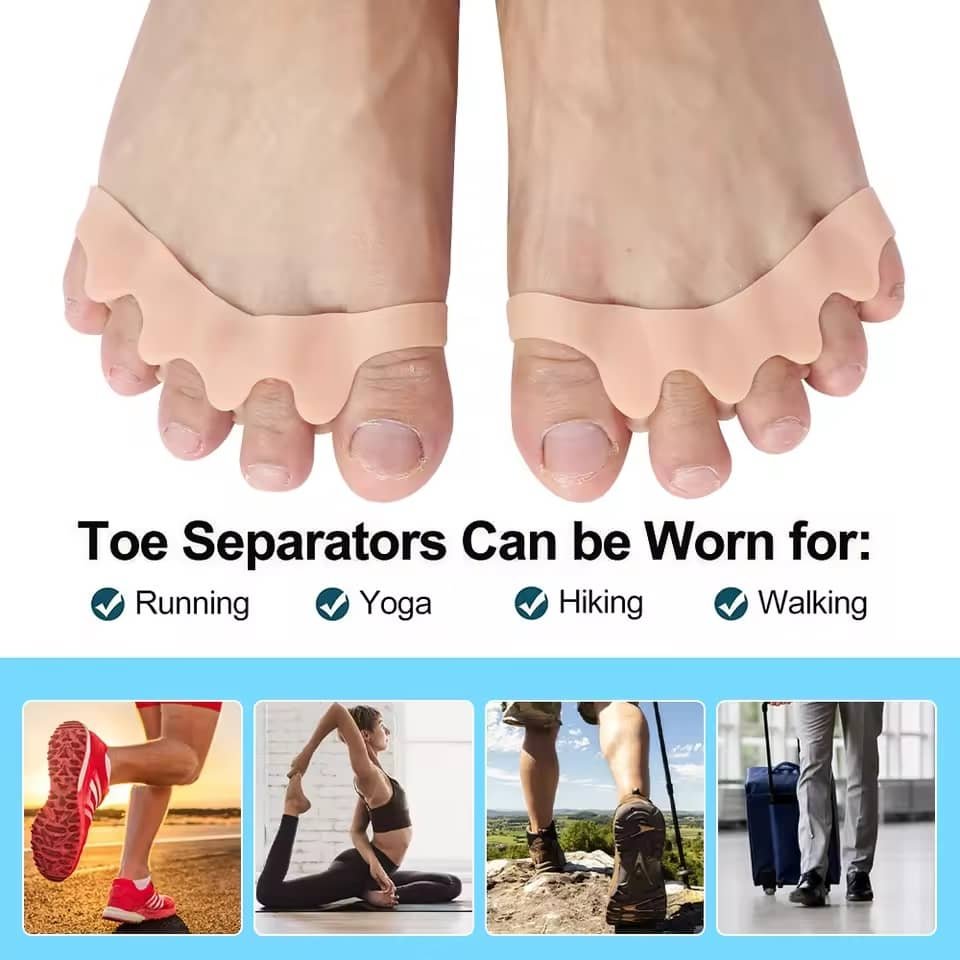
This in-depth guide will walk you through the process of using toe spacers specifically for bunions, from choosing the right type to integrating them into a holistic foot care routine.
Step 1: Choosing the Right Toe Spacer for Your Bunion
Not all toe separators are created equal, especially when it comes to addressing a structural issue like a bunion. Your choice will significantly impact your results.
For Mild, Early-Stage Bunions: Soft gel toe separators or standard silicone toe separators can be a good starting point. They are pliable and comfortable, ideal for getting your feet accustomed to the feeling of being spaced. Look for models specifically marketed as silicone toe separators for bunions, as they often have a slightly more robust design.
For Moderate Bunions and Active Realignment: This is where orthopedic toe separators shine. Made from a firmer, medical-grade silicone, these spacers provide a more assertive stretch. They are designed to hold their shape against the pressure of misaligned toes, actively working to coax the big toe back into a neutral position. Many consider these among the best toe separators for therapeutic bunion care.
For Significant Correction and Holistic Alignment: The gold standard is often considered to be Correct Toes spacers. These are not simple plugs; they are a modular system made from durable silicone that aligns all toes in their natural, splayed position. Podiatrists frequently recommend them because they don’t just separate the big toe; they address the entire foot’s biomechanics, which is often the root cause of the bunion. For many, these are the unequivocal best toe spacers for achieving lasting change.
Gender-Neutral Design: While you may see products labeled silicone toe separators for women due to the higher prevalence of bunions in women, the design is generally not gender-specific. Silicone toe separators for men with bunions are the same; it’s more about the size and firmness of the spacer. Focus on the product’s specifications, not its marketing.
Step 2: How to Properly Wear and Use Your Toe Spacers
Using toe spacers requires patience and a gradual approach. Do not expect to wear them for hours on the first day.
1. Start Slowly and Gently:
Clean and Dry: Always ensure your feet and the spacers are clean and dry to prevent slipping and irritation.
Initial Placement: Begin by sitting or lying down. Gently place the spacer between your big toe and second toe. For full-foot spacers like Correct Toes, carefully work each toe into its respective slot. The goal is to feel a gentle stretch, not sharp pain.
Short Sessions: Wear the spacers for just 15-30 minutes on the first day while you are at rest—watching TV, reading, or working at a desk. This allows your toes, ligaments, and muscles to adapt without the stress of bearing weight.
2. Gradually Increase Wear Time:
Over the next week or two, slowly increase the duration by 15-30 minutes each day. The ultimate goal for therapeutic benefit is to work up to 1-2 hours of wear per day, or even longer during restful activities.
Listen to your body. If you feel any numbness, sharp pain, or excessive discomfort, remove the spacers immediately. This is a sign you’ve done too much, too soon.
3. Incorporate Movement and Strengthening:
Once you are comfortable wearing the spacers while seated, try doing gentle foot exercises while they are in. Circle your ankles, point and flex your feet, and try to gently press your toes into the spacers and then relax. This activates your foot muscles and enhances the realignment process.
Never walk in standard spacers unless they are specifically designed for it and your shoes can accommodate them. Walking in ill-fitting spacers or shoes can do more harm than good.
4. Can You Wear Them in Shoes?
This is a common question with a tricky answer. Most traditional toe separators and gel spacers for toes are too bulky to be worn inside conventional shoes. Attempting to do so will create harmful pressure points.
The only way to wear spacers in shoes is if you have transitioned to footwear with an authentically wide and foot-shaped toe box. Some brands even make very thin toe gel spacer models specifically for this purpose, but comfort and fit are paramount. If you feel any crowding or pressure, do not wear them inside your shoes.
Step 3: Integrating Toe Spacers into a Holistic Bunion Care Plan
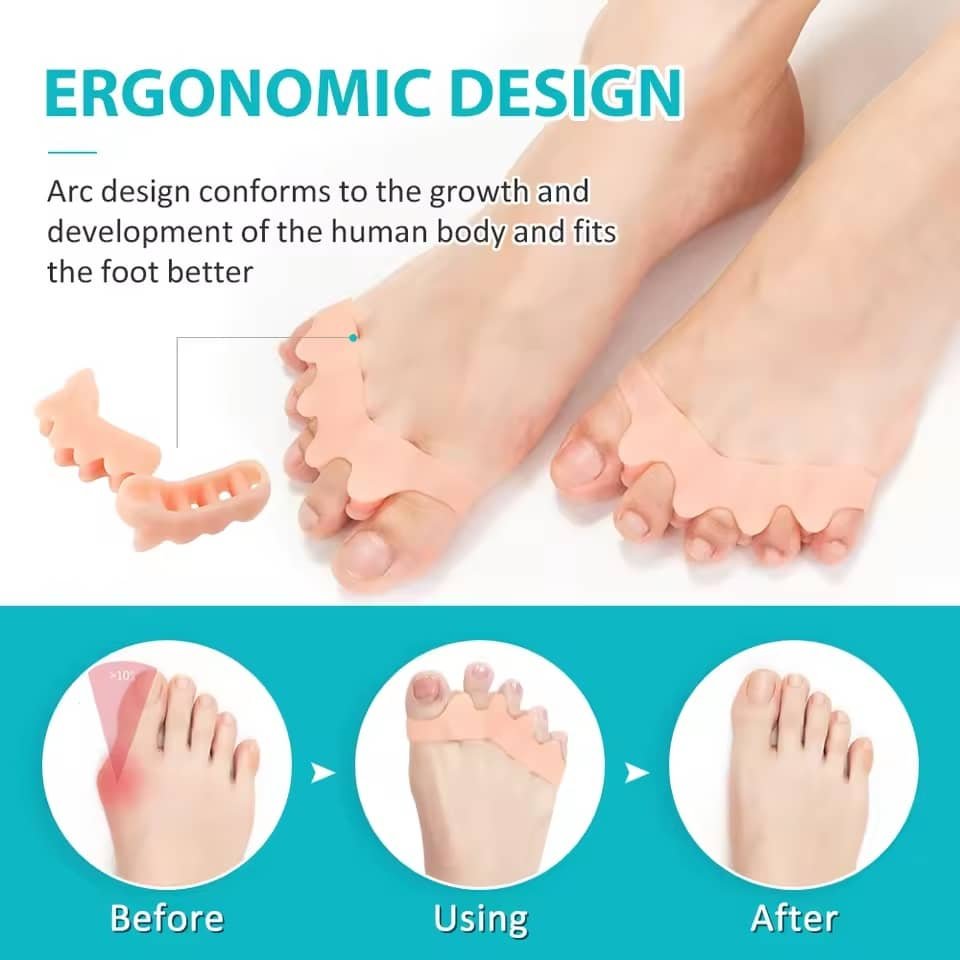
Toe separators are a powerful tool, but they are not a magic bullet. To effectively manage bunions and prevent them from worsening, they must be part of a broader strategy.
Footwear is Non-Negotiable: This is the most critical factor. Continuing to wear narrow, tight, or high-heeled shoes will completely negate any benefit from the spacers. Invest in shoes with a wide toe box that allows your toes to spread out naturally without being compressed.
Strengthen Your Feet: Bunions are partly a result of weak intrinsic foot muscles. Use your spacers during exercises like:
Toe Spreading: With or without the spacer, practice spreading all your toes apart as wide as you can.
Towel Scrunches: Place a towel on the floor and use your toes to scrunch it toward you.
Marble Pickups: Use your toes to pick up marbles and drop them into a cup.
Consider Other Modalities: Combine spacer use with other therapies:
Bunion Splints/Night Splints: These devices are worn overnight and provide a more rigid and targeted pull on the big toe.
Physical Therapy: A physical therapist can teach you specific exercises to correct gait issues and strengthen supporting muscles.
Listen to a Professional: If your bunion is causing severe pain, redness, swelling, or significantly limiting your activity, consult a podiatrist. They can provide a definitive diagnosis, recommend the best type of orthopedic toe separators for your situation, and discuss all treatment options, including surgery if necessary.
What to Avoid: Common Mistakes
Don’t Overtighten: If using an adjustable spacer, the tension should be firm but comfortable. Overtightening can cut off circulation.
Don’t Ignore Pain: Discomfort is normal; pain is not. Spacers should not cause bruising or numbness.
Don’t Expect Overnight Results: Correcting a bunion is a slow process that requires consistent effort over months. Be patient and persistent.
Don’t Use Pedicure Spacers for Correction: Those flimsy foam toe separators for pedicure are for preventing polish smudges, not for realigning bone structure.
Conclusion: A Path to Relief
Using toe spacers for bunions is a proven, conservative approach to finding relief and improving foot health. By carefully selecting the right type—be it firm silicone toe spacer models or advanced Correct Toes spacers—and following a gradual, consistent wearing protocol, you can actively work to realign your toes, reduce pain, and slow the progression of your bunion. Remember, the journey to happier feet is a marathon, not a sprint. Pair your spacers with proper footwear and targeted exercises, and you’ll be taking powerful, proactive steps toward lasting comfort and mobility.