
How to Waterproof Cast on Arm?

A broken arm is a significant inconvenience. The pain, the limited mobility, and the adjustment period are challenging enough without adding the constant, nagging worry about keeping your cast dry. Whether it’s a quick shower, washing your hands, or wanting to take a swim, the threat of water damaging the cast and irritating your skin is ever-present. A wet cast is not just uncomfortable; it can lead to skin maceration, infections, and a foul odor, often necessitating an early replacement.
Fortunately, modern solutions have moved far beyond the classic “trash bag and duct tape” method. The most effective and reliable way to protect your cast is by using a purpose-built waterproof arm cast cover.
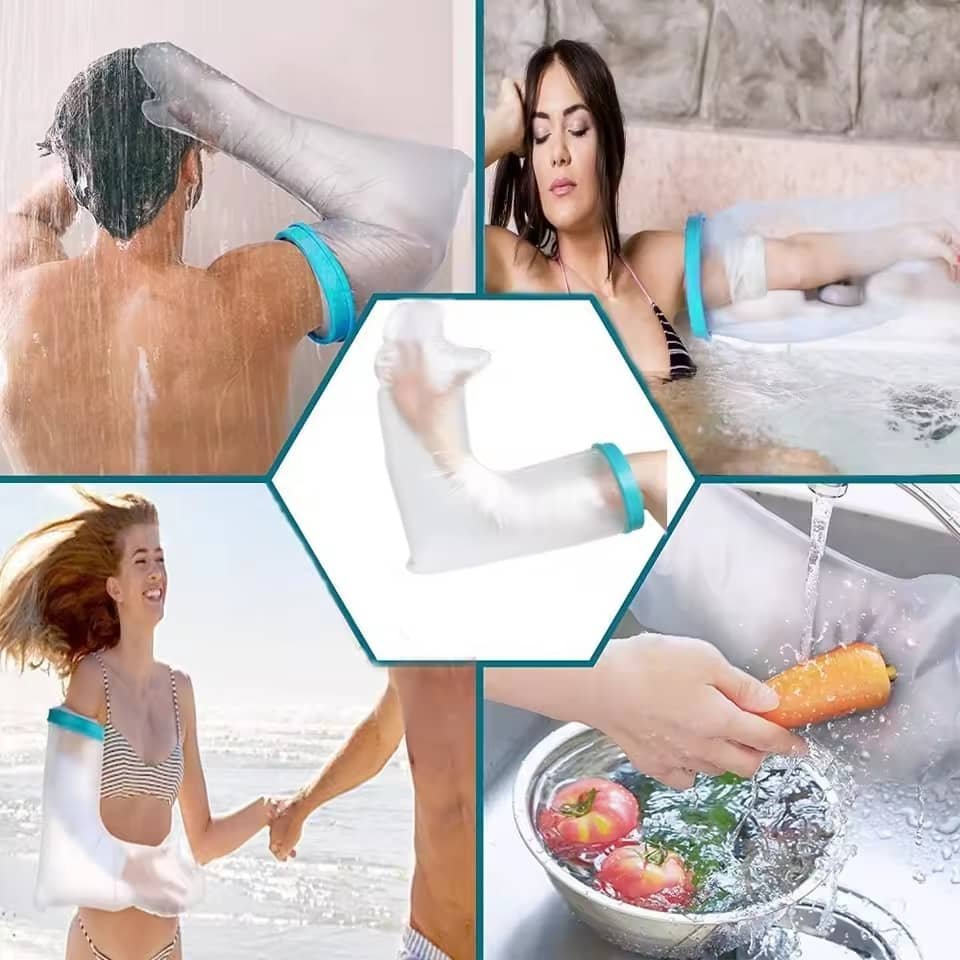
Waterproof Full Arm Cast Cover For Shower
Why Keeping Your Cast Dry is Non-Negotiable
Before diving into the solutions, it’s crucial to understand why this is so important. A traditional plaster or fiberglass cast consists of padding (cotton or synthetic material) next to the skin, surrounded by a hard outer shell. When this padding gets wet, it:
Traps Moisture: It becomes incredibly difficult to dry out, creating a damp, dark environment perfect for bacterial and fungal growth.
Causes Skin Irritation: The constant wetness softens the skin, leading to itching, sores, and potential blistering.
Produces Odors: The combination of bacteria, dead skin cells, and moisture inevitably creates a strong, unpleasant smell.
Compromises Structural Integrity: In severe cases, a wet cast can lose its shape and its ability to properly immobilize the fracture, hindering the healing process.
Your doctor will emphasize this: a dry cast is essential for successful healing. This is where high-quality waterproof protection becomes indispensable.
The Gold Standard: Using a Dedicated Waterproof Arm Cast Cover
The most effective, hassle-free, and secure method is to invest in a professionally designed waterproof arm cast protector. These devices are engineered specifically for this purpose, offering a superior seal and peace of mind.
How They Work:
Most modern waterproof arm cast covers are made from durable, transparent plastics like TPU or PVC, featuring a double-seal system. One end has a wide, stretchable silicone or latex seal that fits snugly around your upper arm, creating a watertight barrier. The other end is open, allowing you to slide your cast in easily. The transparent material lets you see what’s inside, ensuring no water has seeped in.
Choosing the Right Cover:
For the Shower: The Full Arm Cast Cover for Shower
The most common need is for daily hygiene. A waterproof arm cast cover for shower use is an essential item. When selecting one, ensure it is long enough to extend well past the end of your cast. Look for features like:Extra-Wide Seals: This prevents the tight band from cutting off circulation or feeling uncomfortable.
Reusable Design: A good quality cover can be used dozens of times, making it cost-effective.
Comfortable Material: Soft, medical-grade silicone seals are preferable to rough latex for those with sensitive skin.
A full arm cast cover for shower activities is designed to protect not just from direct spray but also from the steam and humidity of a bathroom.
For Swimming: The Arm Cast Cover for Swimming
Taking your cast into a pool, lake, or ocean requires a different level of protection. Water pressure increases with depth, and chlorine or salt water can be particularly damaging. You cannot use a standard shower cover for swimming. You must seek out a waterproof arm cast cover for swimming that is explicitly rated for submersion.These covers are often made from even thicker, more robust material and feature a locking mechanism or a double-ring seal to withstand water pressure. It is absolutely vital to confirm with your doctor before submerging your cast, even with a cover, as they will advise on the healing stage and any potential risks.
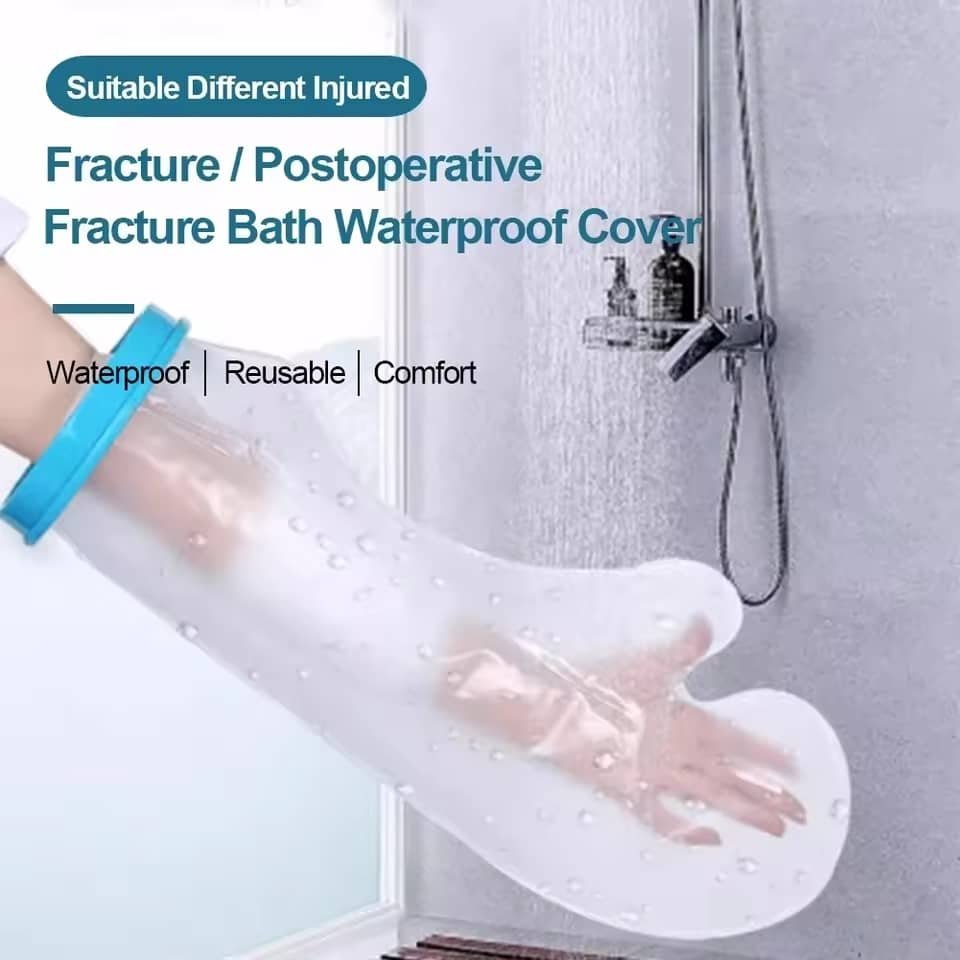
Waterproof Full Arm Cast Cover For Shower
Step-by-Step Guide to Using a Waterproof Sleeve
Using a dedicated waterproof cast protector arm is simple, but doing it correctly is key to staying dry.
Prepare Your Arm: Ensure the skin around the seal area (usually the bicep) is clean, dry, and free of lotions or oils, which can break the seal.
Prepare the Cover: Turn the cover inside out up to the seal. This makes it easier to apply.
Apply the Cover: Gently slide the opened cover over the cast. Once the seal is in position on your upper arm, slowly unroll the cover down the length of your cast.
Secure the Seal: Adjust the silicone seal so it sits comfortably but snugly on your skin. It should be tight enough to prevent water from entering but not so tight that it causes pain or cuts off circulation. Most have a textured ring to help you get a secure grip.
Perform a Check: Before getting in the water, you can do a quick test. Feel around the seal for any gaps. Some people lightly press on the cover to check for any obvious air leaks.
Dry Off: After use, carefully remove the cover by rolling the seal down your arm. Immediately dry the outside of the cast and the skin under the seal with a towel.
Alternative Methods and Their Drawbacks
While a dedicated arm cast cover for swimming or showering is best, there are other methods, though they come with significant risks.
Plastic Bags and Tape: This is the classic DIY approach. While better than nothing, it’s highly unreliable. Tape can lose its stickiness when wet, and bags tear easily. It’s difficult to create a truly watertight seal around the arm, and the tape can irritate the skin or leave a sticky residue. This method is not recommended for anything more than a very quick hand wash.
Press-and-Seal Plastic Wrap: Products like plastic cling wrap can form a better seal than a bag alone. You can wrap it tightly around the top of the cast and partway up the arm. However, it is still prone to tearing and is not designed to withstand the pressure of a shower stream or submersion.
Garbage Bags with Elastic Bands: Slightly more advanced than tape, but the elastic band can be too tight, restricting blood flow, or too loose, allowing water to pour in.
These methods are temporary fixes at best. For daily, reliable protection, a purpose-made cast cover for arm injuries is a wise investment.
What to Do If Your Cast Gets Wet
Accidents happen. If your cast gets damp, act quickly:
Use a Hair Dryer: Set a hairdryer to its cool setting. Do not use heat, as this can warp the fiberglass, burn your skin through the padding, or cause the cast to lose its shape. Gently blow the cool air over the damp area and into the openings of the cast.
Call Your Doctor: If the padding feels wet, if you notice a new odor, or if your skin becomes irritated and itchy, contact your doctor’s office immediately. They may need to replace the cast to prevent infection.
Conclusion: Invest in Peace of Mind
Dealing with an arm cast is a temporary situation, but it requires careful management. The frustration of not being able to shower comfortably or participate in activities like swimming can take a real toll on your quality of life. By investing in a high-quality waterproof arm protector, you are not just buying a piece of plastic; you are investing in your comfort, hygiene, and peace of mind.
A dedicated waterproof arm cast cover is the safest, most effective, and most convenient tool for the job. It empowers you to maintain your normal routine with confidence, ensuring your recovery is as smooth and comfortable as possible. Always consult with your healthcare provider for their specific recommendations, but when it comes to keeping dry, a purpose-built cover is undoubtedly the way to go.