
Is Foot Massage Good for Diabetes?

The relationship between foot care and diabetes management represents a critical aspect of comprehensive diabetes care. With approximately 34.2 million Americans living with diabetes and many more with prediabetes, understanding the potential benefits and risks of foot massage—including modern approaches using EMS foot massager devices, EMS foot massager pad accessories, and broader EMS massage mat systems—is essential for safe and effective self-care practices. This comprehensive examination explores the scientific evidence, medical perspectives, and practical considerations regarding foot massage for individuals with diabetes.
Understanding Diabetes and Foot Complications
Diabetes mellitus, particularly when poorly controlled, can lead to significant foot complications through two primary mechanisms:
Peripheral Neuropathy
Nerve damage caused by prolonged high blood sugar levels affects:
Sensory nerves: Reducing ability to feel pain, temperature, and vibration
Motor nerves: Causing muscle weakness and foot deformities
Autonomic nerves: Affecting sweat and oil production, leading to dry, cracked skin
Peripheral Arterial Disease (PAD)
Reduced blood flow to extremities due to:
Arterial narrowing and hardening
Reduced oxygen delivery to tissues
Impaired healing capacity for wounds and injuries
Increased infection risk due to poor circulation
These complications make foot care particularly crucial for individuals with diabetes, raising important questions about the safety and efficacy of foot massage practices.
Potential Benefits of Foot Massage for Diabetes
When approached cautiously and appropriately, foot massage may offer several benefits for individuals with diabetes:
Improved Circulation
Gentle massage may enhance blood flow through:
Mechanical pumping action that promotes venous return
Capillary dilation improving local blood distribution
Reduced blood viscosity through mechanical stimulation
Enhanced oxygen delivery to peripheral tissues
Neuropathic Symptom Management
Massage may help address some neuropathic symptoms:
Temporary pain relief through gate control theory mechanisms
Reduced tingling sensations through sensory modulation
Improved sleep quality when used before bedtime
Decreased discomfort from diabetic neuropathy
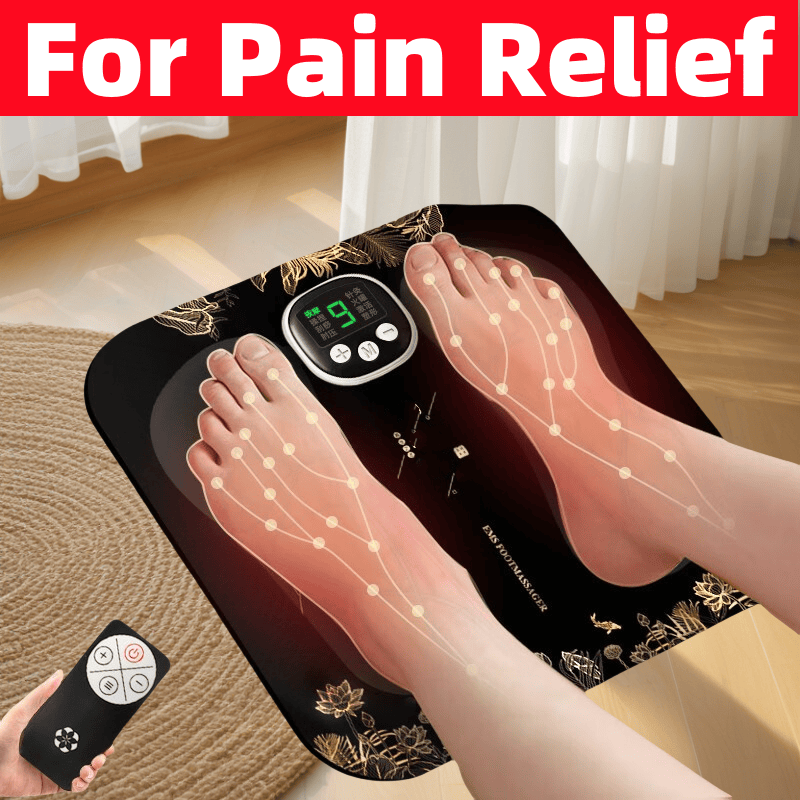
EMS Foot Massager Pad Price, Muscle Stimulator Mat
Psychological Benefits
The relaxation aspects offer mental health advantages:
Stress reduction through relaxation response activation
Improved mood from endorphin release
Better sleep patterns with evening massage routines
Enhanced overall wellbeing from self-care practices
Risks and Concerns Specific to Diabetes
Despite potential benefits, foot massage presents significant risks for individuals with diabetes:
Reduced Sensation Dangers
Peripheral neuropathy creates unique hazards:
Inability to detect excessive pressure leading to tissue damage
Unrecognized skin damage from overly vigorous massage
Delayed discovery of wounds or blisters caused by massage
Difficulty gauging appropriate intensity due to sensory impairment
Circulatory Limitations
Compromised blood flow increases risks:
Potential for bruising and hematoma formation
Delayed healing of any accidental tissue damage
Increased infection risk from minor skin breaks
Reduced inflammatory response masking problems
Temperature Regulation Issues
Autonomic neuropathy affects safety:
Reduced ability to sense temperature changes
Risk of thermal injuries from heated massagers
Impaired sweating affecting skin integrity during massage
Altered blood flow response to temperature changes
EMS Technology and Diabetes: Special Considerations
Electrical Muscle Stimulation devices present additional considerations beyond traditional massage:
EMS Foot Massager Risks
Dedicated units may pose specific concerns:
Electrical stimulation effects on neuropathic tissue
Intensity control challenges with sensory impairment
Electrode contact issues with potentially dry or cracked skin
Muscle response variability in diabetic neuropathy
EMS Foot Massager Pad Considerations
Portable pads require careful assessment:
Variable pressure application without consistent positioning
Less controlled stimulation compared to dedicated units
Potential for uneven current distribution
Difficulty ensuring proper electrode contact
EMS Massage Mat Implications
Full-body systems present broader concerns:
Systemic effects beyond localized foot treatment
Multiple stimulation points increasing overall exposure
Positioning challenges for proper foot placement
Intensity coordination across different body areas
Evidence-Based Medical Perspectives
Supporting Research
Limited studies suggest potential benefits when used properly:
Improved foot skin condition with gentle massage
Enhanced quality of life measures in some studies
Temporary symptom relief for neuropathic pain
Better foot care awareness through regular attention
Concerning Findings
Research also highlights important cautions:
Case reports of injury from inappropriate massage
Variable individual responses to stimulation
Lack of long-term safety data for regular use
Potential for delayed complication recognition
Professional Guidelines
Medical organizations generally recommend:
Professional assessment before beginning any massage routine
Avoidance of vigorous pressure or deep tissue massage
Regular visual inspection before and after massage
Immediate discontinuation if any adverse effects occur
Safe Practices for Diabetic Foot Care
Pre-Massage Assessment
Essential checks before any foot massage:
Visual inspection for cuts, blisters, redness, or swelling
Skin temperature assessment comparing both feet
Pulse check for dorsal pedis and posterior tibial arteries
Sensation testing using monofilament if available
Appropriate Techniques
Safe massage methods for diabetic feet:
Gentle effleurage strokes rather than deep pressure
Light kneading without intense compression
Avoidance of bony prominences and sensitive areas
Focus on muscle groups rather than joint manipulation
Frequency and Duration
Conservative approach recommendations:
Short sessions of 5-10 minutes initially
Low frequency of 2-3 times weekly maximum
Gradual progression only if well-tolerated
Regular reassessment of safety and benefits
EMS Device Usage Guidelines for Diabetes
Contraindications
Absolute avoidance recommended for:
Active foot ulcers or open wounds
Cellulitis or other active infections
Severe peripheral arterial disease
Recent foot surgery or injury
Precautions
Essential safety measures if used:
Medical clearance from healthcare provider
Lowest intensity settings initially
Short initial sessions of 5 minutes maximum
Direct supervision during early uses
Monitoring
Vigilant observation requirements:
Immediate discontinuation if any discomfort
Post-use inspection for skin changes
Regular sensation testing to detect changes
Professional follow-up to assess continued safety
Alternative Approaches to Foot Care
Non-Massage Options
Safer alternatives for many individuals:
Gentle stretching exercises
Water-based therapies with medical approval
Proper footwear selection
Regular professional foot care
Professional Services
Preferable to self-treatment for many:
Podiatrist-guided care
Therapeutic massage by diabetes-trained therapists
Physical therapy with foot focus
Custom orthotic devices
Daily Care Practices
Essential routines beyond massage:
Daily visual inspection
Proper cleaning and drying
Moisturizing except between toes
Nail care professionalism
Individual Factors Influencing Safety
Diabetes Control Level
HbA1c levels affect risk:
Well-controlled diabetes (HbA1c <7%) may tolerate gentle massage better
Poorly controlled diabetes requires extreme caution
Fluctuating levels may affect nerve function variably
Complication Presence
Existing conditions increase risk:
Established neuropathy requires greatest caution
Retinopathy may affect self-inspection ability
Nephropathy can affect healing capacity
Cardiovascular disease may contraindicate some methods
Age and Mobility
Additional considerations:
Elderly individuals may have thinner, more fragile skin
Mobility limitations affect self-assessment ability
Visual impairments reduce self-monitoring capacity
Cognitive changes may affect safety judgment
When to Avoid Foot Massage Entirely
Absolute Contraindications
Complete avoidance necessary with:
Active foot infections or ulcers
Deep vein thrombosis suspicion
Peripheral gangrene presence
Uncontrolled diabetes with complications
Temporary Avoidance
Pause massage during:
Illness or infection periods
Blood sugar instability phases
New foot symptoms development
Medication changes affecting sensation
Professional Consultation
Seek medical advice before considering massage with:
Any existing foot complications
History of foot ulcers
Recent changes in sensation
Poor circulation signs
Conclusion: A Cautious, Individualized Approach
The question of whether foot massage is good for diabetes requires a nuanced answer that acknowledges both potential benefits and significant risks. For individuals with diabetes, particularly those with established complications, foot massage—whether traditional or using modern EMS foot massager devices, EMS foot massager pad accessories, or EMS massage mat systems—requires careful consideration and professional guidance.
The potential benefits of improved circulation, temporary symptom relief, and psychological wellbeing must be weighed against the very real risks of tissue damage, delayed wound recognition, and serious complications. For most individuals with diabetes, particularly those with neuropathy or vascular complications, professional foot care and medically supervised therapies offer safer alternatives to self-administered massage.
If massage is considered appropriate after medical consultation, it should be approached with extreme caution: starting gently, monitoring closely, and prioritizing safety over any potential benefits. The most important aspect of foot care for diabetes remains regular professional assessment, proper daily maintenance, and immediate attention to any changes or concerns.
Ultimately, while foot massage may offer some benefits for selected individuals with well-controlled diabetes and no significant complications, it should never replace conventional foot care practices or professional medical advice. The potential risks generally outweigh the benefits for most people with diabetes, making caution the wisest approach when considering foot massage as part of diabetes management.
Related topics:
Beyond the Bonus: Cultivating Culture with Thoughtful Corporate Gifts for Employees
https://timebusinessnews.com/beyond-the-paycheck-unpacking-the-anatomy-of-a-truly-meaningful-employee-reward/
How to Personalize Your Tungsten Ring: Inlays, Finishes, and Designs