
Is It Okay to Use a Foot Massager Everyday?

The convenience of modern recovery technology has made daily foot massage an accessible luxury for many. However, the question of whether it’s beneficial or potentially harmful to use devices like EMS foot massager units, portable EMS foot massager pad accessories, or comprehensive EMS massage mat systems on a daily basis requires careful examination. This comprehensive analysis explores the physiological effects, potential benefits, risks, and practical considerations of daily EMS foot massager use, providing evidence-based guidance for developing a safe and effective routine.
Understanding EMS Technology and Frequency Implications
Electrical Muscle Stimulation technology represents a significant advancement in home wellness devices, but its daily use requires understanding of how it affects the body differently than traditional massage. Unlike mechanical massagers that primarily manipulate soft tissues, EMS devices work by stimulating nerves to create involuntary muscle contractions. This fundamental difference means that frequency considerations must account for both neurological adaptation and muscular recovery factors.
Potential Benefits of Daily Use
When used appropriately, daily EMS foot massage may offer several advantages:
Consistent Circulation Support
Regular use can provide ongoing circulatory benefits:
Maintained venous return from lower extremities
Reduced daily swelling for those who stand or sit for prolonged periods
Consistent nutrient delivery to foot tissues
Continuous waste removal from muscle metabolism
Chronic Condition Management
For certain persistent conditions, daily use may be beneficial:
Plantar fasciitis symptoms may respond better to consistent therapy
Mild neuropathy discomfort might be managed with regular stimulation
Arthritis stiffness often improves with daily movement promotion
General foot fatigue from daily activities can be addressed preventatively
Stress and Relaxation Benefits
Incorporating massage into daily routines offers psychological advantages:
Established relaxation ritual that signals end of daily stress
Consistent sleep preparation when used before bedtime
Regular mindfulness practice opportunity through focused sensation
Habit formation that supports overall wellness consistency
Potential Risks and Concerns of Daily Use
Despite potential benefits, daily use presents several important considerations:
Neurological Adaptation and Diminished Returns
The nervous system may adapt to regular stimulation:
Decreased sensitivity requiring higher intensities over time
Reduced effectiveness as muscles become accustomed to patterns
Potential dependency on external stimulation for relaxation
Natural recovery mechanism interference if over-relied upon
Tissue Stress and Recovery Needs
Muscles and nerves require recovery time:
Cumulative micro-trauma risk from repeated stimulation
Inadequate recovery time between sessions
Potential overuse symptoms despite low perceived intensity
Connective tissue stress from frequent contractions
Skin and Sensory Considerations
Daily electrode contact presents specific concerns:
Skin irritation from repeated adhesive or electrode contact
Reduced sensation over time in some individuals
Contact dermatitis risk from daily material exposure
Moisture buildup and hygiene concerns
Device-Specific Daily Use Considerations
Dedicated EMS Foot Massager
Daily use potential: Moderate to High
Considerations:
Typically designed for regular use
Better safety features for frequent application
More consistent electrode placement
Often includes usage tracking features
EMS Foot Massager Pad
Daily use potential: Moderate
Considerations:
Variable quality affects daily use suitability
Portability might encourage more frequent use
Less consistent contact may cause uneven stimulation
May lack advanced safety features for intensive use
EMS Massage Mat
Daily use potential: Low to Moderate
Considerations:
Broader stimulation affects more muscle groups
Requires more overall recovery time
Foot-specific segments can be used more frequently
Full-body sessions should be spaced appropriately
Individual Factors Influencing Daily Use Suitability
Health Status and Conditions
Appropriate for daily use:
General wellness maintenance
Mild chronic conditions with medical approval
Desk workers with daily foot fatigue
Those with standing occupations
Require reduced frequency:
Acute injuries or inflammation
Sensory disorders
Circulatory conditions
Recent surgeries or procedures
Age and Recovery Capacity
Younger adults (18-40):
Generally tolerate daily use well
Faster recovery between sessions
May benefit from consistent routine
Middle-aged adults (40-65):
Moderate frequency often optimal
May require occasional rest days
Should monitor recovery needs
Older adults (65+):
Typically benefit from reduced frequency
Longer recovery between sessions recommended
Closer monitoring for adverse effects
Activity Level and Lifestyle
Sedentary individuals:
May benefit from daily circulation stimulation
Lower risk of overuse
Can serve as movement compensation
Active individuals:
Require careful timing around workouts
May need rest days coinciding with intense training
Should coordinate with other recovery modalities
Variable activity patterns:
Adjust frequency based on daily demands
Use more on high-activity days
Reduce on recovery days
Optimal Daily Usage Protocol
Session Duration Guidelines
For daily use:
Maximum: 20 minutes per session
Ideal: 10-15 minutes for most users
Minimum: 5 minutes for maintenance
Intensity Management
Daily intensity progression:
Monday: Low intensity (30-40% maximum)
Tuesday: Moderate intensity (40-60%)
Wednesday: Low intensity (30-40%)
Thursday: Moderate intensity (40-60%)
Friday: Low intensity (30-40%)
Weekend: Rest or very light stimulation
Timing Considerations
Best times for daily use:
Evening: For relaxation and sleep preparation
Post-work: After standing or physical activity
Morning: For circulation activation (lower intensity)
Avoid:
Immediately upon waking (allow natural circulation establishment)
Right after meals (digestion priority)
During work tasks requiring concentration
Signs You Should Reduce Frequency
Physical Indicators
Persistent muscle fatigue despite massage
Reduced effectiveness requiring constant intensity increases
Skin irritation that doesn’t resolve between sessions
Increased swelling rather than improvement
Performance Indicators
Decreased athletic performance
Longer recovery needs from normal activities
Reduced natural flexibility
Increased stiffness in mornings
Sensory Indicators
Numbness or tingling between sessions
Reduced sensitivity to stimulation
Discomfort at previously comfortable intensities
Electrical sensation persistence after sessions
Alternatives to Daily Use
Cyclical Approach
3 weeks on, 1 week off:
Allows neurological reset
Prevents adaptation
Maintains effectiveness
Reduces dependency risk
Periodization Model
High frequency phases:
During stressful periods
After increased activity
For specific goal periods
Low frequency phases:
During relaxation periods
When less active
For maintenance only
Complementary Modalities
Rotate with other methods:
Manual massage: 2-3 days weekly
EMS massage: 2-3 days weekly
Rest days: 1-2 days weekly
Other modalities: Compression, stretching, etc.
Special Considerations for Specific Devices
EMS Foot Massager Daily Use
Best practices:
Clean electrodes daily
Vary programs regularly
Monitor power cord integrity
Check device temperature
EMS Foot Massager Pad Daily Use
Specific considerations:
Ensure consistent placement
Check for wear on portable units
Monitor battery health if cordless
Store properly to maintain integrity
EMS Massage Mat Daily Use
Usage strategy:
Focus on foot areas daily if desired
Full-body use 3-4 times weekly maximum
Clean entire surface regularly
Rotate positioning for even wear
Long-Term Perspective and Monitoring
Regular Assessment
Monthly check-ins:
Effectiveness evaluation
Skin health assessment
Recovery needs analysis
Routine adjustment consideration
Seasonal Adjustments
Summer months:
May tolerate more frequent use
Watch for sweat-related skin issues
Hydration becomes more important
Winter months:
May benefit from more frequent use
Watch for dry skin concerns
Warm-up may be more important
Life Changes Adaptation
During stress periods:
May benefit from increased frequency
Monitor for tension changes
Adjust intensity accordingly
During relaxed periods:
May reduce frequency
Focus on maintenance rather than therapy
Enjoy natural recovery capacity
When to Consult Professionals
Medical Guidance
Seek advice if:
Planning daily use with health conditions
Experiencing unusual responses
Considering long-term daily use
Using alongside other treatments
Technical Support
Contact manufacturers:
For device-specific daily use guidelines
When experiencing technical issues
For warranty considerations with frequent use
Regarding expected device lifespan
Conclusion: A Balanced Approach to Daily Use
The question of whether it’s okay to use an EMS foot massager every day doesn’t have a simple yes or no answer. For many individuals, daily use of EMS foot massager devices can be both safe and beneficial when approached thoughtfully. However, this requires careful attention to individual responses, appropriate intensity management, and regular assessment of continued effectiveness.
The key principles for successful daily use include:
Start gradually and increase frequency slowly
Listen to your body’s signals and adjust accordingly
Maintain variety in programs and intensities
Prioritize recovery as much as stimulation
Monitor long-term effects and be willing to adapt
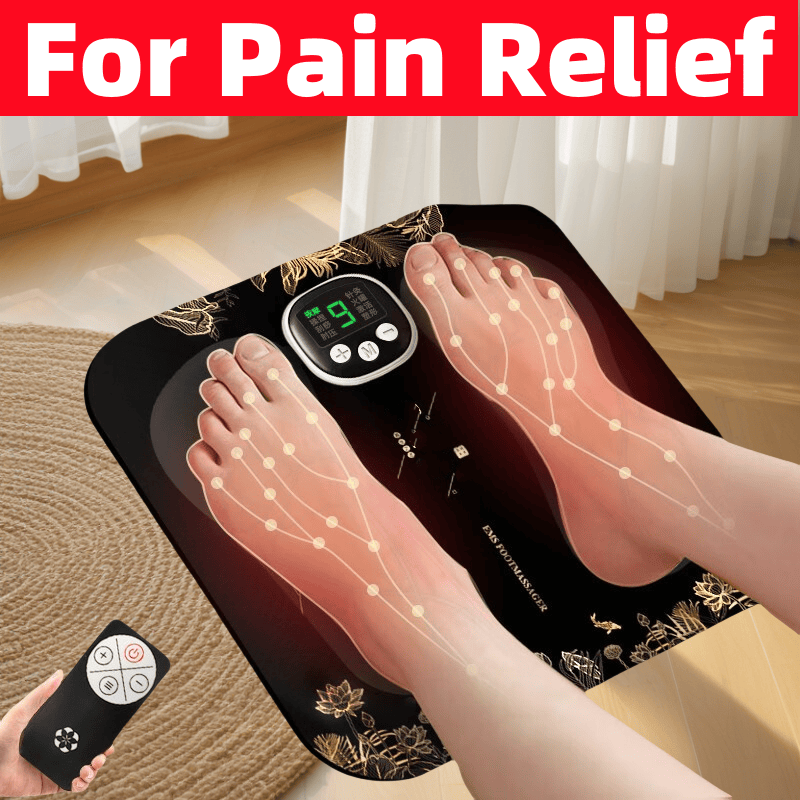
EMS Foot Massager Pad Price, Muscle Stimulator Mat
For most users, a balanced approach that includes some daily use along with periodic rest days and complementary modalities will provide the best results. Whether using a dedicated EMS foot massager, a convenient EMS foot massager pad, or a comprehensive EMS massage mat, the goal should be sustainable, effective use that supports overall foot health without creating dependency or diminishing returns.
Remember that these devices are tools to enhance wellness, not replacements for natural movement and recovery processes. Used wisely and mindfully, daily EMS foot massage can be a valuable component of a comprehensive self-care routine that keeps your feet healthy, comfortable, and ready for whatever each day brings.
Related topics:
Beyond the Bonus: Cultivating Culture with Thoughtful Corporate Gifts for Employees
https://timebusinessnews.com/beyond-the-paycheck-unpacking-the-anatomy-of-a-truly-meaningful-employee-reward/
How to Personalize Your Tungsten Ring: Inlays, Finishes, and Designs