
Is there a waterproof cover for broken arm cast?

A broken arm is a significant inconvenience, bringing daily life to a halt in surprising and frustrating ways. Among the most immediate and recurring challenges is the simple act of keeping the plaster or fiberglass cast dry. Whether facing a daily shower, washing hands, or wanting to swim, the threat of moisture damaging the cast and harming the skin beneath is a constant concern. This leads to the pivotal question: Is there a truly effective waterproof solution?
The unequivocal answer is yes. The market has responded to this universal need with a range of innovative products designed specifically to protect casts from water. The most effective and popular solution is a dedicated waterproof arm cast cover. This article will explore the different types of covers available, their uses, and how to choose the right one for activities from showering to swimming.
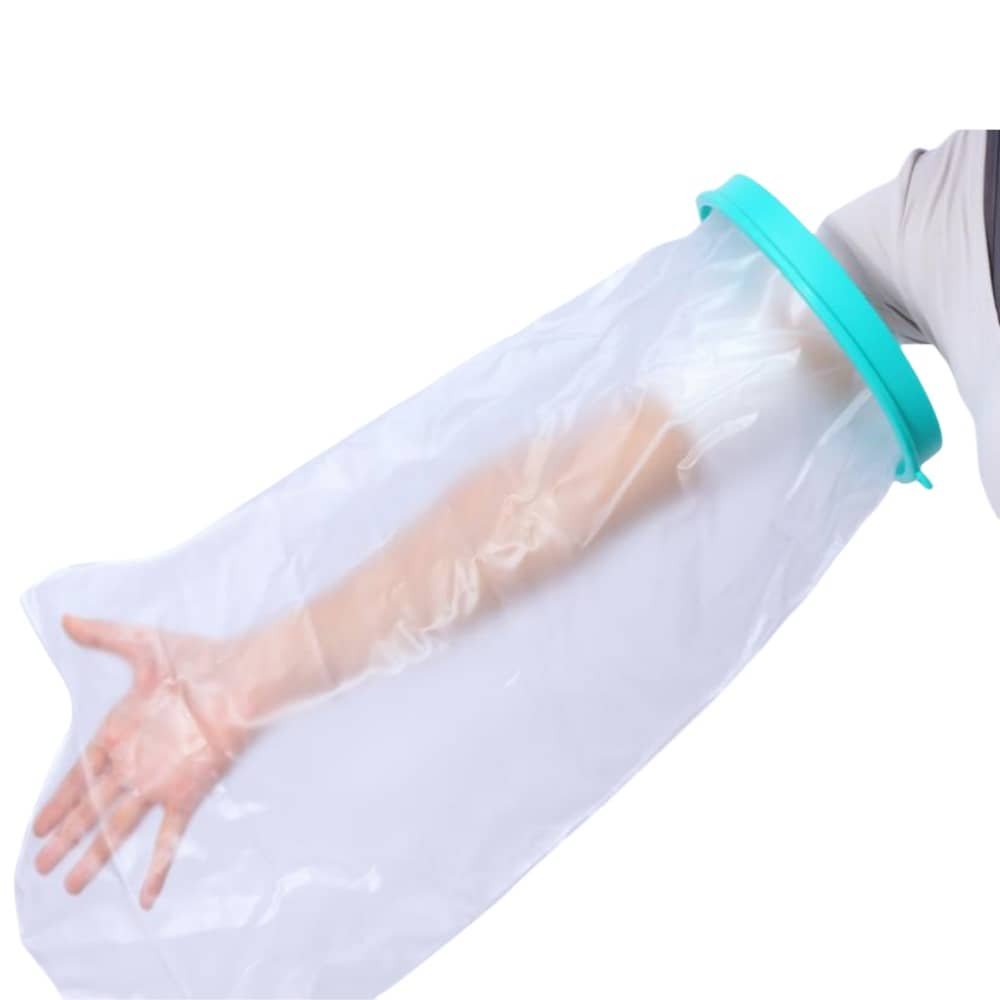
Waterproof Full Arm Cast Cover For Shower
Understanding the Critical Need for Waterproof Protection
Before delving into the solutions, it’s important to understand why keeping a cast dry is non-negotiable.
Skin Health: A wet cast creates a damp, dark environment ideal for bacterial and fungal growth. This can lead to severe skin maceration (pruning and softening), infections, and a profoundly unpleasant odor.
Cast Integrity: Moisture can weaken the structural integrity of a plaster cast, causing it to lose its shape and its ability to properly immobilize the fracture. While fiberglass is more resistant, its padding can still absorb water.
Comfort: A wet cast is heavy, cold, and incredibly uncomfortable until it dries—which can take a very long time from the inside out.
Avoiding Replacement: If a cast gets soaked, it often necessitates an unplanned trip to the doctor or hospital to have it replaced. This is costly, time-consuming, and delays the healing process.
The Premier Solution: The Dedicated Waterproof Arm Cast Cover
The standard and most reliable solution is a commercially available waterproof arm protector. These are not simple plastic bags with tape; they are engineered devices designed to create a perfect seal.
How They Work:
Most high-quality covers are made from durable, medical-grade materials like latex-free thermoplastic or heavy-duty vinyl. They feature a double-seal system:
Inner Seal: A soft, flexible latex-free silicone or foam ring that fits snugly against the skin, creating a watertight barrier.
Outer Seal: An adjustable strap or a wider cuff that secures the inner seal in place, ensuring it doesn’t slip or leak during movement.
This dual-system is crucial because it doesn’t rely on tight, circulation-cutting elastic or tape. It creates a secure seal through gentle, even pressure.
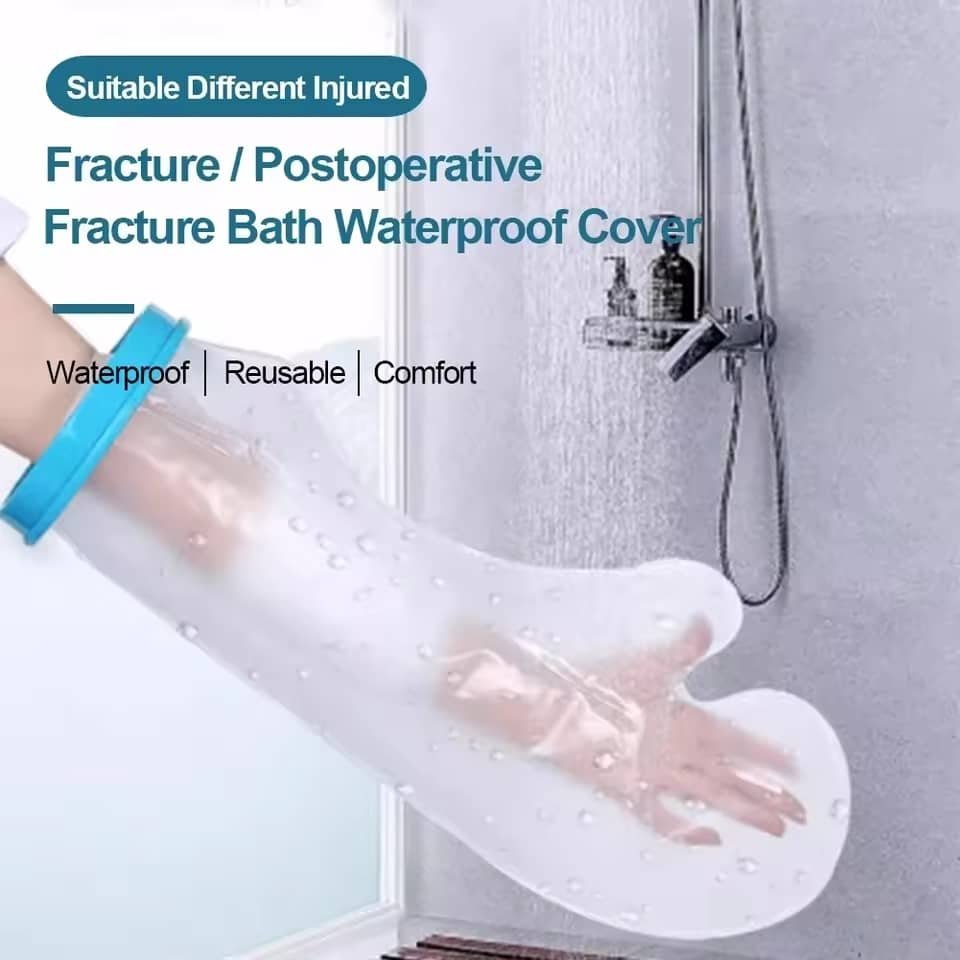
Waterproof Full Arm Cast Cover For Shower
Finding the Right Cover for Your Activity
The generic term waterproof arm cast cover encompasses products designed for different levels of activity and immersion.
1. For the Daily Shower: The Waterproof Arm Cast Cover for Shower
This is the most common use case. A waterproof arm cast cover for shower is designed to protect against splashes, direct spray, and the humid environment of a bathroom.
Key Features: These covers are typically designed for ease of use, often with a wide, easy-to-grip opening and a simple strap or double-ring seal. They are perfect for ensuring you can bathe without stress.
The Full Arm Cast Cover for Shower: For breaks that extend high up the arm, a full arm cast cover for shower is essential. These are longer versions, often extending to the shoulder, to ensure the entire cast and its upper edge are protected from water running down the body.
2. For Aquatic Activities: The Arm Cast Cover for Swimming
Taking protection a step further is the waterproof arm cast cover for swimming or arm cast cover for swimming. Swimming introduces more pressure and movement than showering, requiring a more robust design.
Key Features: Swimming-specific covers are often made from even thicker, more puncture-resistant material. The seals are rigorously tested to withstand the pressure of being submerged at depth (e.g., diving into a pool) without failing. It is absolutely critical to use a cover explicitly rated for swimming, as a shower cover may not be sufficient.
Important Caveat: Always consult your orthopedist or doctor before swimming with a cast. Even with a waterproof cover, they may advise against it based on the nature of your fracture, your stage of healing, and the risk of impact.
How to Choose and Use a Waterproof Cast Protector for Arm
Selecting the right product involves a few key steps:
Measure Accurately: This is the most important step. You need two measurements:
The circumference of your arm where the seal will sit (just above the cast).
The length of the cast itself, from the top to the fingertips, to ensure the cover is long enough.
Product listings provide size charts based on these measurements. A proper fit is paramount for a watertight seal.
Check the Seal Type: Look for products with a wide, soft silicone seal. This is more comfortable and effective than thin, sharp-edged seals or those that rely solely on tight elastic.
Read Reviews: User reviews are invaluable for assessing real-world performance. Look for feedback on comfort, durability, and, most importantly, whether the product actually kept water out during use.
Perform a Safety Test (The Tissue Test): Before your first shower or swim, do a dry test. Put the cover on and place a piece of dry tissue or paper towel inside, against the end. Then, carefully submerge your arm in a sink or bathtub for a few minutes without moving it vigorously. Remove the cover and check the tissue. If it’s dry, your seal is secure.
Follow Instructions: Always follow the manufacturer’s instructions for putting on and taking off the cover. Proper application is key to its functionality.
Alternatives to Commercial Covers
While dedicated covers are the gold standard, people sometimes resort to DIY methods.
Plastic Bags and Tape: This is a risky, last-resort option. Tape can pull on body hair and irritate skin, and it’s very difficult to create a reliable seal around the upper arm. It often fails and is not recommended for anything more than a very quick hand wash.
Press-and-Seal Plastic Wrap: This is a slightly better DIY option than a bag, as it can mold to the arm. However, it is still prone to leaks and is not trustworthy for a shower or bath.
These methods are not safe for swimming and offer poor protection compared to a engineered waterproof cast protector arm.
Conclusion: Regaining Normalcy with Confidence
The existence of high-quality, dedicated waterproof cast covers is a game-changer in injury recovery. They restore a significant degree of independence and normalcy, alleviating the daily stress and mess of trying to protect a cast.
Whether you need a waterproof arm cast cover for shower use to make your daily routine easier or a robust arm cast cover for swimming to get back into the pool, there is a product designed for that purpose. By carefully measuring, selecting a well-reviewed product, and testing the seal, you can confidently keep your cast dry, protect your skin, and avoid any setbacks in your healing journey. Investing in a proper waterproof arm protector is an investment in your comfort, hygiene, and overall well-being during recovery.