
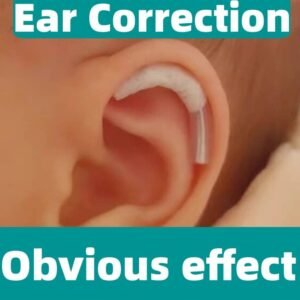
Ape Ear Corrector For Adults, Baby, Newborn and Infant
Ear Deformity Corrector Infant, Molding Correction Clip Newborn
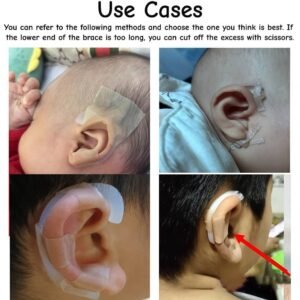
Elf Ear, Vertical Ear and Stand Ear Corrector Without Surgery for 0 to 12 months of age Veneer Ears
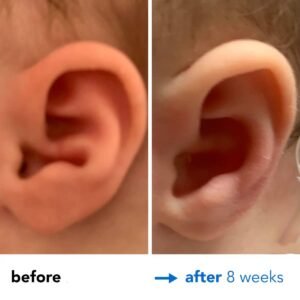
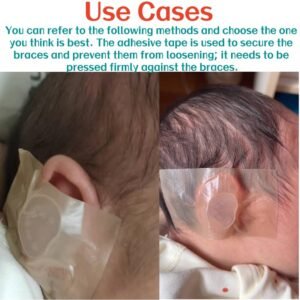
Fixing Conchal Crus Deformity, Conchal Crus Ear Correction Without Surgery
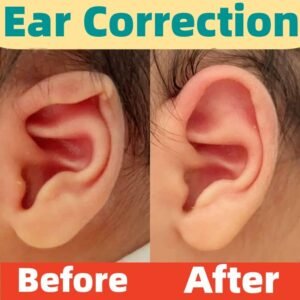
Infant Stick Out Ear correction, Protruding Ear Corrector
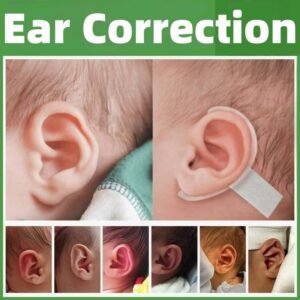
Lop Ear Corrector Tape, Cryptotia Deformity Correction
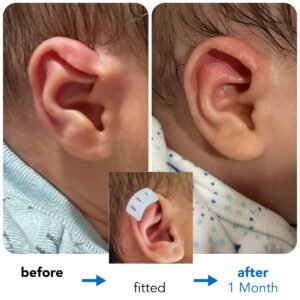
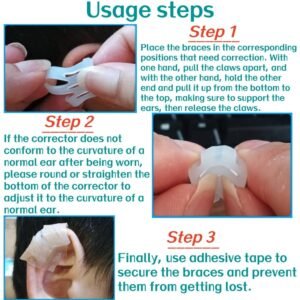
Lop Ear Deformity Correction Treatment For Baby & Adults, Fixing Lop Ear Human Without Surgery
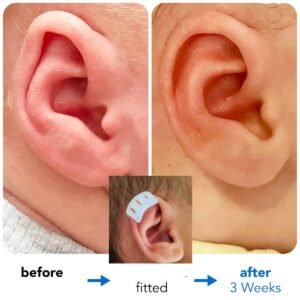
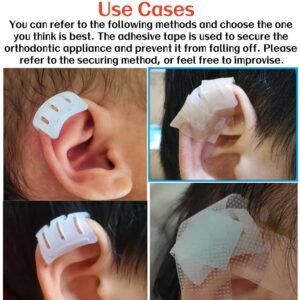
Newborn ( 0 to 12 months) Constricted Ear Correction Without Surgery, Fixing Folded Over Helical Rim Kink deformity
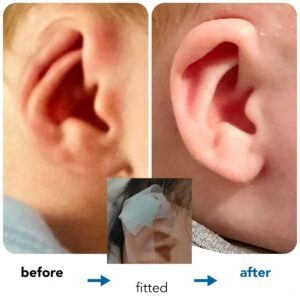
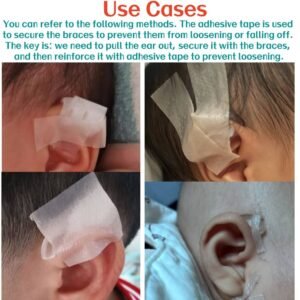
Newborn ( 0 to 12 months) Cryptotia Ear Deformity Treatment Without Surgery, Fixing Repair Cryptotia Non Surgical
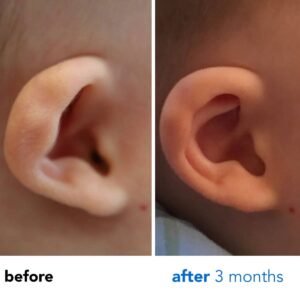
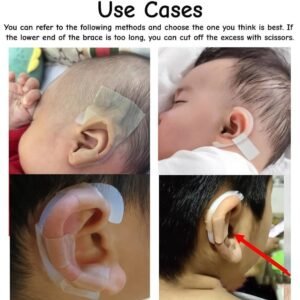
Newborn ( 0 to 6 months) Cup Shaped Ear And Earlobes Stick Out Correction Without Surgery
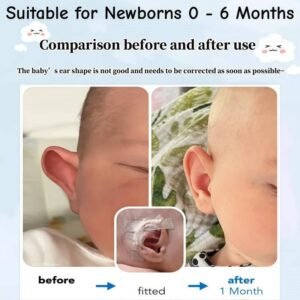
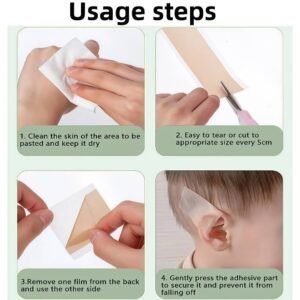
Newborn ( 0 to 6 months) Protruding Ear Correction Stickers,Fixing Ears That Stick Out Without Surgery
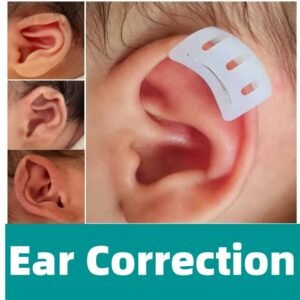
Prominent Ear Corrector Clip, Cup Ear Deformity Correction
Stahl’s Ear Correction For Baby & Adults Without Surgery, Fixing Stahls Bar Ear Deformity
A Comprehensive Guide to Ear Correction: From Newborns to Adults
Ear deformities, whether present at birth or developing later in life, can be a source of significant concern and self-consciousness for individuals and their families. Fortunately, advancements in medical technology have led to the development of non-surgical solutions known as ear correctors. This article provides an informative overview of these devices, addressing their use for both infant ear correction and ear correctors for adults, to help you make an informed decision.
Understanding Infant Ear Deformities
The birth of a child is a joyous occasion, but it can also be accompanied by anxiety if the newborn has a physical anomaly. An ear deformity newborn may present with a variety of conditions. These are generally categorized into two groups: malformations and deformations.
Malformations: These occur during the early stages of fetal development and involve incomplete development of the ear's cartilage. Examples include microtia (where the external ear is underdeveloped) and anotia (absence of the ear). These often require complex surgical intervention later in childhood.
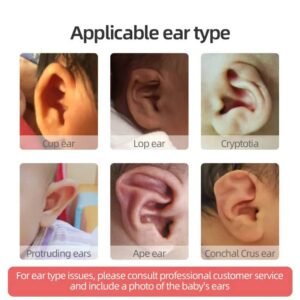
Deformations: This is the more common type of infant ear deformity. It is caused by external pressure on the soft, pliable ear cartilage in the womb or during the birth process. The cartilage has not formed incorrectly; it has simply been molded into an irregular shape. Common examples include:
Lop Ear: The top of the ear rim is folded over.
Cup Ear: The ear is smaller and cupped forward.
Stahl's Ear: An extra fold of cartilage creates a pointed, "Spock-like" appearance.
Prominent Ears: Ears that protrude significantly from the head.
Lidding: The top of the ear rim is collapsed downward.
The critical factor for new parents to understand is that deformation deformities are highly treatable without surgery, but there is a very narrow window of opportunity.
The Miracle of Infant Ear Correction
The first few weeks of a newborn's life are a unique period. The baby still has high levels of circulating maternal estrogen, which keeps the ear cartilage exceptionally soft, malleable, and responsive to molding. This plasticity rapidly decreases after about six to eight weeks as the estrogen levels drop and the cartilage begins to stiffen.
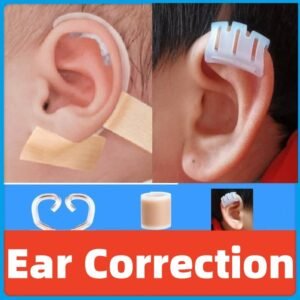
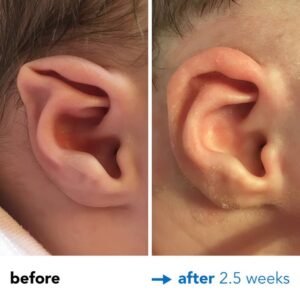
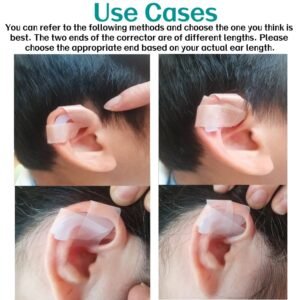
This is where infant ear correction comes in. Non-surgical ear corrector for babies are small, custom-fitted devices, typically made from soft silicone or a similar material. They work by applying gentle, constant pressure to reshape the deformed cartilage into a more typical form. The device is worn for a period of several weeks, and the results are often permanent.
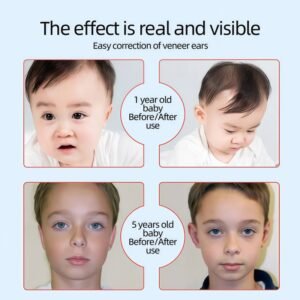
The process is simple, painless, and highly effective, with success rates often exceeding 90% when treatment is initiated early. For parents, this means avoiding the potential risks, costs, and emotional toll of surgery later in their child's life. If you suspect your newborn has an ear deformation, it is crucial to consult a pediatrician or a specialist immediately to explore this option before the window closes.
Addressing Ear Concerns in Adulthood
For adults who are self-conscious about the shape of their ears, the options have historically been limited to otoplasty, a surgical procedure to reshape the ear cartilage. While effective, surgery involves anesthesia, recovery time, scarring, and significant cost.
Today, however, there is a growing market for non-surgical ear correctors for adults. These devices function differently than those for infants. Adult ear cartilage is fully formed and hardened; it cannot be permanently reshaped through gentle pressure alone.
Most ear corrector devices marketed to adults are aesthetic concealers. They are often made from medical-grade silicone and are designed to clip onto or adhere to the back of the ear, holding it closer to the head to reduce the appearance of prominence. They are typically worn discreetly under the hair and can be removed daily. While they do not offer a permanent change, they can provide a non-invasive confidence boost for individuals in professional or social settings without the commitment of surgery.
It is vital for consumers to have realistic expectations. These devices are cosmetic prosthetics, not corrective tools. For a permanent alteration to adult ear shape, surgical consultation remains the only proven solution.
Choosing the Right Path
Whether for a newborn or an adult, understanding the options is the first step toward addressing an ear deformity.
For Your Baby: Time is of the essence. If you notice any irregularity in your newborn’s ear shape, do not adopt a "wait-and-see" approach. Promptly discuss it with your pediatrician. Early intervention with an ear corrector for babies is a safe, effective, and transformative solution that can prevent future psychological distress.
For Adults: Clearly define your goal. If you seek a permanent change, consult a board-certified plastic or ENT surgeon to discuss otoplasty. If you desire a non-invasive, temporary solution for specific occasions, a reputable ear corrector device may be a suitable option to explore.
In all cases, seek advice from qualified medical professionals. They can provide an accurate diagnosis, recommend the most appropriate treatment, and guide you toward safe and effective products, ensuring the best possible outcome for you or your child.