
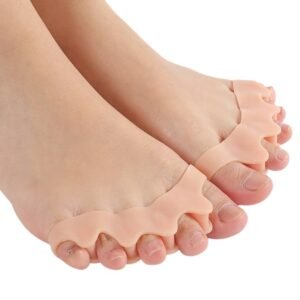
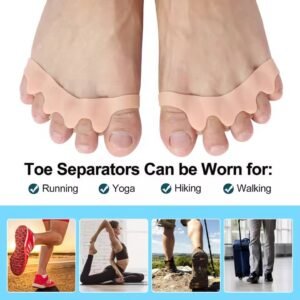
Correct Toes Spacers, Silicone Gel Toe Separators for Pedicure
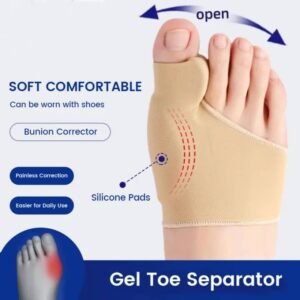
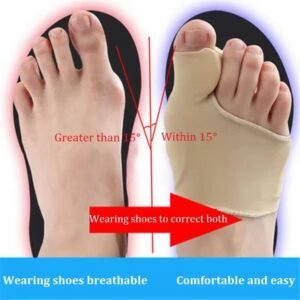
Gel Big Toe Separators for Bunions
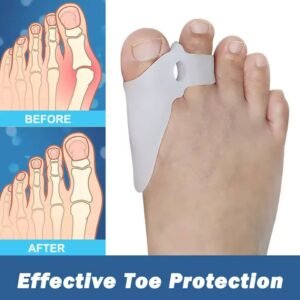

Gel Silicone Big Toe Dividers Spacer for Bunions
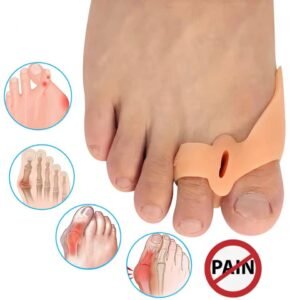
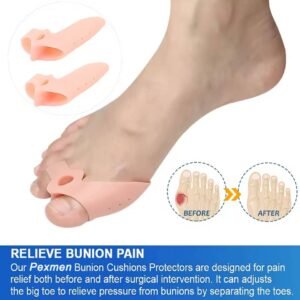
Gel Silicone Big Toe Separators for Overlapping Toes
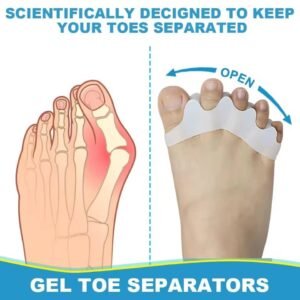
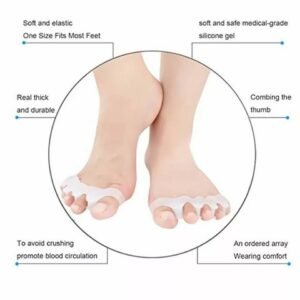
Silicone Toe Spreaders Dividers for Overlapping Toes
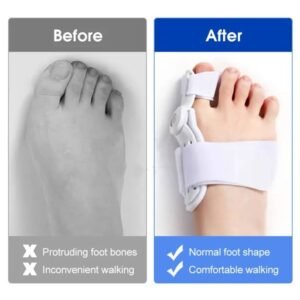

Toe Spacers for Bunions, Big Toe Stretcher
Finding Relief: A Guide to Toe Spacers for Bunion Management
Bunions (hallux valgus) are a common and often painful foot deformity characterized by a bony bump that forms on the joint at the base of the big toe. This condition causes the big toe to angle inward toward the other toes, leading to pain, inflammation, redness, and difficulty finding comfortable footwear. While severe cases may require surgical intervention, many people seek non-invasive methods to manage their discomfort and slow the progression. Among the most popular and accessible tools are toe spacers for bunions. This article delves into how these devices work, the different types available, and how to use them effectively as part of a comprehensive care plan.
What Are Toe Spacers and How Do They Help Bunions?
Toe spacers for bunions, also commonly referred to as toe separators for bunions, are small, pliable devices placed between the toes. Their primary function is to gently realign the toes into a more natural, splayed position. But how does this simple action help with a complex structural issue like a bunion?
The development of a bunion is often exacerbated by prolonged pressure and biomechanical imbalances that force the toes together. Traditional footwear, particularly narrow or high-heeled shoes, cramps the toes, forcing the big toe toward the second toe. Over time, this pressure stresses the joint.
This is where spacers for bunions come into play. They work by:
Mechanical Realignment: They physically create space between the big toe and the second toe. This gentle, constant pressure helps to counteract the inward drift of the big toe, gradually encouraging it back toward a neutral alignment.
Pressure Redistribution: By separating the toes, spacers help to distribute pressure more evenly across the forefoot during walking or standing. This can alleviate the intense pressure on the inflamed bunion joint, providing significant pain relief.
Preventing Overlapping Toes: Bunions can cause the second toe to buckle and overlap the big toe. Spacers act as a barrier, preventing this painful crossover and maintaining proper toe alignment.
Muscle and Ligament Retraining: Our feet have intrinsic muscles that are often weakened by modern footwear. Spacers can help reactivate and strengthen these muscles by encouraging the toes to function independently, promoting better overall foot health and stability.
It is crucial to understand that while toe spacers for bunions are excellent for managing symptoms and improving alignment during rest, they are not a standalone "cure" for a fully developed bunion. They are most effective when used proactively in the early stages or as part of a broader conservative treatment plan.
Choosing the Right Material: The Rise of Silicone
Toe spacers come in various materials, including foam, gel, and plastic. However, the most popular and highly recommended type by far is the silicone toe spacer.
Why has silicone become the gold standard?
Medical-Grade Safety: High-quality silicone is hypoallergenic, latex-free, and non-toxic, making it safe for prolonged skin contact and minimizing the risk of irritation.
Durability and Flexibility: Silicone is remarkably durable and can withstand repeated use and washing. Its inherent flexibility allows it to move with your foot, providing comfortable support without being too rigid.
Perfect Balance of Cushion and Grip: A silicone toe spacer offers a soft, cushioned feel that protects sensitive skin while also having a slight tackiness. This gentle grip helps keep the spacer securely in place between the toes, preventing it from slipping out during activity.
Easy to Clean: Silicone is non-porous, making it easy to wash with soap and water to maintain hygiene.
When shopping, you will find silicone toe spacer products in several forms: individual nubby spacers, two-toe spacers that connect the big and second toe, and full-length splints that wrap around the big toe for more robust alignment support.
Incorporating Toe Spacers into Your Routine
Using toe spacers correctly is key to getting the most benefit and avoiding discomfort.
Start Slowly: If you are new to toe spacers, your feet will need time to adapt. Begin by wearing them for just 15-30 minutes while relaxing at home. Gradually increase the wearing time by an hour each day as your comfort level allows.
Focus on Static Use First: Initially, use them while sitting, sleeping, or standing still. Avoid wearing them inside your shoes until you are completely comfortable wearing them barefoot, and only if your shoes have a wide enough toe box to accommodate them without creating new pressure points.
Listen to Your Body: Some mild discomfort is normal as your toes adjust to being in a new position. However, you should not feel sharp pain, numbness, or a loss of circulation. If you do, remove the spacers immediately. The pressure should be gentle and corrective, not forceful.
Combine with Other Therapies: For the best results, use toe separators for bunions as part of a holistic approach. This should include:
Footwear Modification: This is the most critical step. Switch to shoes with a wide, deep toe box that allows your toes to spread out naturally.
Strengthening Exercises: Practice picking up marbles with your toes or spreading your toes apart against resistance to build strength.
Bunion Pads: Use protective pads over the bony bump to shield it from friction in shoes.
Consultation with a Professional: Always see a podiatrist or foot specialist for a proper diagnosis. They can recommend the specific type of spacers for bunions that are right for your individual condition and guide your overall treatment plan.
Conclusion: A Step Toward Comfort
Toe spacers for bunions are a simple, affordable, and non-invasive tool that can offer genuine relief from bunion pain and improve toe alignment. While they are not a miracle solution, a high-quality silicone toe spacer, used consistently and correctly alongside supportive footwear and exercises, can be a powerful component of managing bunions conservatively. By taking this proactive step, you can alleviate discomfort, improve your foot function, and invest in the long-term health of your feet.