


100% waterproof knee cast cover for showers, baths, swimming, and hydrotherapy. provides comfortable knee water protector for kids, children and Adult


Provides wrist cast waterproof cover for kids, children and Adult. Keep your cast or dressing dry with wrist plaster cast Protector for showers, baths, swimming, and hydrotherapy.


Waterproof Full Arm Cast Cover For Shower, baths, swimming, comfortable Full Arm water protector for kids, children and Adult


Waterproof Leg Cast Cover For Shower, baths, swimming, comfortable Leg water protector for kids, children and Adult
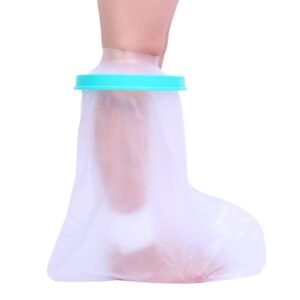
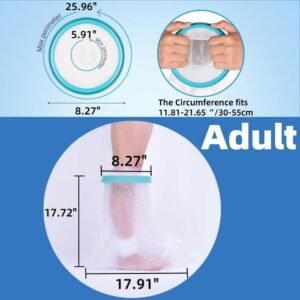
Waterproof Waterproof Foot Ankle Cast Cover For Shower, baths, swimming, comfortable ankle cast protector for kids, children and Adult
Your Complete Guide to Staying Dry: Waterproof Protection for Casts and Wounds
A cast or a fresh surgical wound can significantly disrupt your daily life, especially when it comes to something as simple and essential as staying clean and dry. Whether you're an adult trying to maintain normalcy or a parent caring for an active child, the fear of water damage—leading to skin irritation, cast odor, or even infection—is a constant concern. Fortunately, modern solutions have revolutionized recovery, offering reliable protection that lets you shower, bathe, and even swim with confidence. This guide will explore the various types of waterproof cast covers and waterproof wound covers available, helping you choose the right one for your needs.
Understanding the Need: Why Waterproof Protection is Essential
Keeping a cast or wound dry isn't just about comfort; it's a medical necessity. A wet plaster cast can quickly soften, lose its structural integrity, and fail to properly immobilize the injured limb. Even fiberglass casts, which are more resistant to water, have absorbent padding underneath that, once wet, becomes a breeding ground for bacteria and mold. This leads to unbearable itching, unpleasant odors, and severe skin infections.
Similarly, a wet wound dressing exposes a healing incision to bacteria and moisture, which can break down the skin and lead to complications, delaying recovery. This is where a dedicated waterproof wound cover for shower becomes an invaluable tool, creating a sterile, dry barrier that protects the area during hygiene.
Types of Protection for Different Needs
The market offers a range of products tailored for specific activities and age groups. Understanding their differences is key to finding your perfect fit.
1. For the Shower: Basic Hygiene Protection
The most common need is for safe showering. Products designed for this purpose are typically sleeves that create a watertight seal around the limb.
Waterproof sleeve for cast: This is a general term for a stretchable, often tubular, sleeve made from durable, waterproof materials like latex-free thermoplastic elastomer or heavy-duty plastic. It features a double-sealed closure system (usually an adhesive flap or a strong elastic band) at the open end to prevent water from seeping in. It’s a versatile option for both arm and leg casts.
Cast cover for shower: This is essentially the same as a waterproof sleeve, explicitly marketed for use during showers and baths. They are designed for short-term use and are the most affordable and widely available option.
Wound protector for shower: While similar to a cast sleeve, a wound protector may be designed specifically to protect a specific area on the torso, knee, or elbow without a full cast. They often have a low-profile design to avoid interfering with clothing and are made from soft, skin-friendly materials to prevent irritation around the healing wound.
2. For Swimming and Bathing: Advanced Protection
When you need to fully submerge the limb, a higher level of protection is required. The pressure of water in a pool or bath is greater than shower spray, demanding a more robust seal.
Waterproof cast cover for swimming: These are heavy-duty versions of the shower sleeve. They are often made from thicker, more puncture-resistant material and feature a ultra-secure sealing mechanism, sometimes with a double-lock adhesive strip or a cinch strap, to withstand the pressures of being underwater.
Cast protector for swimming: This term is interchangeable with the one above. It is the product you should specifically search for if your goal is to swim. Never use a basic shower sleeve for swimming, as it may not be rated for full submersion and could fail.
Cast protector for swimming: (Repeated for keyword emphasis) It is crucial to ensure any product you use for swimming is explicitly marketed for that purpose to guarantee its effectiveness.
3. Protection Designed for Kids
Children present a unique challenge. They are often anxious about their injury and may be fidgety, making a secure seal more difficult to achieve.
Waterproof cast covers for kids: These products are designed with children in mind. They often feature fun, bright colors or patterns to make them less medical and more appealing. More importantly, they are designed for extra comfort and ease of use, with super-strong seals to account for a child’s movement. Getting a child-friendly cover can turn a scary, stressful shower time into a fun and worry-free experience.
Choosing and Using Your Waterproof Protector
Regardless of which product you choose, correct usage is paramount for keeping water out.
Select the Correct Size: Measure the circumference of your cast and the length of the area that needs covering. Most brands provide a sizing chart. A cover that is too small won't fit, and one that is too large may not seal properly.
Prepare the Skin: Ensure the skin around the seal (at the top of the cast or around the wound) is clean, dry, and free of lotions or oils. This helps the adhesive create a perfect seal.
Apply Carefully: Roll or slide the protector onto the limb. If it has an adhesive strip, slowly peel back the backing as you smooth the cover down, ensuring there are no wrinkles in the adhesive area. Secure any secondary straps or bands according to the instructions.
Test First: Before committing to a full shower, test the seal. You can do this by putting the protected limb under a running tap for a minute and then checking the inside for any moisture.
Dry Thoroughly After Use: After bathing, carefully remove the cover. Even if the inside is perfectly dry, thoroughly pat dry the outside of the cast and the skin around the seal before putting the cover away for next time.
The Ultimate Freedom
A Waterproof Cast Protector is more than just a piece of plastic; it’s a tool that restores independence, dignity, and normalcy during recovery. It allows adults to maintain their hygiene routine without assistance and lets kids be kids, able to splash in the bath and even participate in water-based therapy or play. By investing in the right type of cover—whether it’s a simple waterproof sleeve for cast for showers or a robust cast cover for swimming—you invest in a safer, more comfortable, and far more pleasant recovery journey for yourself or your loved one. Always remember to consult with your doctor or cast technician before swimming to ensure your injury is ready for that level of activity.