
What Are the Disadvantages of EMS Foot Massager?

While EMS foot massager devices have gained significant popularity for their therapeutic benefits, it is crucial to examine their potential drawbacks with equal thoroughness. This comprehensive analysis explores the disadvantages and limitations of EMS technology across different formats, including dedicated EMS foot massager units, portable EMS foot massager pad options, and comprehensive EMS massage mat systems. By understanding these limitations, consumers can make informed decisions and use these devices more effectively while mitigating potential negative aspects.
Understanding the Technology’s inherent Limitations
EMS (Electrical Muscle Stimulation) technology, though innovative, carries certain inherent limitations that affect all device formats to varying degrees. These fundamental constraints form the basis of many disadvantages users may experience.
Biological Response Limitations
The technology faces natural physiological barriers:
Variable individual response due to differences in skin conductivity, body composition, and neurological sensitivity
Adaptation effects where muscles become accustomed to stimulation, reducing effectiveness over time
Surface-level impact with limited penetration to deeper muscle layers compared to professional-grade equipment
Nervous system accommodation leading to diminished sensation perception with frequent use
Mechanical and Design Constraints
Inherent design limitations affect all consumer EMS devices:
Standardized programs that cannot adapt to individual muscle fatigue patterns in real-time
Fixed electrode placement that may not align perfectly with all users’ anatomical features
Limited personalization compared to professional clinical equipment
One-size-fits-all approach that cannot accommodate all foot shapes and sizes optimally
Device-Specific Disadvantages
Dedicated EMS Foot Massager Drawbacks
Substantial units present significant limitations:
High cost compared to other options, often ranging from $150-$500
Bulky design requiring dedicated storage space
Limited portability making travel or multi-location use impractical
Complex cleaning requirements for contoured surfaces
Higher power consumption than smaller devices
Potential mechanical failures in moving parts on advanced models
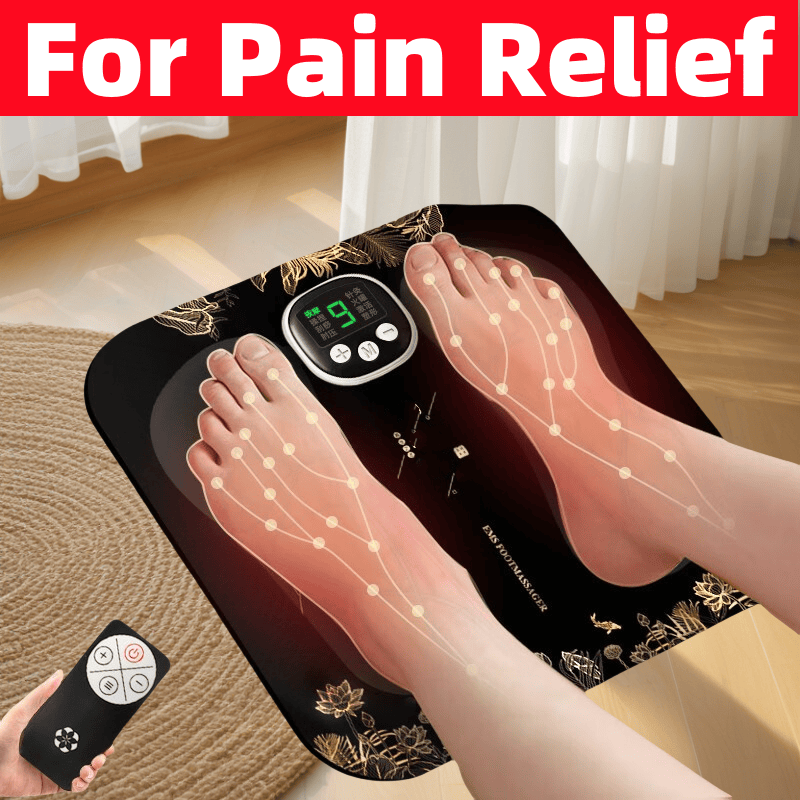
EMS Foot Massager Pad Price, Muscle Stimulator Mat
EMS Foot Massager Pad Limitations
Portable pads carry their own disadvantages:
Reduced intensity capabilities compared to dedicated units
Inconsistent electrode contact due to flexible design
Less durability with higher susceptibility to wear and damage
Limited features and program options
Positioning challenges during use requiring constant adjustment
Lower power output resulting in less effective stimulation
EMS Massage Mat Shortcomings
Full-body systems present unique challenges:
Highest cost among consumer EMS options
Suboptimal foot targeting as part of larger treatment area
Complex storage requirements due to large size
Excessive stimulation for users only needing foot treatment
Setup time required for each use
Cleaning difficulty for large surface areas
Financial Considerations and Cost Effectiveness
Initial Investment Concerns
Substantial purchase price:
Dedicated units: $200-$500 for quality devices
Massage mats: $300-$600 for full-body systems
Replacement costs for damaged components
Accessory expenses for gels, cleaners, or additional electrodes
Long-Term Value Questions
Ongoing financial considerations:
Electricity consumption for regular use
Replacement electrode costs as they wear out
Potential repair expenses outside warranty periods
Opportunity cost compared to professional treatments
Depreciation value with rapid technological advancements
Practical Usage Challenges
Time Commitment Requirements
Substantial time investment needed:
Daily session time of 15-30 minutes for effectiveness
Setup and cleanup time adding to overall commitment
Learning curve for optimal usage techniques
Consistency requirements for maintained benefits
Storage and Space Issues
Physical space considerations:
Dedicated storage space requirements
Visual clutter in living areas
Portability limitations for larger units
Disassembly needs for some models
Maintenance Demands
Ongoing care requirements:
Regular cleaning of electrodes and surfaces
Battery maintenance for cordless models
Wire inspection for wear and damage
Software updates for smart devices
Effectiveness Limitations and Reduced Benefits
Temporary Nature of Results
Short-term benefits limitation:
Immediate effects that diminish quickly after use
Cumulative benefits requiring consistent long-term use
No permanent solutions for underlying conditions
Symptomatic relief without addressing root causes
Variable Performance Issues
Inconsistent results across users:
Height dependence on individual physiology
Technique sensitivity affecting outcomes
Expectation-reality gap for some users
Placebo effect contribution to perceived benefits
Comparative Effectiveness Questions
Versus alternative treatments:
Less effective than professional massage for some conditions
Limited research on long-term benefits
Questionable value compared to traditional exercise
Unproven claims for certain health benefits
Safety Concerns and Health Considerations
Medical Contraindications
Significant usage restrictions:
Pacemaker users must avoid entirely
Pregnancy contraindications for safety
Epilepsy concerns with electrical stimulation
Circulatory condition complications
Potential Side Effects
Documentated adverse effects:
Skin irritation and electrode reactions
Muscle soreness from overstimulation
Nerve sensitivity changes with prolonged use
Headaches and dizziness in sensitive individuals
Usage Risks
Potential safety issues:
Improper intensity setting causing discomfort
Incorrect placement leading to ineffective treatment
Overuse injuries from excessive session frequency
Dependency development on device for relaxation
User Experience Limitations
Comfort and Sensation Issues
Physical discomfort concerns:
Unpleasant tingling sensation for some users
Initial adjustment period required for acceptance
Intensity limitations due to discomfort thresholds
Temperature changes during use causing discomfort
Convenience Factors
Practical usage challenges:
Scheduling requirements for regular use
Preparation time before sessions
Cleanup needs after use
Learning requirements for optimal results
Psychological Aspects
Mental and emotional considerations:
Frustration with slow results
Disappointment with unmet expectations
Anxiety about electrical stimulation
Dependence concerns on technology for relaxation
Technical and Quality Issues
Performance Limitations
Technical constraints:
Battery life issues with cordless models
Power output consistency problems
Program variability between sessions
Electrode degradation over time
Quality and Reliability Concerns
Manufacturing issues:
Build quality variations between brands
Durability questions with regular use
Warranty limitations and coverage exclusions
Customer support variability between manufacturers
Technological Obsolescence
Rapid advancement problems:
Quickly outdated features and technology
Software dependency issues
Compatibility problems with new devices
Repair limitations for discontinued models
Comparative Disadvantages Versus Alternatives
Versus Professional Treatment
Limitations compared to clinical care:
Lack of professional assessment and adjustment
Standardized programs versus personalized treatment
No hands-on evaluation of muscle response
Limited therapeutic expertise in device programming
Versus Traditional Exercise
Effectiveness questions:
Passive nature versus active movement benefits
Limited cardiovascular benefits compared to physical activity
No weight-bearing advantages for bone health
Reduced functional carryover to daily activities
Versus Other Home Devices
Competitive disadvantages:
Higher cost than many traditional massagers
Electrical dependency versus mechanical reliability
Learning curve compared to simpler devices
Maintenance requirements beyond basic care
Mitigation Strategies and Alternatives
Overcoming Limitations
Practical solutions for common issues:
Realistic expectations setting before purchase
Proper education on correct usage techniques
Progressive approach to intensity and frequency
Regular breaks to prevent adaptation
Alternative Approaches
Complementary or replacement options:
Traditional massage tools for mechanical stimulation
Stretching routines for flexibility improvement
Professional treatments for serious conditions
Lifestyle modifications for overall foot health
Smart Purchasing Decisions
Informed consumer choices:
Thorough research before purchase
Brand reputation consideration for reliability
Warranty understanding and coverage details
Return policy awareness for unsatisfactory products
Conclusion: Balanced Perspective on Limitations
While EMS foot massager devices offer genuine benefits for many users, understanding their disadvantages is crucial for making informed decisions. The limitations span across all formats, from dedicated EMS foot massager units to portable EMS foot massager pad options and comprehensive EMS massage mat systems.
The key disadvantages include substantial financial investment, practical usage challenges, effectiveness limitations, safety considerations, and various technical constraints. These drawbacks must be weighed against potential benefits when considering purchase and use.
However, many limitations can be mitigated through proper education, realistic expectations, and appropriate usage patterns. For some users, the disadvantages may outweigh the benefits, particularly for those with specific health concerns or limited budgets.
Ultimately, the value of EMS foot massagers depends on individual circumstances, needs, and expectations. By understanding both advantages and disadvantages, consumers can make choices that align with their personal health goals and lifestyle requirements, ensuring that if they choose to invest in these devices, they do so with full awareness of both potential benefits and limitations.
Related topics:
Beyond the Bonus: Cultivating Culture with Thoughtful Corporate Gifts for Employees
https://timebusinessnews.com/beyond-the-paycheck-unpacking-the-anatomy-of-a-truly-meaningful-employee-reward/
How to Personalize Your Tungsten Ring: Inlays, Finishes, and Designs