
What Are the Side Effects of Foot Massagers?

The growing popularity of home massage devices, particularly those utilizing Electrical Muscle Stimulation (EMS) technology, has brought increased attention to their potential side effects. While devices like the EMS foot massager, EMS foot massager pad, and comprehensive EMS massage mat offer convenient relaxation and therapeutic benefits, understanding their potential adverse effects is crucial for safe usage. This comprehensive examination explores the documented and theoretical side effects associated with these devices, providing evidence-based information to help users make informed decisions about their wellness practices.
Understanding EMS Technology and Mechanism of Action
To comprehend the potential side effects of foot massagers, one must first understand how EMS technology works. Unlike traditional mechanical massagers that use physical pressure and movement, EMS devices deliver low-frequency electrical impulses through electrodes placed on the skin. These impulses stimulate motor neurons, causing involuntary muscle contractions that mimic natural movement. This technology, while beneficial for many users, introduces unique considerations regarding side effects that differ from those associated with conventional massage devices.
Common Side Effects of EMS Foot Massagers
Most users experience minimal side effects when using EMS devices appropriately, but several common issues have been documented:
1. Skin Irritation and Electrode Reactions
The most frequently reported side effects involve skin reactions at the electrode contact points:
Redness and Mild Inflammation: Temporary redness resembling a mild sunburn often appears after use, typically resolving within 30-60 minutes.
Itching and Tingling Sensations: Some users report persistent tingling or itching sensations that may continue briefly after removing the device.
Contact Dermatitis: In rare cases, users may develop allergic reactions to electrode materials or conductive gels, resulting in rashes or blistering.
Dryness and Flaking: Repeated use can strip natural oils from the skin, leading to dryness and flaking, particularly for those with naturally dry skin.
2. Muscle soreness and Overuse Symptoms
Despite their therapeutic intent, EMS devices can sometimes cause muscle-related issues:
Delayed Onset Muscle Soreness (DOMS): Similar to exercise-induced soreness, some users experience muscle stiffness and discomfort 24-48 hours after use, particularly when starting with intensities that are too high.
Muscle Fatigue: Excessive session duration or frequency can lead to muscle fatigue rather than relaxation.
Involuntary Spasms: Some users report experiencing muscle twitches or spasms hours after device use.
3. Circulatory Effects
EMS technology actively affects circulation, which can produce both positive and negative effects:
Temporary Swelling: Paradoxically, some users experience mild swelling in the feet or ankles after use, despite the technology’s intended circulation-boosting effects.
Blood Pressure Fluctuations: Sensitive individuals may experience temporary changes in blood pressure, either increases due to stimulation or decreases due to relaxation responses.
Venous Discomfort: Those with venous insufficiency might experience increased discomfort or visible vein prominence.
Less Common But Potentially Serious Side Effects
While rare, several more serious side effects warrant attention and precaution:
1. Neurological Symptoms
EMS devices directly interact with the nervous system, potentially causing:
Nerve Sensitivity Changes: Some users report temporary alterations in nerve sensitivity, either increased sensitivity (hyperesthesia) or decreased sensitivity (hypoesthesia).
Referred Pain: Pain or unusual sensations may appear in areas distant from the stimulation site due to neurological connections.
Headaches and Dizziness: Particularly sensitive individuals may experience headaches or dizziness during or after sessions.
2. Cardiovascular Considerations
Although most modern devices are designed with safety features, cardiovascular effects remain a concern:
Heart Rhythm Disturbances: While extremely rare, there have been isolated reports of palpitations or rhythm irregularities in predisposed individuals.
Circulatory Overload: In theory, aggressive stimulation could potentially overwhelm compensatory mechanisms in individuals with compromised cardiovascular systems.
3. Tissue Damage Risks
Improper use can lead to tissue-level concerns:
Minor Burns: Although uncommon with modern devices, prolonged use at high intensities on sensitive skin could potentially cause mild thermal injuries.
Muscle Strain: Excessive stimulation intensity might cause microscopic muscle damage similar to overexertion during exercise.
Connective Tissue Stress: Repetitive intense contractions might stress tendons and ligaments, particularly around the ankle and foot arches.
Device-Specific Considerations
Different EMS device formats present unique side effect profiles:
EMS Foot Massager
Dedicated foot massagers typically offer:
More Targeted Stimulation: May reduce side effects in non-target areas but concentrate potential issues in the feet.
Better Safety Features: Often include more sophisticated controls and safety protocols.
Consistent Electrode Placement: Standardized positioning reduces variability but may not accommodate all foot shapes comfortably.
EMS Foot Massager Pad
These portable devices present distinct considerations:
Variable Electrode Contact: Inconsistent placement may cause uneven stimulation and potential side effects.
Fewer Safety Features: Basic models may lack intensity ramping or automatic shut-off features.
Portability Trade-offs: While convenient, frequent movement during use might cause electrode shifting and skin irritation.
EMS Massage Mat
Full-body mats introduce broader considerations:
Systemic Effects: Larger stimulation area may produce more widespread side effects.
Multiple Simultaneous Stimulation Points: Could potentially overwhelm the nervous system in sensitive individuals.
Positioning Challenges: Incorrect positioning might stimulate unintended muscle groups.
Individual Risk Factors and Contraindications
Certain individuals face increased risk of side effects:
Absolute Contraindications
EMS foot massager use is strongly discouraged for individuals with:
Pacemakers or Implanted Electronic Devices: Risk of electromagnetic interference.
Epilepsy or Seizure Disorders: Theoretical risk of seizure induction.
Pregnancy: Lack of safety data and theoretical risks to fetal development.
Deep Vein Thrombosis (DVT) or Blood Clots: Risk of dislodgement.
Active Cancer in Treatment Areas: Theoretical risk of stimulating cancer spread.
Relative Contraindications
Caution required for those with:
Diabetes with Neuropathy: Reduced sensation may prevent detection of overstimulation.
Peripheral Vascular Disease: Compromised circulation may respond unpredictably.
Skin Conditions: Eczema, psoriasis, or open wounds in treatment areas.
Sensory Disorders: Conditions affecting pain or sensation perception.
Minimizing and Managing Side Effects
Practical strategies can reduce side effect risk:
Pre-Use Precautions
Medical Consultation: Especially important for individuals with health conditions.
Skin Preparation: Clean, dry skin improves conductivity and reduces irritation.
Hydration: Proper hydration improves electrical conductivity and muscle response.
Gradual Introduction: Start with lowest intensity and shortest duration.
Usage Best Practices
Intensity Management: Stay within comfortable levels; sensation should never be painful.
Time Limitations: Adhere to manufacturer recommendations, typically 15-20 minutes maximum.
Regular Skin Checks: Periodically check skin condition during extended sessions.
Proper Positioning: Ensure consistent electrode contact without excessive pressure.
Post-Use Care
Skin Hydration: Apply fragrance-free moisturizer after use.
Observation Period: Remain aware of delayed reactions.
Usage Log: Track sessions and any side effects to identify patterns.
Adequate Recovery: Allow 24-48 hours between sessions, especially when beginning.
When to Discontinue Use and Seek Medical Attention
Recognizing concerning symptoms is crucial:
Immediate Discontinuation
Stop use and monitor if experiencing:
Persistent pain during or after use
Skin changes beyond mild redness
Muscle weakness or unusual fatigue
Numbness or tingling lasting more than a few hours
Medical Attention Required
Seek professional care for:
Skin blistering or burns
Severe muscle pain or swelling
Chest discomfort or palpitations
Neurological symptoms like dizziness or confusion
Symptoms that worsen or persist beyond 48 hours
Long-Term Considerations and Unknowns
While short-term side effects are reasonably well-documented, long-term effects remain less studied:
Potential Concerns
Nerve Adaptation: Possible long-term changes in nerve sensitivity with frequent use.
Muscle Adaptation: Potential alterations in natural muscle recruitment patterns.
Psychological Dependence: Rare reports of over-reliance on devices for relaxation.
Research Gaps
Long-Term Safety Studies: Limited data on effects of regular use over years.
Population-Specific Effects: Insufficient research on elderly, pediatric, or medically complex populations.
Device Interoperability: Unknown interactions with other electronic medical devices.
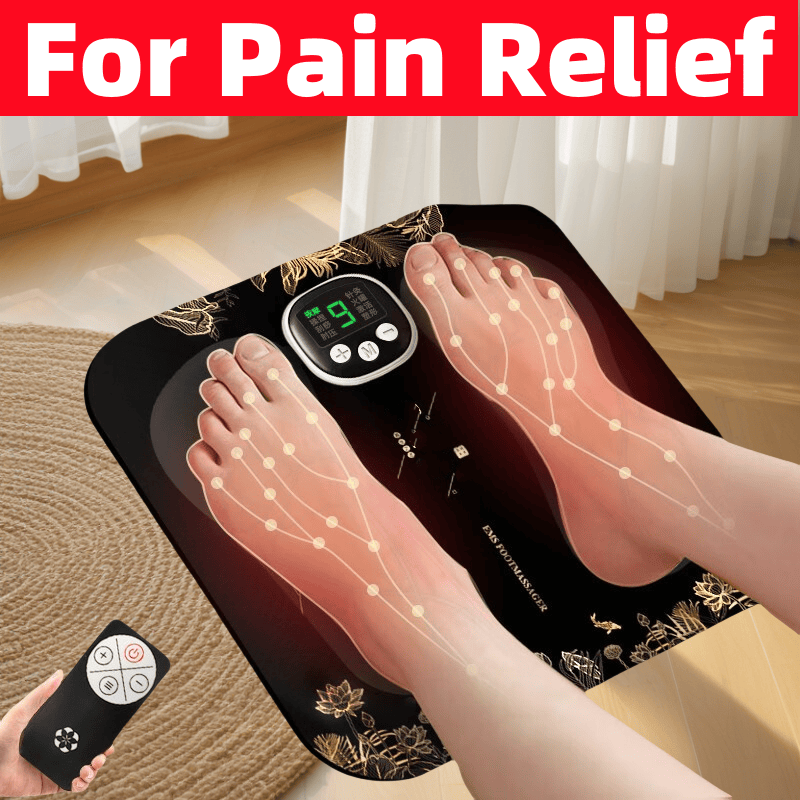
EMS Foot Massager Pad Price, Muscle Stimulator Mat
Conclusion: Balanced Perspective on Safety
EMS foot massagers, including dedicated devices, pads, and mats, offer valuable therapeutic benefits for many users but are not without potential side effects. Most adverse effects are mild, temporary, and manageable with proper usage practices. However, the technology presents unique considerations that differ from traditional massage, particularly regarding neurological and circulatory effects.
The key to safe usage lies in:
Education: Understanding how the technology works and its potential effects
Caution: Starting gradually and respecting intensity limits
Vigilance: Monitoring for adverse reactions and responding appropriately
Professional Guidance: Consulting healthcare providers when questions arise
While manufacturers continue to improve safety features and provide more detailed usage guidelines, individual responsibility remains essential. By recognizing both the benefits and potential side effects of EMS foot massagers, users can make informed decisions that maximize therapeutic value while minimizing risks. As research continues to evolve, our understanding of these devices’ safety profiles will undoubtedly become more refined, potentially leading to even safer and more effective technologies in the future.
Related topics:
The Heft and Feel: What to Expect from the Weight of a Tungsten Ring
The Scratch-Resistant Promise: How Hard Are Tungsten Rings Really?
How to Personalize Your Tungsten Ring: Inlays, Finishes, and Designs