
What Is EMS Foot Massager?

In an era where technology and wellness increasingly intersect, the EMS foot massager represents a fascinating innovation in personal care. This comprehensive guide explores what exactly an EMS foot massager is, how it works, and its place within the broader category of electrical muscle stimulation devices. We’ll examine the specific characteristics of dedicated EMS foot massager units, the versatile EMS foot massager pad, and the more comprehensive EMS massage mat to provide a complete understanding of this evolving technology and its applications in modern self-care routines.
Understanding the Technology: EMS Fundamentals
EMS stands for Electrical Muscle Stimulation, a technology that uses electrical impulses to elicit muscle contractions. Unlike traditional massagers that rely on mechanical pressure, vibration, or heat, EMS devices work by delivering controlled electrical signals through electrodes placed on the skin. These signals mimic the natural action potentials that your nervous system uses to initiate muscle movements, causing targeted muscles to contract and relax rhythmically.
The technology has its roots in medical rehabilitation and sports medicine, where it has been used for decades to prevent muscle atrophy in immobilized patients, aid recovery in athletes, and provide therapeutic benefits for various conditions. The adaptation of this technology for consumer use represents a significant advancement in making professional-level muscle therapy accessible for home use.
Key Components and How They Work
A typical EMS foot massager system consists of several essential components:
Control Unit
The “brain” of the device that:
Generates electrical impulses at specific frequencies
Allows users to adjust intensity levels
Offers various program options for different effects
Includes safety features and timers
Electrodes
Conductive surfaces that:
Deliver electrical impulses to the skin
Come in various materials (usually carbonized rubber or conductive fabric)
Require direct skin contact for optimal performance
May be integrated into pads or mats
Power Source
Either:
Rechargeable batteries for cordless operation
AC adapters for continuous use
USB power for some smaller devices
User Interface
Typically featuring:
Intensity controls (+/- buttons)
Program selection buttons
Display screen or LED indicators
Timer settings
Types of EMS Foot Massagers
The market offers several form factors, each with distinct characteristics:
Dedicated EMS Foot Massager
These are standalone devices specifically designed for foot treatment:
Design: Often shaped like footrests or pedals with molded contours
Features: Typically include multiple programs specifically for foot anatomy
Advantages: Optimized for foot treatment, usually more powerful
Considerations: Larger size, less portable, higher cost
EMS Foot Massager Pad
These are flexible pads that can be placed on various surfaces:
Design: Thin, flexible mats with electrode areas for foot placement
Features: Basic controls, often portable designs
Advantages: Highly portable, versatile placement options, affordable
Considerations: May have fewer features, less targeted stimulation
EMS Massage Mat
Comprehensive systems designed for full-body use that include foot treatment:
Design: Larger mats with multiple electrode pairs for different body areas
Features: Comprehensive programs for various muscle groups
Advantages: Versatile full-body use, often higher quality
Considerations: Higher cost, larger storage requirements
How EMS Differs from Other Massage Technologies
Understanding what makes EMS unique requires comparison with other common massage technologies:
Versus Mechanical Massagers
EMS: Uses electrical stimulation to cause muscle contractions
Mechanical: Uses physical pressure, rollers, or air compression
Key Difference: EMS stimulates muscles to work, while mechanical devices work on muscles
Versus TENS Units
EMS: Designed primarily for muscle stimulation and strengthening
TENS: Focused on pain relief through nerve stimulation
Key Difference: Different frequencies and purposes, though some devices combine both
Versus Vibration Therapy
EMS: Causes actual muscle contractions
Vibration: Uses rapid oscillation to stimulate tissues
Key Difference: EMS produces active muscle work, vibration provides passive stimulation
The Science Behind the Benefits
EMS technology produces several physiological effects that explain its therapeutic benefits:
Muscle Contraction Mechanism
The electrical impulses depolarize nerves, causing muscle fibers to contract. This process:
Increases blood circulation through muscle pumping action
Enhances oxygen delivery to tissues
Helps remove metabolic waste products
Reduces muscle stiffness and soreness
Neurological Effects
The stimulation affects the nervous system by:
Activating sensory nerves that can interfere with pain signals
Potentially stimulating endorphin release
Promoting relaxation through repetitive, rhythmic stimulation
Circulation Enhancement
The muscle pumping action:
Improves venous return from extremities
Reduces swelling and edema
Increases local blood flow to treated areas
Practical Applications and Uses
EMS foot massagers serve multiple purposes in daily life:
Recovery and Rehabilitation
Post-Exercise Recovery: Helps reduce muscle soreness after physical activity
Injury Rehabilitation: Supports recovery under professional guidance
Chronic Condition Management: Provides relief for conditions like plantar fasciitis
Relaxation and Stress Relief
Evening Relaxation: Helps unwind after long days
Stress Management: Promotes overall relaxation response
Sleep Improvement: Can enhance sleep quality when used before bed
Circulation Support
Desk Workers: Counters effects of prolonged sitting
Older Adults: Helps maintain circulation in lower extremities
Travelers: Reduces swelling during long flights or drives
Typical Features and Programs
Modern EMS devices offer various programs targeting different needs:
Common Program Types
Relaxation Mode: Gentle, wave-like patterns for calming effects
Recovery Mode: Focused on muscle recovery and soreness reduction
Activation Mode: More intense patterns for circulation boost
Acupressure Mode: Targets specific reflex points on the feet
Intensity Levels
Most devices offer multiple intensity settings:
Low: For beginners or sensitive users
Medium: For regular maintenance and relaxation
High: For experienced users seeking stronger effects
Timer Settings
Automatic shut-off features typically offer:
15-minute sessions for beginners
20-minute sessions for regular use
30-minute maximum sessions for experienced users
User Experience: What to Expect
Sensation Description
Users typically describe the sensation as:
Gentle tingling or buzzing
Rhythmic muscle tightening and releasing
Mild pulling or squeezing feeling
Warming sensation as circulation increases
Session Experience
A typical session involves:
Gradual intensity increase to comfortable level
Rhythmic patterns that change throughout session
Deep relaxation as muscles release tension
Residual warmth and lightness after session
Progress Over Time
With regular use, users often notice:
Increased tolerance to stimulation
More pronounced therapeutic effects
Better understanding of optimal settings
Incorporation into regular wellness routine
Safety Considerations and Precautions
While generally safe, EMS devices require certain precautions:
Medical Contraindications
Not suitable for individuals with:
Pacemakers or implanted electronic devices
Pregnancy
Epilepsy or seizure disorders
Deep vein thrombosis
Active cancer in treatment areas
Usage Guidelines
Important safety practices include:
Starting with lowest intensity settings
Limiting session times to recommended durations
Ensuring proper electrode contact
Discontinuing use if pain or discomfort occurs
Quality Considerations
Choose devices that:
Have appropriate safety certifications
Come from reputable manufacturers
Include clear usage instructions
Offer customer support and warranties
Choosing the Right Device
Factors to Consider
Intended Use: Foot-specific versus full-body needs
Portability Requirements: Home use versus travel needs
Budget Considerations: Price ranges from $50 to $500+
Feature Preferences: Program variety, intensity levels, additional functions
Quality Indicators
Look for:
FDA clearance or relevant medical certifications
Positive user reviews and ratings
Warranty and customer support options
Reputable brand history and reputation
Try Before You Buy
When possible:
Test devices in stores
Read detailed specifications
Compare multiple options
Consider return policies
Integration with Overall Wellness Practice
EMS foot massagers work best as part of a comprehensive approach:
Complementary Practices
Regular stretching and exercise
Proper hydration and nutrition
Adequate rest and recovery
Other wellness technologies
Professional Guidance
Consult healthcare providers for medical conditions
Seek physical therapy advice when needed
Combine with professional treatments as appropriate
Lifestyle Integration
Establish regular usage routine
Combine with other relaxation practices
Monitor results and adjust usage accordingly
Share experiences with healthcare providers
The Future of EMS Technology
Emerging Trends
Smartphone integration and app control
AI-powered personalized programs
Advanced biometric monitoring
Miniaturization and wearability
Research Directions
Ongoing studies are exploring:
Long-term effects of regular use
Applications for specific medical conditions
Optimal stimulation parameters
Combination with other therapeutic modalities
Market Evolution
The industry is moving toward:
More affordable consumer options
Enhanced safety features
Better user education and support
Integration with broader wellness ecosystems
Conclusion: The Value of EMS Foot Massagers
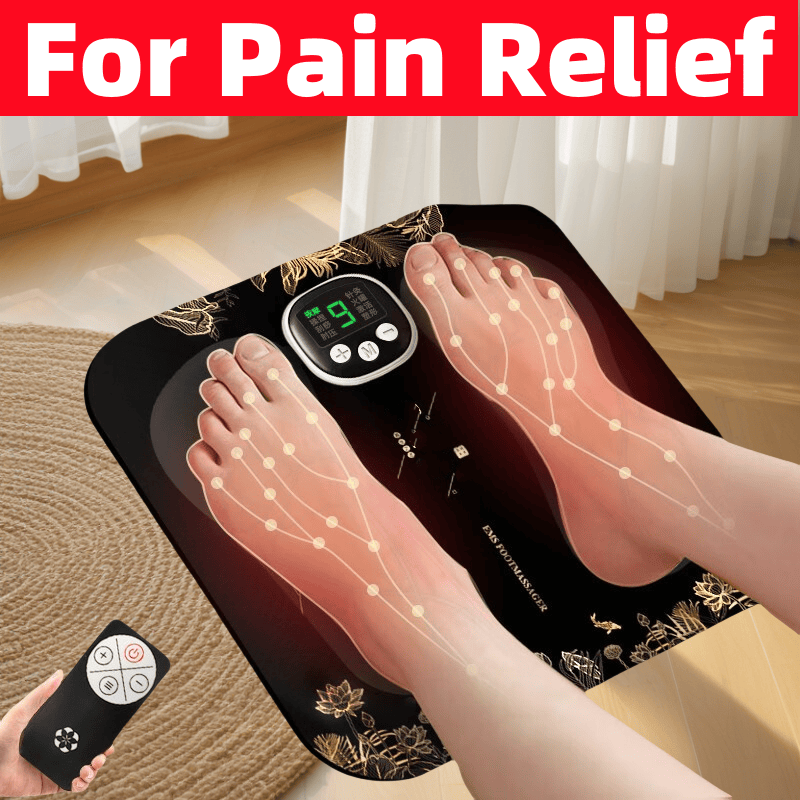
EMS Foot Massager Pad Price, Muscle Stimulator Mat
An EMS foot massager represents more than just another wellness gadget—it’s a sophisticated tool that brings professional-level muscle therapy into the home. Whether opting for a dedicated EMS foot massager, a portable EMS foot massager pad, or a comprehensive EMS massage mat, users gain access to technology that can support recovery, enhance relaxation, and improve overall foot health.
The true value of these devices lies in their ability to provide targeted, effective muscle stimulation that complements traditional self-care practices. While not a miracle solution for serious medical conditions, they offer genuine benefits for everyday wellness needs when used appropriately and consistently.
As technology continues to advance and research expands our understanding, EMS foot massagers will likely become even more effective and accessible. For now, they represent a valuable option for anyone seeking to enhance their personal wellness routine with evidence-based technology that truly understands the complex needs of our hard-working feet.
Related topics:
The Heft and Feel: What to Expect from the Weight of a Tungsten Ring
The Scratch-Resistant Promise: How Hard Are Tungsten Rings Really?
How to Personalize Your Tungsten Ring: Inlays, Finishes, and Designs