
What Massage is Best for Diabetes?

Living with diabetes requires a meticulous approach to health and wellness, where every choice, from diet to exercise, is made with careful consideration. When it comes to massage—a practice renowned for its benefits in reducing stress, improving circulation, and alleviating pain—the question isn’t just about what feels good, but what is safe and therapeutic. For individuals with diabetes, certain massages can be profoundly beneficial, while others, particularly those involving popular electronic devices like an EMS foot massager, EMS foot massager pad, or a full-body EMS massage mat, can pose significant risks. This article explores the best massage practices for diabetes, emphasizing safety, therapeutic benefits, and the critical importance of medical guidance.
Understanding the Diabetes Foot Complication Landscape
To identify the “best” massage, one must first understand the specific vulnerabilities associated with diabetes, primarily diabetic neuropathy and peripheral arterial disease (PAD).
Diabetic Neuropathy: High blood sugar levels can damage nerves over time, leading to a loss of sensation in the feet (peripheral neuropathy). This means a person may not feel pain, heat, or discomfort. A small abrasion, excessive pressure, or a burn can go completely unnoticed.
Peripheral Arterial Disease (PAD): Diabetes can lead to poor circulation and hardening of the arteries, reducing blood flow to the extremities. Reduced blood flow impairs the body’s ability to heal minor wounds, turning small cuts or blisters into serious, non-healing ulcers and infections.
These two factors create a high-risk environment where an injury can escalate rapidly, potentially leading to severe outcomes, including amputation. Therefore, the “best” massage for diabetes is one that maximizes therapeutic benefits while meticulously minimizing these risks.
Why EMS Technology is Not the Best Choice
It is crucial to address the role of Electrical Muscle Stimulation (EMS) devices upfront. Despite their popularity in wellness markets, an EMS foot massager, EMS foot massager pad, or full-body EMS massage mat is generally considered unsafe for individuals with diabetes.
Lack of Sensation Feedback: The core function of EMS is to elicit muscle contractions via electrical impulses. The user controls the intensity. For someone with neuropathy, the sensation of these impulses is dulled or absent. To feel the effect, a user might inadvertently set the intensity dangerously high, causing severe involuntary muscle contractions that could lead to strains, tears, or trauma to fragile tissues and joints.
Unpredictable Effects on Circulation: While EMS causes muscles to contract, theorized to act as a “pump” for blood, its effect on already compromised diabetic vasculature is not well-studied and is considered risky. The intense, repetitive contractions could potentially stress damaged blood vessels.
Risk of Micro-Trauma and Skin Breakdown: The electrical impulses and the pressure from sitting with feet on a pad can cause micro-damage to the skin. For skin that is often dry, thin, and vulnerable in diabetics, this can be the starting point of an ulceration, especially when combined with poor sensation that prevents the user from detecting early warning signs like redness or warmth.
For these reasons, most healthcare professionals strongly advise against the use of any EMS-based massagers for the feet and legs of diabetics without explicit, direct supervision and approval from a doctor.
The Best Massage Modalities for Diabetes
The safest and most beneficial massages for individuals with diabetes are those performed by knowledgeable hands, either self-administered or by a trained professional, who can constantly monitor and adjust pressure based on visual and tactile feedback.
1. Manual Lymphatic Drainage (MLD)
This is often considered one of the top choices for diabetic massage. MLD is a very gentle, rhythmic form of massage specifically designed to stimulate the lymphatic system and reduce edema (swelling).
Benefits: Improved circulation, reduction in mild swelling (a common issue in diabetes), and enhanced immune function. Its extremely light pressure poses almost no risk to skin integrity or fragile nerves.
How it’s done: A therapist uses light, circular movements to push lymph fluid toward lymph nodes. It should never be painful or leave red marks.
2. Gentle Swedish Massage
Swedish massage uses long, gliding strokes (effleurage), kneading, and gentle circular motions. The key here is the word gentle.
Benefits: Promotes relaxation, reduces stress (which can help with blood glucose control), and can improve overall circulation without aggressive pressure.
Safety First: A therapist must be informed of the client’s diabetes and must avoid deep pressure, especially on the legs and feet. The massage should focus on the back, arms, and neck unless the feet have been specifically cleared as healthy by a podiatrist.
3. Reflexology (Performed by a Specialist)
Traditional reflexology involves applying pressure to specific points on the feet that correspond to organs and systems in the body. For diabetics, this is a area of extreme caution.
Potential Benefits: Some studies suggest it can help improve neuropathy symptoms like tingling and pain and improve circulation.
Critical Caveat: This should only be performed by a reflexologist who has extensive experience working with diabetic clients and who has obtained prior permission from the client’s physician. The pressure must be very light, and the session must be avoided entirely if there are any open sores, wounds, or signs of infection.
The Golden Standard: Medical Pedicures and Diabetic Foot Care
Perhaps the “best” massage for a diabetic foot is one that is part of a professional medical pedicure performed by a podiatrist or a certified medical pedicurist.
What it involves: This is not a cosmetic procedure. It involves a thorough inspection of the feet, safe trimming of nails, careful buffing of calluses (never cutting), and a gentle, therapeutic foot and lower leg massage using hypoallergenic lotions.
Why it’s best: It combines essential foot maintenance with the therapeutic benefits of gentle touch in a completely sterile and controlled environment. The practitioner is trained to identify any pre-ulcerative signs and will stop immediately if anything appears amiss.
Self-Massage: A Safe and Daily Ritual
For daily care, a gentle self-massage is an excellent practice.
Technique: Use your own hands to apply a light, fragrance-free moisturizer to your feet. This allows you to control the pressure perfectly.
Process: Use gentle, upward strokes on the top and bottom of the foot. Avoid deep pressure and avoid the areas between toes to prevent moisture buildup that can lead to fungus.
Dual Benefit: This ritual not only keeps skin hydrated and prevents cracking but also serves as a daily tactile inspection, helping you to feel for any new bumps, dry patches, or changes in temperature.
Conclusion: The Best Massage is Informed and Gentle
The best massage for diabetes is not found in a high-tech device like an EMS massage mat or an EMS foot massager pad. In fact, these devices represent the opposite of what is needed. The true best massage is defined by its gentleness, its focus on safety, and its administration by informed, skilled hands.
It is a practice that prioritizes:
Knowledge: Informing any therapist about your condition.
Approval: Consulting with your podiatrist or endocrinologist before starting any new massage regimen.
Vigilance: Using massage as an opportunity for inspection, not just relaxation.
Gentleness: Choosing light pressure over deep tissue, and human touch over automated, high-intensity devices.
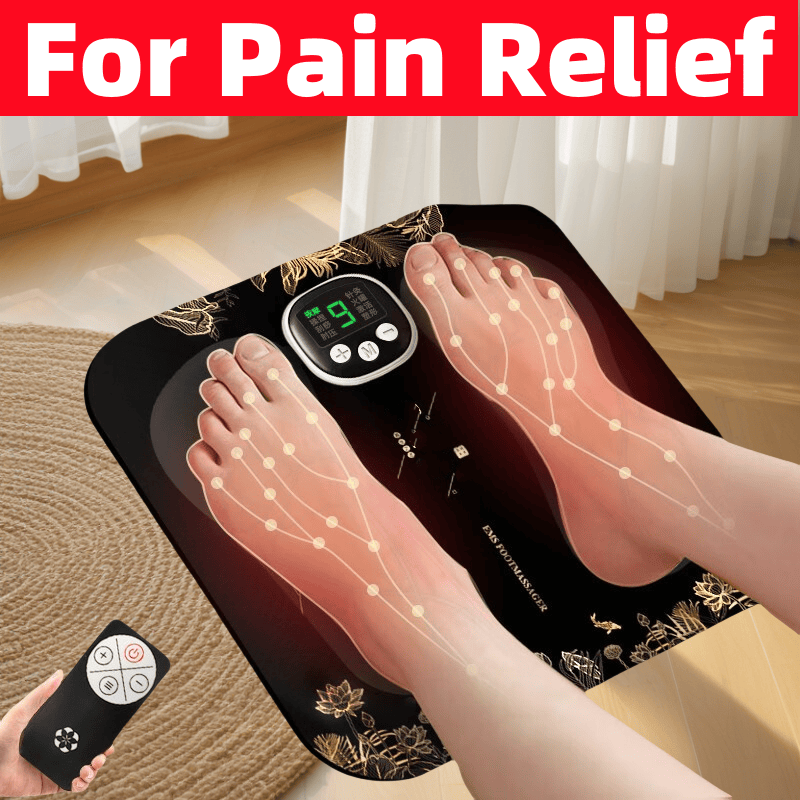
EMS Foot Massager Pad Price, Muscle Stimulator Mat
Ultimately, the most therapeutic massage for a person with diabetes is one that understands the complexities of the condition. It is a tool for wellness that respects the body’s vulnerabilities, enhancing circulation and reducing stress without ever compromising the integrity of the skin or the safety of the individual. By choosing safe, approved methods and avoiding risky technologies, individuals with diabetes can enjoy the profound benefits of therapeutic touch as a valuable part of their overall health management strategy.
Related topics:
Beyond the Bonus: Cultivating Culture with Thoughtful Corporate Gifts for Employees
https://timebusinessnews.com/beyond-the-paycheck-unpacking-the-anatomy-of-a-truly-meaningful-employee-reward/
How to Personalize Your Tungsten Ring: Inlays, Finishes, and Designs