
Which Are the Best Toe Separators?

The quest for happy, healthy, and pain-free feet has led many to discover the simple yet transformative power of toe separators. These unassuming devices, also commonly referred to as toe spacers, have evolved from basic pedicure accessories into sophisticated orthopedic tools. But with a dizzying array of options on the market—from soft silicone toe separators to medical-grade correct toes spacers—how do you determine which are truly the best toe separators for your specific needs? The answer isn’t one-size-fits-all. The “best” product is the one that effectively addresses your foot condition, is comfortable for extended wear, and is made from high-quality materials.
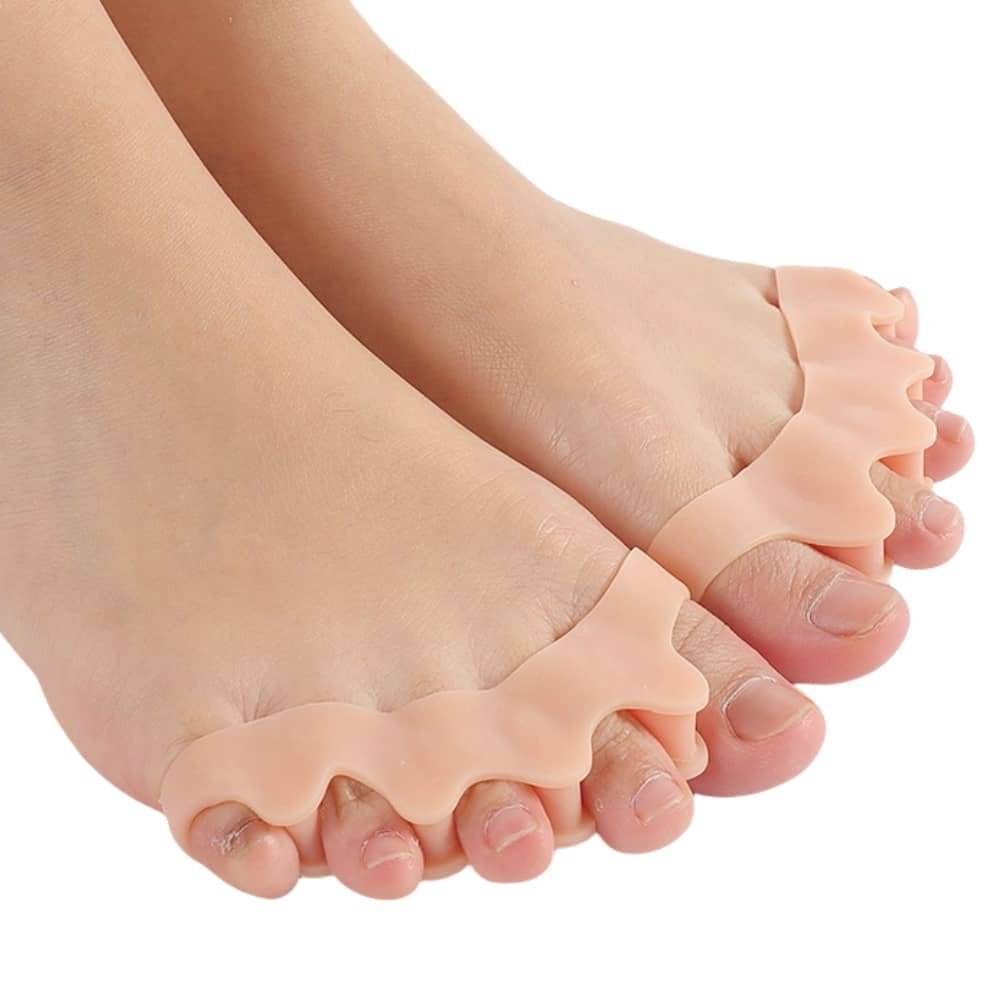
Correct Toes Spacers, Silicone Gel Toe Separators for Pedicure
This comprehensive guide will navigate the different types of toe separators, their intended uses, and key factors to consider, helping you make an informed decision for your foot health.
Understanding the Spectrum: From Pedicure to Orthopedic
Toe separators exist on a spectrum, primarily defined by their material, design, and intended purpose.
1. Soft, Flexible Spacers (Pedicure & Mild Comfort)
This category includes the most common gel toe separators and silicone toe separators. They are characterized by their soft, pliable, and often stretchy material.
Typical Uses: The classic toe separators for pedicure fall here, designed to prevent smudging during nail polish drying. They are also marketed for general comfort, slight alignment improvement, and preventing friction between toes. Many people use them for mild issues or after long days in shoes.
Pros: Inexpensive, widely available, comfortable for beginners, often sold in multi-packs. They are easy to clean and can be worn for short periods inside shoes (if the shoe has a wide enough toe box).
Cons: Their flexibility means they provide a gentle, often passive, stretch. They may not be strong enough to create significant, lasting change for pronounced deformities like severe bunions or rigid overlapping toes. The thin material can sometimes roll or fold, creating pressure points.
Examples: Generic silicone toe separators for women and men often found in pharmacies or online. Brands like ZenToes and Dr. Frederick’s offer popular versions.
2. Semi-Rigid & Anatomical Spacers (Therapeutic Use)
This category represents a significant step up in therapeutic function. These orthopedic toe separators are often made from a firmer medical-grade silicone or gel that holds its shape against the toe’s natural pressure.
Typical Uses: Targeted relief and correction for specific conditions like hammer toes, overlapping toes, and bunions. They are designed to be worn for several hours a day, either barefoot or in wide shoes, to actively realign the toes and stretch soft tissues.
Pros: Provide a more active and consistent stretch than soft spacers. Their anatomical design often features varying sizes between the toes to match the natural foot shape. They are durable and less likely to collapse.
Cons: Can be more expensive than basic spacers. The firmer feel requires a longer adaptation period. They are almost always too bulky to wear inside regular shoes.
Examples: Brands like YogaToes (which are designed for use during rest) and many of the higher-end silicone toe separators for bunions and silicone toe separators for hammer toes fall into this category.
3. Rigid, Adjustable Spacers (Maximum Correction)
At the top of the corrective spectrum are devices like Correct Toes. These are not simple plugs of silicone; they are a holistic toe-spacing system made from a durable, medical-grade silicone.
Typical Uses: Podiatrist-developed for treating a wide range of forefoot issues, including severe bunions, hammertoes, overlapping toes, and neuromas. They are designed to promote natural foot alignment and are often used in conjunction with minimalist footwear and gait retraining.
Pros: Allow for customizable spacing; some models can be trimmed to fit wider or narrower feet. They are the most effective non-surgical option for active realignment and restoring the foot’s natural triangular shape. They are incredibly durable.
Cons: The highest price point. They have a significant learning curve and must be introduced gradually. They absolutely require footwear with an exceptionally wide and flat toe box.
Examples: Correct Toes is the flagship product in this category.
Key Factors to Consider When Choosing
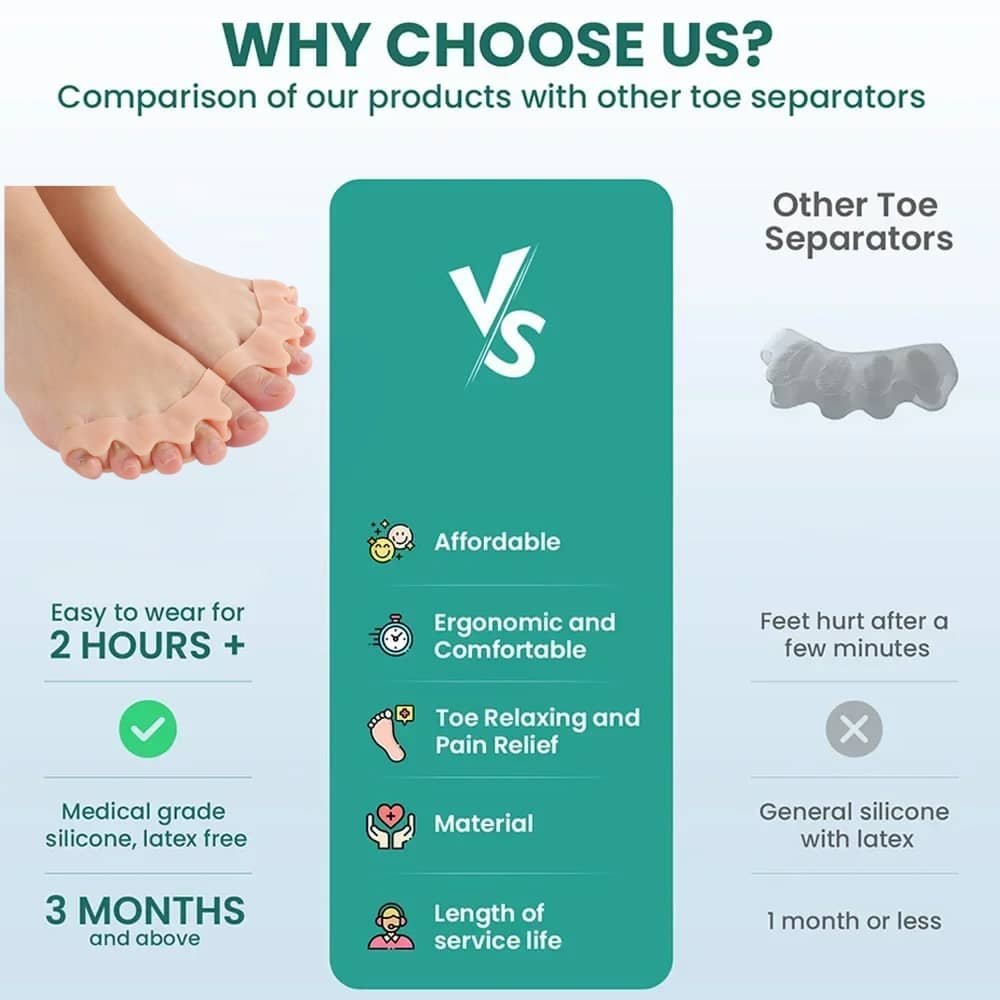
To find the best toe spacers for you, ask yourself these questions:
1. What is Your Primary Goal?
Pedicure Use: Any basic, soft toe gel spacer or silicone toe separators for pedicure will suffice. Look for comfort and a non-stick surface.
Mild Comfort & Prevention: Soft gel spacers for toes or standard silicone toe spacer models are a great starting point. They are perfect for post-run recovery or after wearing heels.
Targeting a Specific Condition: For toe spacers for overlapping toes, bunions, or hammertoes, you need a more therapeutic option. Firmer orthopedic toe separators or a system like Correct Toes will be necessary to provide enough resistance to change the toe position.
2. Material and Durability
Silicone: High-quality, medical-grade silicone is hypoallergenic, durable, easy to clean, and retains its shape. It’s the best material for therapeutic use. Be wary of cheap silicone that can tear easily.
Gel: Gel toe separators are often very soft and comfortable but can be less durable and may compress over time, losing their effectiveness.
3. Fit and Design
Anatomical Shape: The best therapeutic spacers have different-sized plugs to match the natural descending size of your toes. A one-size-fits-all tube of gel is less effective than a spacer with a larger gap for the big toe and smaller gaps for the pinky toes.
Adjustability: Some higher-end models allow you to adjust the tension or can be cut to customize the fit for your foot width.
Comfort: Look for seamless designs and soft, rounded edges to prevent chafing. This is especially important for sensitive skin or for use with silicone toe separators kids.
4. Intended Wear Time and Location
During Sleep/Rest: You can use bulkier, more corrective models like YogaToes or wear multiple silicone toe separators for men or women designed for serious alignment.
Inside Shoes: This is the biggest challenge. Only the very thinnest soft gel toe spacers might work, and even then, only if your shoes have a genuinely wide toe box. Traditional footwear will compress the spacer and render it useless or painful.
Top Recommendations by Category
Best for Serious Correction & Alignment: Correct Toes. They are the gold standard for a reason, offering unparalleled customization and effectiveness for those committed to the process.
Best Therapeutic Silicone Spacers: Brands like NatraCure and Vive offer excellent firmer silicone spacers that are a great middle-ground for treating bunions and overlapping toes without the full investment of Correct Toes.
Best Soft & Comfortable for Beginners: Popular multi-packs of soft silicone toe separators from Amazon or drugstore brands are perfect for dipping your toes into the world of toe spacing, especially for pedicures or mild relief.
Best for Kids: Look for very soft, small, and seamless silicone toe separators kids models designed for delicate skin. Always consult a pediatrician or podiatrist before using them on a child for a medical issue.
The Final Step: A Holistic Approach
It’s crucial to remember that toe separators are a tool, not a magic cure. The best toe spacers in the world will have limited effect if you continue to cram your feet into narrow, restrictive shoes. For lasting change, pair your chosen spacers with:
Footwear with a Wide Toe Box: Allow your toes to splay naturally throughout the day.
Strengthening Exercises: Practice picking up towels with your toes, spreading your toes apart, and walking barefoot on varied surfaces to rebuild the intrinsic foot muscles.
Professional Guidance: For persistent pain or severe deformities, always consult a podiatrist. They can provide a diagnosis and recommend the best course of treatment, which may include custom orthotics or specific physical therapy alongside toe spacers.
Ultimately, the journey to finding the best toe separators is personal. Start by clearly identifying your goal, then choose a well-made product from a reputable brand that matches your ambition, whether it’s a perfect pedicure or a fundamental step toward reclaiming your natural foot function.