
Who Should Not Use an Electric Foot Massager?

The growing popularity of electric foot massagers, particularly those utilizing Electrical Muscle Stimulation (EMS) technology, has brought convenient muscle relief into countless homes. However, these devices are not suitable for everyone. Understanding who should not use an electric foot massager is crucial for preventing potential health complications. This comprehensive guide examines the contraindications and precautions for various EMS devices, including dedicated EMS foot massager units, portable EMS foot massager pad options, and full-body EMS massage mat systems. By identifying individuals who should avoid or carefully approach these devices, we can promote safer usage practices and prevent adverse health events.
Absolute Contraindications: When to Avoid Completely
Certain health conditions represent absolute contraindications for EMS foot massager use. Individuals with these conditions should avoid these devices entirely unless explicitly approved by their healthcare provider.
Cardiac Conditions and Implanted Devices
Pacemaker and ICD Users
The electrical impulses from EMS devices can interfere with the normal functioning of implanted cardiac devices. This interference could potentially:
Disrupt pacing signals leading to arrhythmias
Cause inappropriate shock delivery from implantable cardioverter-defibrillators (ICDs)
Interfere with device monitoring and programming
Individuals with Heart Disease
Those with diagnosed heart conditions should avoid EMS foot massagers due to:
Risk of arrhythmia induction
Potential blood pressure fluctuations
Increased cardiac workload during stimulation
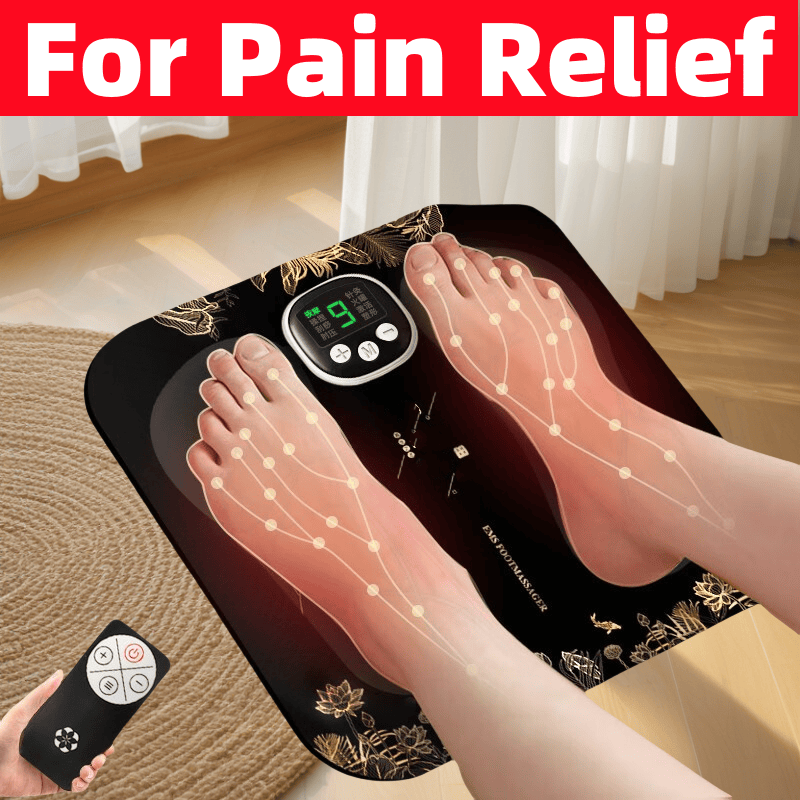
EMS Foot Massager Pad Price, Muscle Stimulator Mat
Circulatory Disorders
Deep Vein Thrombosis (DVT) and Thrombophlebitis
The muscle contractions induced by EMS devices could potentially:
Dislodge existing blood clots
Promote thrombus formation in susceptible individuals
Exacerbate inflammatory conditions in veins
Peripheral Arterial Disease
Advanced arterial insufficiency presents risks because:
Altered circulation may respond unpredictably to stimulation
Ischemic tissues may be more susceptible to damage
Pain perception might be impaired, leading to overuse
Neurological Conditions
Epilepsy and Seizure Disorders
The electrical stimulation could potentially:
Lower seizure threshold in sensitive individuals
Trigger seizure activity through neuronal stimulation
Interfere with seizure medication effectiveness
Peripheral Neuropathy
While sometimes recommended for neuropathy, EMS may be risky due to:
Impaired sensation leading to potential overstimulation
Difficulty recognizing tissue damage or excessive intensity
Variable nerve responses in damaged neural pathways
Pregnancy
All Trimesters
Pregnant individuals should avoid EMS devices because:
Effects on fetal development are unknown
Uterine stimulation risk exists through neurological connections
Hormonal changes affect skin conductivity and sensitivity
Relative Contraindications: Proceed with Extreme Caution
Some conditions require careful medical consultation and supervision before considering EMS foot massager use.
Dermatological Conditions
Open Wounds and Skin Infections
Using EMS over compromised skin could:
Introduce or spread infection
Delay wound healing
Cause significant pain and discomfort
Eczema and Psoriasis
Active flare-ups present risks because:
Electrodes may exacerbate skin irritation
Altered skin barrier affects electrical conductivity
Increased risk of allergic reactions to materials
Metabolic Disorders
Diabetes with Complications
Diabetic individuals must exercise caution due to:
Potential for undetected foot injuries
Altered pain perception from neuropathy
Impaired healing capacity
Variable circulatory responses
Musculoskeletal Issues
Recent Fractures or Surgery
Healing tissues require special consideration:
Stimulation might disrupt healing processes
Swelling and inflammation could worsen
Implanted hardware might conduct electricity unpredictably
Sensory Disorders
Reduced Sensation
Individuals with impaired sensation risk:
Inability to detect excessive intensity
Unrecognized skin damage from electrodes
Delayed recognition of adverse reactions
Device-Specific Considerations
EMS Foot Massager
Dedicated units typically provide:
Higher intensity capabilities that may be riskier for contraindicated individuals
Focused stimulation that concentrates effects on vulnerable feet
Better safety features but still potentially problematic for those with absolute contraindications
EMS Foot Massager Pad
Portable pads present unique concerns:
Variable quality across products increases risk
Less consistent electrode contact may cause erratic stimulation
Fewer safety features in budget models
EMS Massage Mat
Full-body systems introduce broader considerations:
Larger stimulation area affects more of the body
Multiple simultaneous stimulation points compound potential issues
Positioning challenges might accidentally stimulate contraindicated areas
Medication Interactions and Considerations
Certain medications may increase risks associated with EMS device usage:
Blood Thinners
Warfarin, DOACs, Antiplatelets
These medications increase:
Bruising risk at electrode sites
Potential for minor bleeding
Hematoma formation possibility
Blood Pressure Medications
Antihypertensives, Beta-blockers
May cause:
Enhanced hypotensive effects
Unpredictable circulatory responses
Dizziness or lightheadedness during use
Pain Medications
Opioids, NSAIDs, Gabapentinoids
Can lead to:
Reduced sensation and overstimulation risk
Impaired ability to recognize discomfort
Masked tissue damage
Psychiatric Medications
Antidepressants, Antipsychotics
Some medications may:
Affect seizure threshold
Alter pain perception
Interact with electrical stimulation
Age-Related Considerations
Pediatric Population
Children Under 12
Generally should avoid due to:
Developing nervous system sensitivity
Smaller body mass and different conductivity
Inability to reliably communicate sensations
Lack of safety research in this population
Adolescents
Ages 12-18
Require:
Adult supervision
Medical consultation
Conservative settings
Limited session durations
Older Adults
Age 65+
Need careful consideration due to:
Increased likelihood of contraindicated conditions
Thinner skin more susceptible to irritation
Potential medication interactions
Possible cognitive or sensory impairments
Temporary Conditions Requiring Avoidance
Acute Illness
Fever and Infection
Should prompt temporary discontinuation because:
Altered metabolic state may affect responses
Increased circulatory demands during illness
Potential for worsened symptoms
Recent Medical Procedures
Surgery, Angiography, Biopsies
Wait until:
Healing is complete
Physician clearance obtained
Any implanted materials are stable
Injury Recovery
Acute Sprains, Strains, Fractures
Avoid until:
Initial inflammatory phase resolves
Medical approval for rehabilitation use
Pain-free range of motion returns
Warning Signs and When to Stop Immediately
During Use
Discontinue immediately if experiencing:
Chest pain or palpitations
Severe pain or discomfort
Muscle twitching that continues after stopping
Skin burning sensation
Dizziness or lightheadedness
After Use
Seek medical advice if noticing:
Persistent skin changes beyond mild redness
Numbness or tingling lasting more than an hour
Muscle weakness or unusual fatigue
Headaches or nausea following use
Long-Term Concerns
Consult a healthcare provider if experiencing:
Decreased effectiveness requiring constant intensity increases
Dependency on device for relaxation or sleep
Interference with natural recovery processes
Anxiety about not using the device
Special Population Considerations
Cancer Patients
Active Treatment
Generally contraindicated due to:
Unknown effects on cancer cells
Compromised skin from radiation
Increased infection risk during chemotherapy
General weakness and malaise
Post-Treatment
Require:
Oncologist approval
Careful monitoring
Conservative settings
Attention to lymph node areas
Autoimmune Conditions
Multiple Sclerosis, Lupus, RA
May experience:
Unpredictable neurological responses
Increased fatigue after use
Flare-up triggering potential
Medication interactions
Safer Alternatives for Contraindicated Individuals
Mechanical Options
Manual Massage Tools
Provide benefits without electrical stimulation:
Foam rollers
Manual massage balls
Wooden massagers
Textured mats
Hydrotherapy
Water-Based Treatments
Offer similar benefits more safely:
Warm water soaks
Contrast baths
Water massage units
Foot spas without electrical components
Professional Therapies
Guided Treatments
Under professional supervision:
Physical therapy
Occupational therapy
Certified massage therapy
Acupuncture
Consultation and Medical Approval Process
When to Consult a Healthcare Provider
Seek medical advice before use if you have:
Any chronic health conditions
Implanted medical devices
Persistent unexplained symptoms
Concerns about medication interactions
What to Discuss with Your Doctor
Important conversation points:
Specific device type and capabilities
Your health conditions and medications
Intended usage frequency and duration
Alternative options if contraindicated
Documentation and Monitoring
Keep records of:
Medical clearance documentation
Usage patterns and responses
Any adverse reactions
Effectiveness for your condition
Conclusion: Prioritizing Safety Over Convenience
Understanding who should not use an electric foot massager is essential for preventing harm and promoting responsible usage. While EMS devices like EMS foot massager units, EMS foot massager pad accessories, and EMS massage mat systems offer significant benefits for many users, they present real risks for individuals with certain health conditions.
The absolute contraindications—particularly cardiac devices, circulatory disorders, neurological conditions, and pregnancy—require complete avoidance without explicit medical approval. Relative contraindications demand careful consideration and professional guidance before use. Even apparently healthy individuals should approach these devices with caution, starting slowly and monitoring responses closely.
The convenience of at-home EMS technology must never override safety considerations. When in doubt, consultation with healthcare providers and choosing alternative therapies represent the wisest course of action. By understanding and respecting these contraindications, users can ensure that their pursuit of relief and relaxation doesn’t come at the cost of their health and safety.
Remember that no device is worth risking serious health complications. The best approach is always an informed, cautious one that prioritizes medical guidance over marketing claims and recognizes that these powerful tools require responsible usage to provide their benefits safely.
Related topics:
Beyond the Bonus: Cultivating Culture with Thoughtful Corporate Gifts for Employees
https://timebusinessnews.com/beyond-the-paycheck-unpacking-the-anatomy-of-a-truly-meaningful-employee-reward/
How to Personalize Your Tungsten Ring: Inlays, Finishes, and Designs