
Why Can’t Diabetics Use Foot Massagers?

For many, the thought of sinking into a comfortable chair after a long day and turning on a foot massager is the pinnacle of relaxation and self-care. The gentle kneading, rolling, or warming sensations can melt away stress and soothe aching muscles. However, for the millions of individuals living with diabetes, this common luxury is often accompanied by a stark warning label and strong medical advice against its use. This prohibition isn’t about denying comfort; it’s a critical safeguard against a cascade of potential complications that could lead to severe outcomes, including amputation. Understanding the “why” requires a deep dive into the complex relationship between diabetes, nerve damage, circulation, and the specific technologies involved, including the increasingly popular EMS foot massager pad, EMS foot massager, and broader EMS massage mat.
The Dual Threat: Neuropathy and Peripheral Artery Disease
To comprehend the risks, we must first understand the two primary ways diabetes affects the feet: diabetic neuropathy and peripheral artery disease (PAD).
Diabetic Neuropathy: Consistently high blood sugar levels over time can cause significant damage to the body’s nervous system, particularly the long, delicate nerves that run to the extremities—the feet and hands. This damage, known as peripheral neuropathy, manifests as a loss of sensation. A person might lose the ability to feel pain, heat, or cold. A pebble in a shoe, a tight seam on a sock, or a small blister can go completely unnoticed. This sensory deficit is the first and most critical reason foot massagers are dangerous. The device might be applying excessive pressure, causing friction, or generating too much heat, but the user, deprived of the crucial pain feedback mechanism, would feel nothing wrong. They might continue the session, unknowingly causing bruises, skin breakdown, burns, or deeper tissue damage.
Peripheral Artery Disease (PAD): Diabetes also damages blood vessels, leading to poor circulation and reduced blood flow to the feet. Blood is essential for delivering oxygen and nutrients and for healing. Even a minor injury—a small cut, a blister from a massage node, or a bruise from intense pressure—can struggle to heal in an environment with compromised blood flow. What would be a minor issue for a healthy individual can rapidly escalate into a non-healing ulcer for a person with diabetes. These ulcers are prone to infection, and a severe infection in a foot with poor circulation can become gangrenous, creating a life-threatening situation that may necessitate amputation.
The Specific Risks of Massage Technologies
While all mechanical massagers pose a threat, different types present unique dangers. The rise of electrical muscle stimulation (EMS) technology in consumer wellness products has added a new layer of complexity to this issue.
1. Mechanical Massagers (Kneading, Rolling, Shiatsu):
These devices use physical components to mimic a human massage. The risks are primarily related to force and heat.
Excessive Pressure: They can apply intense, localized pressure on bones, joints, and soft tissues. For a foot with undetected bone deformities (like Charcot foot, a complication of neuropathy) or thin, vulnerable skin, this pressure can cause fractures, dislocations, or skin tears.
Friction and Shear: The rolling and kneading motions create friction. On numb, often dry skin (another common issue in diabetes), this can quickly lead to blisters and abrasions.
Heat Settings: Many massagers include heating elements for added relaxation. For a foot with reduced sensation, this heat can easily cause first or second-degree burns before the user is even aware the temperature is too high.
2. EMS Technology: A Hidden Electrical Hazard
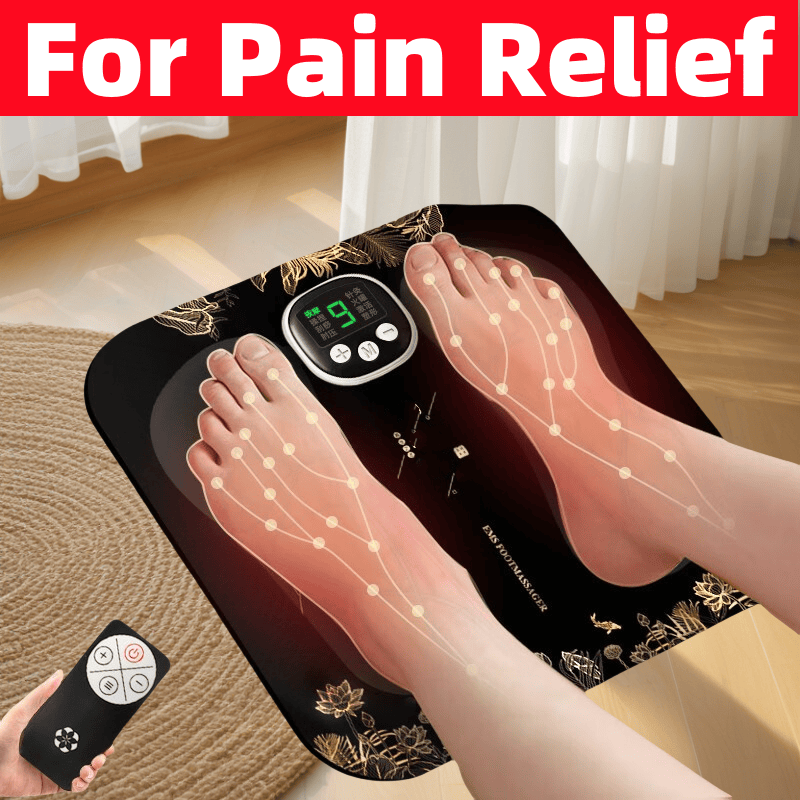
EMS Foot Massager Pad Price, Muscle Stimulator Mat
An EMS foot massager pad, EMS foot massager, or a full-body EMS massage mat operates on a fundamentally different principle. Instead of mechanical action, it uses low-frequency electrical impulses to stimulate motor neurons, causing muscles to contract and relax involuntarily. While marketed for muscle toning, pain relief, and relaxation, this technology introduces specific risks for diabetics that go beyond blunt force trauma.
Unperceived Injury from Intensity: The user controls the intensity of the electrical impulses. With neuropathy, the sensation of these impulses is altered or absent. A diabetic user might turn the intensity to a very high level to “feel something,” unknowingly causing severe, involuntary muscle contractions that could strain or tear muscles, tendons, or ligaments. They are essentially administering a deep, powerful workout to a foot without any of the natural sensory safeguards.
Micro-Currents and Tissue Health: The effect of electrical currents on diabetic tissue, which is often ischemic (oxygen-deprived) and fragile, is not fully understood. There is a theoretical risk that these currents could cause micro-damage at a cellular level or disrupt already compromised cellular function.
Circulatory Concerns: While some proponents suggest EMS can improve circulation through muscle pumping action, this is highly dangerous to assume for a diabetic foot. The forceful, repetitive contractions could potentially dislodge a plaque in a narrowed blood vessel or cause stress to delicate, damaged capillaries.
Interaction with Other Conditions: Many people with diabetes have other co-morbidities like uncontrolled hypertension or heart conditions. The systemic stress of involuntary muscle contractions and the autonomic nervous system’s response to electrical stimulation could pose unforeseen cardiovascular risks.
The Grey Area: Proceed with Extreme Caution and Medical Advice
The blanket statement is “diabetics should not use foot massagers.” However, medical professionals sometimes make exceptions for individuals with well-controlled diabetes and no evidence of neuropathy or PAD. In these rare cases, a very gentle, manual foot massage performed by a knowledgeable therapist may be permitted. But what about an EMS foot massager?
The consensus among podiatrists and endocrinologists is far stricter for EMS devices. The unpredictable nature of electrical stimulation and the complete lack of sensory feedback make it an unacceptable risk. It is nearly impossible for a user to gauge what is happening in their tissues when using an EMS foot massager pad. Therefore, the use of any electrical stimulation device should be considered off-limits without explicit, written approval from a healthcare provider who has recently assessed the patient’s vascular and neurological foot health.
Safer Alternatives for Foot Care and Comfort
The need for foot care and comfort doesn’t disappear with a diabetes diagnosis. It simply becomes more deliberate and medically guided. Safe alternatives include:
Manual Inspection: The single most important daily ritual. Visually inspecting the tops, sides, soles, and between the toes for any signs of redness, cuts, blisters, or changes in appearance.
Gentle, Manual Manipulation: Using your own hands to gently rub your feet with a moisturizer (avoiding between the toes to prevent fungal growth) allows you to control pressure perfectly and combines care with inspection.
Water Massage with Precautions: Soaking feet in lukewarm (never hot) water can be soothing. Always check the temperature with a thermometer or your elbow, not your numb foot. Dry thoroughly and gently afterward.
Approved Tools: A healthcare provider may recommend a simple, soft foam roller or a smooth, cool glass bottle to gently roll under the foot with light, controlled pressure.
Professional Care: Regular appointments with a podiatrist are essential. They can provide safe, therapeutic foot care and address any concerns before they become serious problems.
Conclusion: A Risk Not Worth Taking
The warning against diabetics using foot massagers is not a mere suggestion; it is a vital piece of preventive medicine born from a profound understanding of the disease’s devastating complications. The allure of an EMS massage mat or the deep kneading of a mechanical massager pales in comparison to the real and present danger of causing an injury that could alter one’s life forever.
Whether it’s a basic vibrating unit, a sophisticated Shiatsu machine, or an advanced EMS foot massager pad, the core principle remains the same: these devices disconnect the action from the sensation. For a person with diabetes, that disconnect is already happening internally due to neuropathy. Adding an external device that further masks or creates damage is a gamble with the highest possible stakes. The path to foot health in diabetes is paved with vigilance, gentle care, and professional guidance—not with automated or electrical shortcuts. The freedom to walk independently is a gift that must be protected by saying “no” to the seemingly innocent foot massager.
Related topics:
Beyond the Bonus: Cultivating Culture with Thoughtful Corporate Gifts for Employees
https://timebusinessnews.com/beyond-the-paycheck-unpacking-the-anatomy-of-a-truly-meaningful-employee-reward/
How to Personalize Your Tungsten Ring: Inlays, Finishes, and Designs